


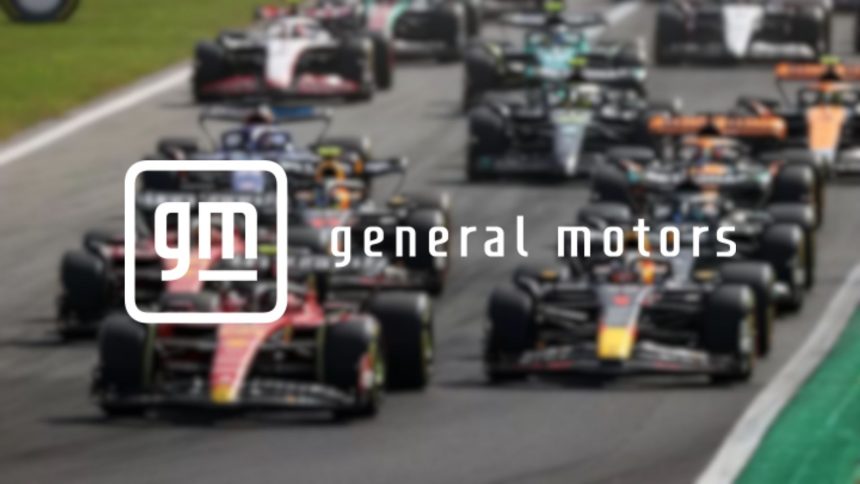
In a bold move that signals a new era in motorsport, General Motors has officially announced its entry into Formula 1, set to begin in 2026. As the world of racing evolves amidst increasing technological advancements and sustainability demands, the American automotive giant is poised to blend its rich heritage with cutting-edge innovation on the grandest stage of motorsport. This partnership not only marks GM’s return to the racetrack but also highlights the growing convergence of traditional automotive powerhouses with the high-octane world of F1.
With a commitment to redefining performance and an eye toward the future, General Motors is ready to rev up its engines and compete at the highest level. In this article, we delve into the implications of this landmark agreement and what it means for both the automotive industry and the thrilling realm of Formula 1 racing.
General Motors Embraces the F1 Challenge with a Bold Strategic Move
In an audacious power move, General Motors has announced its intention to enter the Formula One racing arena in 2026. This heralds a significant shift in the American automaker’s strategy and showcases their readiness to take acclaimed competitors like Mercedes-Benz and Ferrari head-on. With their state-of-the-art engineering and an impeccable track record in the automobile industry, this leap into motorsport could potentially alter the dynamics of F1 racing.
The intricacies of this strategic entry into F1 are not just limited to the race tracks. General Motors has some revolutionary plans up their sleeves:
- Focusing on cutting-edge technology with hybrid power units, mirroring F1’s transition towards sustainability.
- Establishing a dedicated F1 unit to streamline efforts and ensure impeccable execution of their racing strategy.
- A potential collaboration with a leading racing team for achieving benchmark performances.
The automotive giant is also said to be investing a significant sum for its F1 debut. However, General Motors has not yet divulged specific details on this aspect.
| Expected Debut | 2026 |
| Focus Areas | Hybrid Technology, Unit Development, Team Collaborations |
While skeptics view this as a risky gamble, there is an equal measure of enthusiasm and anticipation from industry insiders and racing enthusiasts alike. Only time will testify whether General Motors’ entry will revolutionize the F1 racing domain or end up as a mere ripple in this deep ocean of motorsport competition.
Unpacking the Partnership: Key Collaborations and Technological Innovations Ahead
In the wake of General Motors confirming its future involvement in Formula 1, the revving engines are a symbol, not just of a legendary carmaker entering the esteemed race, but also of a vast network of collaborations and technological innovation. As GM gears up to join F1 in 2026, the profound partnerships and the advanced technology that will propel this venture are worth digging into.
Key Collaborations: As part of their F1 entry, GM has brokered substantial partnerships with several leading names in the racing industry. Primarily, an alliance with Hendrick Motorsports stands out as a crucial move. Hendrick Motorsports is a renowned titan in NASCAR racing, promising to bring a wealth of knowledge and experience to the partnership. Additionally, a mounting collaboration with tech giant Microsoft is under discussion. This partnership potentially aims to develop cutting-edge, data-driven racing tactics, taking advantage of the tech leader’s expertise in AI and machine learning.
| Partnership | Contributions |
|---|---|
| Hendrick Motorsports | Racing Knowledge & Experience |
| Microsoft | Data-driven Strategies, AI, Machine Learning |
Technological Innovations: GM’s foray into F1 is not just about partnerships, but also groundbreaking technological developments. Working closely with their partners, GM is pushing the limits of automotive engineering. Key innovations include a climate-friendly powertrain, a lightweight yet resilient car body, and telemetry-based predictive analytics for race tactics.
- Climate-Friendly Powertrain: A high-performance, yet green powertrain is under development.
- Lightweight Body: An aerodynamically efficient, lightweight body which withstands high speeds and collisions is also in the works.
- Telemetry-based Strategies: With the help of big data analysis and AI, GM aims to devise smarter, more effective race tactics.
This exciting venture into F1 represents a meeting of worlds – the prestige and speed of F1 racing, the robustness and reliability of GM’s automotive expertise, and the futuristic possibilities of advanced tech collaborations. The road to 2026 presents a thrilling ride fueled by teamwork, innovation, and a passion for speed.
Impact on the Automotive Landscape: What GMs F1 Entry Means for Competitors
The entry of General Motors (GM) into the Formula 1 racing landscape marks a significant moment for the entire motor industry. Penetrating the F1 space, a domain long dominated by powerhouses such as Mercedes, Ferrari and Red Bull, GM’s intentions go beyond mere participation. In line with their strategic electrification plans, GM aims to infuse F1 racing with their next-gen e-mobility technology, challenging existing trends and driving innovation in the competitive motorsport world.
Known for their pioneering innovations in electric vehicles, GM’s expertise may unsettle traditional competitors. With modern Formula 1 becoming more reliant on hybrid technology and duly moving towards a more sustainable future, GM’s presence promises a surge in competition for frontrunners.
- Mercedes: With their dominant hybrid power units, Mercedes could be hit hard by GM’s advanced electrical technology.
- Ferrari: The Italian marquee, striving to reclaim past glory, faces a daunting challenge with the entry of another industry titan.
- Red Bull: Accustomed to contending with renowned automakers, the addition of GM to the mix may test their resilience even more.
| Competitor | Implications |
|---|---|
| Mercedes | Tightening competition in hybrid technology |
| Ferrari | Increasing pressure for performance innovation |
| Red Bull | Elevated competition levels with another industry giant |
Entering F1 racing is a bold move from GM and confirms their commitment towards sustainable mobility. While it’s expected to put pressure on stalwarts, it is sure to make F1 an even more exciting playground for technological innovations and major advancements. In essence, GM’s entry isn’t only a game-changer for F1 but for the entire automotive industry.
Future Prospects: Recommendations for Maximizing Success in Formula 1
As General Motors rev up their engines to join the ultra-competitive and fast-paced terrain of Formula 1 in 2026, certain strategic maneuvers will be pivotal for their success. The high-speed gamble on the F1 circuit demands not only high-performance vehicles, but also a comprehensive grasp of the discipline, industry trends, cutting-edge technology, and an optimal team composition.
The first area of focus to maximize success should be development and innovation. To stay relevant and competitive in the dynamic world of F1, GM must invest heavily in research and development, exploring new technologies and design concepts. Embracing sustainability with the development of eco-friendly car components and fuel could also give them an edge.
- Team Composition: Building a winning team will be crucial. This includes bot only the drivers, but also the strategists, engineers, mechanics, and support teams that work behind the scenes to ensure everything runs smoothly.
- Sponsorship: Securing solid sponsorships can provide a significant financial boost and open up more opportunities for technological enhancements.
- Fan Engagement: Building strong rapport with fans and engaging in community development can boost GM’s popularity, thus attracting additional sponsorships.
| Key Approach | Expected Benefit |
|---|---|
| Development & Innovation | Fuel technical advancements and stay competitive |
| Team Composition | Improve overall performance on and off the race track |
| Sponsorship | Boost financial capability for technical enhancements |
| Fan Engagement | Increase popularity and attract more sponsorships |
By focusing on these key areas, GM can maximize their chances of a successful entry into the adrenaline-fueled world of Formula 1, making their mark in an established, globally watched sport.
The Way Forward
As the engines rev up and the countdown to 2026 begins, General Motors’ entry into Formula 1 stands as a striking reminder of the ever-evolving landscape of motorsport. This bold move not only reflects GM’s commitment to innovation and sustainability but also sets the stage for a thrilling competition among automotive giants. With new technologies on the horizon and a fresh narrative awaiting in the paddocks, fans and industry insiders alike are eager to witness how this storied American brand will navigate the twisty circuits of F1.
As the starting lights prepare to go out, one thing is clear: the race for speed, efficiency, and prestige is only just getting started. Buckle up for what promises to be an exhilarating ride!


