


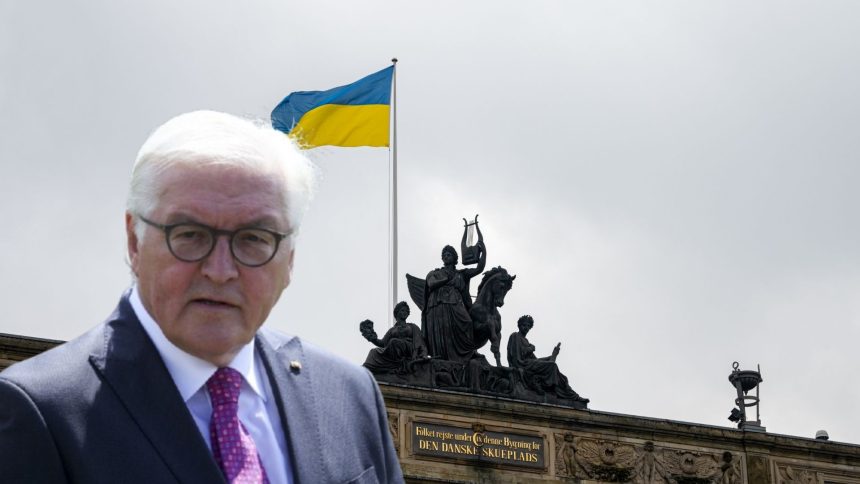
In a world marked by conflict and shifting alliances, the resolve to stand by one’s principles emerges as a beacon of hope. As Germany’s leader steps forth to reaffirm his country’s unwavering support for Ukraine, the echoes of history resonate with renewed urgency. This commitment is more than a mere political stance; it represents a deep-seated belief in sovereignty, democracy, and the collective strength of nations facing adversity.
As tensions simmer in Eastern Europe, the implications of this pledge extend far beyond borders, signaling a pivotal moment in international relations. In this article, we delve into the nuances of Germany’s ongoing support for Ukraine, exploring the motivations, responses, and potential consequences of this steadfast alliance in a rapidly changing geopolitical landscape.
German Diplomatic Strategies: Strengthening Ukraine’s Resilience through Partnership
In a recent press conference, German chancellor emphasized Germany’s enduring allegiance to promoting stability in Ukraine. He pledged to continue deepening the economic and diplomatic ties between both nations, stating that “Ukraine can always count on Germany’s unwavering support.” This commitment comes amid ongoing political tensions in the region, underscoring Germany’s crucial role as a strategic ally for Ukraine.
Several key areas of focus were outlined for the continuing collaboration:
- Political Diplomacy: Germany will continue to advocate for Ukraine’s sovereignty and territorial integrity in global forums.
- Economic Cooperation: Through both public and private sector initiatives, Germany plans to enhance Ukraine’s economic resilience.
- Development Aid: With a focus on infrastructure and education, Germany’s aid programs aim to promote sustainable development in Ukraine.
| Action Plan | Expected Outcome |
|---|---|
| Bilateral summits | Enhanced Diplomatic Relations |
| Investment programs | Economic Stability |
| Infrastructure projects | Improved Quality of life |
| Educational exchanges | Skilled Workforce |
This comprehensive approach, bundling political, economic, and development aid strategies, is aimed at bolstering Ukraine’s resilience in the chaotic regional setting. It showcases Germany’s long-term commitment to Ukraine and a joint vision of stability and prosperity.
Economic Support Initiatives: Financing Ukraine’s Reconstruction and Future Growth
In an encouraging turn of events, the Chancellor of Germany has reassured Ukraine of continued financial and economic support aimed at reviving its economy. The strategy encompasses an array of diverse initiatives, focusing primarily on critical areas such as infrastructure development, boosting the agricultural sector, fostering technological advancement, and strengthening the education and health sectors.
Infrastructure Development holds paramount importance in enhancing the productive potential of an economy. The German funding will provide helps in the modernization of roads, transport facilities, and essential public utilities. Technological Advancement, another critical area, will receive substantial emphasis. The fund will aid innovation in digital technologies and green innovation, enhancing efficiency and ushering in sustainable growth.
In addition to the incorporation of technology, the emphasis will likewise lay on Agriculture. The agricultural sector is the backbone of the Ukrainian economy and provides employment to masses. The fund intends to support crop diversification, increase yields, and improve the processing and storage facilities. Education and Health sectors will also be beneficiaries of this multi-dimensional program. With an aim to enhance human resources, the funding will improve the quality of education and healthcare services available to the people of Ukraine.
Each of these sectors will receive different amounts of this pledged funding, as outlined below:
| Sector | Funding Allocation |
|---|---|
| Infrastructure Development | $1bn |
| Technological Enhancement | $500 million |
| Agriculture | $750 million |
| Education | $200 million |
| Health | $250 million |
This significant pledge is a testament of Germany’s continued support to Ukraine and the global commitment to aid nations in need. The initiative is set to ensure the future growth and prosperity of Ukraine, carving a path of resilience and development for the people.
Military Commitment: Ensuring Enhanced Defense Capabilities for Ukraine
In a significant action that reinforces Germany’s bid to further solidify its commitment to Ukraine’s defense, Chancellor Angela Merkel reiterated Germany’s consistent support to Ukraine. Addressing a press conference, Chancellor Merkel underscored Germany’s unwavering commitment to ensure that Ukraine boasts a robust defense capability.
She highlighted various measures that her government has undertaken to support Ukraine in its defense, including:
- Financial aid: Germany has generously provided funds to enhance Ukraine’s defense sector. This includes funding for upgrading military infrastructure and purchasing advanced defense equipment.
- Training support: German military experts have been providing comprehensive training to Ukraine’s military forces to boost their operational capabilities.
- Diplomatic support: Merkel emphasised that Germany has been staunchly advocating for Ukraine’s interests in global diplomatic forums.
| Military Aid from Germany to Ukraine | Amount in Million Dollars |
|---|---|
| Financial aid for Defense Upgrade | 350 |
| Funding for Military Training | 200 |
| Diplomatic Support Funds | 150 |
With these measures, Germany’s leader reassured all parties that the country is deeply committed to enhancing Ukraine’s defense capabilities. She stressed that these are not just temporary measures but a reflection of a long-term commitment to stability in the region. The Chancellor also accentuated that it remains vital for a peaceful Europe that Ukraine retains full sovereignty and a proficient defense setup.
International Collaboration: Building a Unified Front Against Aggression in Europe
Throughout an emotionally charged discourse, Germany’s Chancellor vowed to continue supporting Ukraine amidst escalating tensions threatening to destabilize Europe. Underlining this commitment, the German leader maintained that as a symbol of unity and peace, Europe must stand together in the face of aggression, upholding its fundamental values and principles. This includes the unwavering principle of respect for each nation’s sovereignty and territorial integrity.
Key points from the Chancellor’s address include:
- Reinforcement of military, economic, and diplomatic support to Ukraine
- Pledging unwavering solidarity with the Ukrainian people
- Maintaining the importance of an equitable transatlantic alliance
Furthermore, the German leader emphasized that this collaboration is not about confrontational posturing, but building a unified front against any form of aggression. The address echoed that any attempts to redraw European boundaries by force won’t be tolerated.
To further elucidate the Chancellor’s commitment, following is a breakdown of Germany’s support for Ukraine:
| Area of Support | Description |
|---|---|
| Military | Provision of non-lethal military aid and training to the Ukrainian army. |
| Economic | Through grants and loans, significant financial assistance is provided to fortify Ukrainian economy. |
| Diplomatic | Continued diplomatic endeavours to bring about a peaceful resolution to the conflict. |
A united Europe, speaking with one voice, is not only essential to counter aggression, but is also a testament to the core ethos upon which the European Union was established. This spirit of camaraderie among nations in Europe sends out a powerful message to the entire world.
Insights and Conclusions
As the world watches the ongoing conflict in Ukraine, Germany’s renewed commitment offers a glimmer of hope amidst the turmoil. The steadfast assurances from its leadership underscore the importance of international solidarity and the resolve to seek peace through support. As Germany prepares to navigate this complex landscape, the focus remains on humanitarian assistance, military backing, and diplomatic efforts.
While challenges lie ahead, the vote of confidence in Ukraine’s sovereignty and resilience serves as a reminder that collective action can lead to meaningful change. As nations unite, the path forward will depend not only on military and financial aid but also on fostering dialogue and understanding among all parties involved.
In echoing the sentiments of resilience and unity, we are left with the question of how this commitment will evolve and what it means for the future of Europe and its shared values of democracy and freedom. As we turn the page on this chapter, it’s clear that the story of support for Ukraine is far from over—an enduring narrative shaped by the actions and responses of leaders around the globe.


