


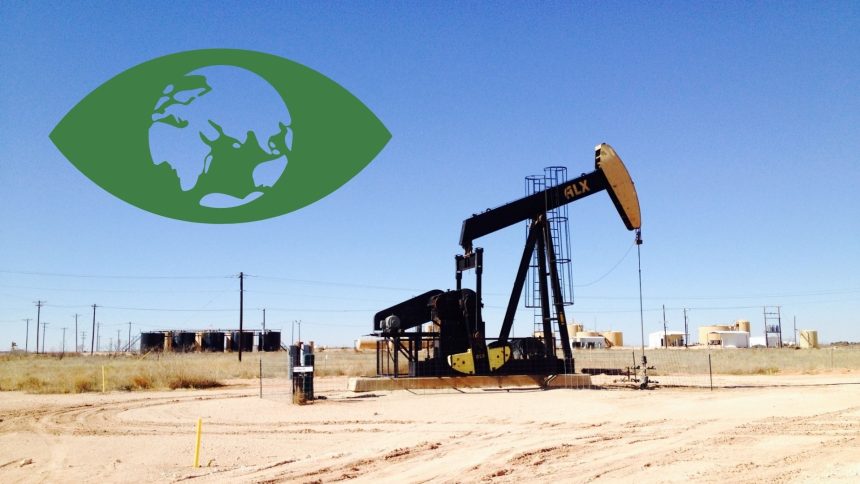
In an era increasingly defined by the urgency of climate action, the financial trajectories of climate funding and fossil fuel revenues present a fascinating juxtaposition. As global initiatives to combat climate change gain momentum, substantial sums of money—referred to as “climate cash”—are being mobilized to foster sustainability, innovate green technologies, and bolster adaptation efforts. Meanwhile, the fossil fuel industry continues to generate staggering revenues, driving economies but also perpetuating environmental challenges.
This article delves into the complex landscape of climate financing versus fossil fuel income, exploring how these two financial streams not only reflect the priorities of our time but also shape the future of our planet. Through a nuanced examination of statistics, trends, and impacts, we aim to uncover the implications of these contrasting yet interconnected financial mechanisms, shedding light on what they mean for both our economy and the climate itself.
Assessing the Financial Landscape: Climate Cash Versus Fossil Fuel Revenue
The dynamics of the planet’s economic architecture are at a crucial intersection with the advent of renewable energy sources. Unusually, the age-old titans of industrial might, fossil fuels, find competition confronting them in the form of what we term here as ‘climate cash.’ This comparison between the two revolves largely around the tenets of profitability, sustainability, and escalating global demand.
In assessing profit margins, the fossil fuel industry still leads in raw revenue. However, it is becoming increasingly clear that this hegemony is beginning to buckle under the emerging renewable energy sector. Wind and solar comprise the fastest-growing job sectors in the United States, and the worldwide investment in renewable energy has already surpassed investment in fossil fuels.
- Profitability: Despite currently leading in raw revenue, the escalating costs of extraction and environmental mitigation are significantly reducing net profits in the fossil fuel industry.
- Sustainability: The obvious elephant in the room, fossil fuels are depleting resources with severe environmental impact, while renewable energy is virtually inexhaustible and significantly less harmful.
- Demand: While global demand for energy is rising, the demand for fossil fuels is stagnant or falling in many developed nations.
| Parameter | Fossil Fuel | Climate Cash (Renewable Energy) |
|---|---|---|
| Profitability | High, declining | Rising |
| Sustainability | Low | High |
| Demand | Flat, falling in many markets | Rising globally |
The cards seem to be stacked against fossil fuels when one considers the long-term perspectives. With governments worldwide committing to reducing carbon emissions and investors becoming increasingly conscious of their environmental impacts, the shift is underway. The race is on, and the finish line is sustainability rather than short-term gain.
Unpacking the Economic Impacts: Shifting Paradigms in Energy Financing
In the last two decades, a seismic shift has been emanating in the energy sector leading to significant economic impacts. Previously, the global energy production and distribution scene was heavily dominated by fossil fuels and associated financing, however, the narrative is swiftly changing. This shift, primarily driven by heightened awareness about the climate crisis, is nudging major economic players, governments, and corporations toward renewable energy and sustainable financing alternatives. But how does the financial backing for these climate solutions compare to revenues garnered from fossil fuels?
Interestingly, it is a mix of some stark contrasts and surprising similarities. On one hand, fossil fuel corporations have benefited from massive direct subsidies as well as indirect benefits such as infrastructure support and tax breaks for decades. This has robustly solidified their economic position. On the other hand, recent years have seen an acceleration in climate cash inflow, composing of a myriad of financing channels including:
- Green bonds: These are fixed-income instruments dedicated specifically for climate and environmental projects.
- Climate-aligned loans: A growing segment of the finance industry is making business loans contingent upon the company’s climate policies.
- Climate funds: These global funds are designed to help developing countries mitigate and adapt to the impacts of climate change.
| Fossil Fuel Revenues | Climate Cash |
|---|---|
| Direct subsidies, Indirect benefits, Infrastructure support, Tax breaks | Green bonds, Climate-aligned loans, Climate funds |
As the financial sector recognizes the environmental risks associated with fossil fuels and the investment opportunities presented by renewables, we are witnessing a steady increase in climate cash. Though they have a long way to go to outstrip fossil fuel revenues, these changing dynamics suggest a promising path towards achieving sustainable financial structures that back energy solutions addressing the present and future climate challenges.
Exploring Funding Mechanisms: Strategies to Enhance Climate Investment
Understanding the financial dynamics of the energy sector can shed light on where we should be focusing our efforts for a sustainable future. In relation to the balance of climate cash and fossil fuel revenues, it’s eye-opening to realize how much more prevalent the latter is. Investments in renewable resources, despite their potential for long term sustainability and less environmental harm, don’t receive the same financial backing as their fossil fuel counterparts. This discrepancy is a significant hurdle to the transition to a cleaner energy economy.
How do these two types of funding measure up? Let’s take a look at the data:
| Funding Type | 2019 Revenue (in billions) | 2020 Revenue (in billions) |
|---|---|---|
| Climate Cash | 40 | 46 |
| Fossil Fuel Revenues | 800 | 600 |
Even with the impact of the pandemic on fossil fuel revenues in 2020, the gap between them and investments in climate solutions remains staggering. To enhance climate investments, we need new funding mechanisms that correct this imbalance. Policies could include:
- Subsidy reform: Governments globally spend billions subsidizing fossil fuels – rerouting even a portion of that to renewable sources could make a huge difference.
- Carbon pricing: Implementing a consistent and rising price on carbon in all sectors of the economy can discourage investment in fossil fuels and make renewable energy projects more competitive.
- Tightening green finance standards: To ensure that investments classified as ‘green’ truly uphold environmental standards, better monitoring and regulation of these investments could direct more money to genuinely sustainable projects.
By aiming to level the playing field between fossil fuels and cleaner alternatives, these strategies could significantly enhance climate investment. However, their success will require strong political will and global cooperation.
Charting a Sustainable Future: Recommendations for Balancing Economic Interests
In recent years, the global energy landscape has undergone a paradigm shift. The concern for sustainability and the pressure to move away from a carbon-intensive economy culminated in a focus on climate finance. However, according to a study by the International Energy Agency, fossil fuel revenues still account for a significant portion of the global economy, claiming up to four times the total value of climate funds. It is worth noting that while the revenues from the fossil fuel industry is evident and substantial, the hidden costs, including environmental degradation and health hazards, are often overlooked.
The matter becomes more complex as we realize that climate financing is directly related to the sustainability of our economies. Outlined below are the various sources of climate financing:
- Public funding: This includes funds mobilized by governments through taxes, bonds, and foreign aid.
- Private funding: Investments made by individuals, banks, and corporations towards sustainable projects.
- Philanthropic contributions: Grants and donations allocated by philanthropic foundations for green initiatives.
The disparity becomes apparent when we compare these figures with those generated by the fossil fuel industry. Let’s dive deeper:
| Fossil Fuel Revenue | Climate Finance |
|---|---|
| $3.3 trillion (2020) | $579 billion (2020) |
This discrepancy reflects the imbalance between our economic interests and long-term sustainability. As such, a holistic approach encompassing policy changes, incentivizing sustainable practices and awareness campaigns is needed to strike a healthier balance.
To Wrap It Up
In the intricate dance between climate cash and fossil fuel revenues, we find ourselves at a critical crossroads. As we navigate the complexities of our energy future, it’s clear that understanding these financial flows—rooted in both sustainability and traditional power—offers vital insights into the pathways available to us. While fossil fuel revenues continue to shape economies, climate cash embodies the aspirations for a cleaner, greener world, promising not just survival but revitalization.
Ultimately, the choice we face is not merely one of dollars and cents, but of vision and values. Will we rally around the promise of innovation and investment in renewable energy, or remain tethered to the familiar patterns of the past? As we chart our course forward, the juxtaposition of these financial streams serves as a reminder: the true measure of progress lies not just in profit, but in our commitment to shaping a sustainable legacy for generations to come. The dialogue has only just begun, and each decision we make today can resonate into the future. Let us choose wisely.


