


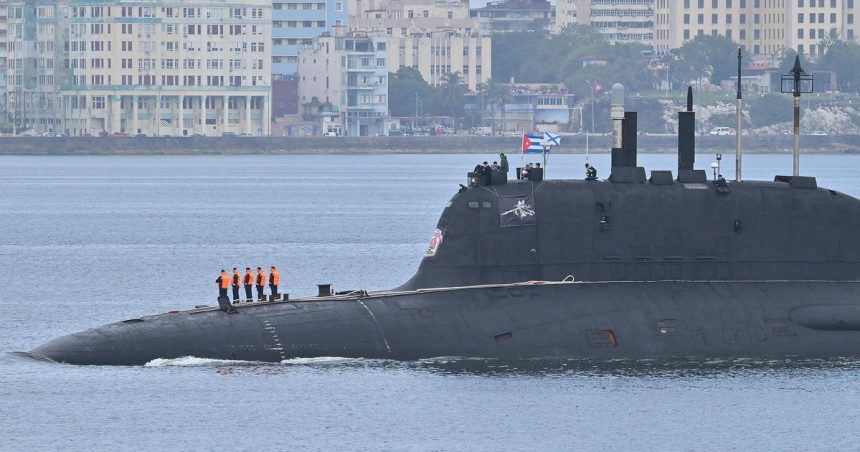
In an era marked by escalating geopolitical tensions and a renewed focus on military capabilities, the question of nuclear deterrence has taken center stage on the global stage. At the forefront of this discussion is Russia, a key player in the nuclear arms landscape. As the country maintains a formidable fleet of nuclear submarines — a critical component of its maritime strategy — the question arises: how many nuclear submarines does Russia actually possess?
This inquiry not only sheds light on Russia’s military strength but also has implications for international security and the balance of power. In this article, we delve into the current state of Russia’s nuclear submarine fleet, examining its size, capabilities, and the strategic significance it holds in the context of modern warfare and diplomacy.
Table of Contents
- Understanding the Current Fleet of Russian Nuclear Submarines
- Strategic Implications of Russias Underwater Capabilities
- The Impact of International Treaties on Submarine Proliferation
- Future Considerations for Global Naval Power Dynamics
- Q&A
- To Wrap It Up
Understanding the Current Fleet of Russian Nuclear Submarines
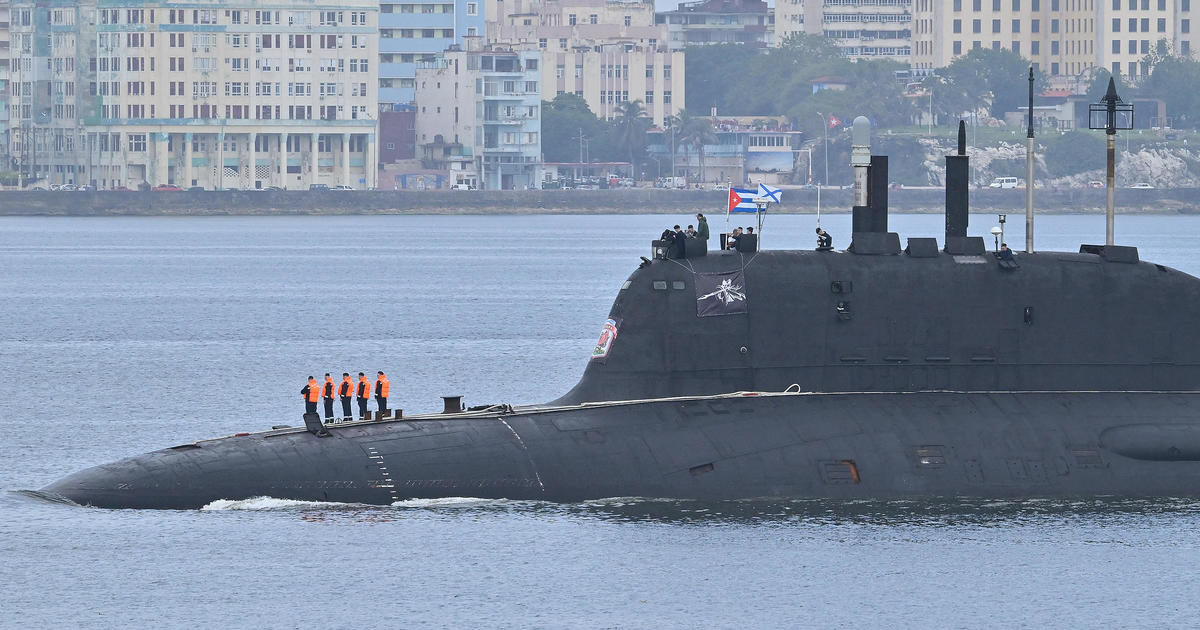
The Russian Navy operates one of the most formidable fleets of nuclear submarines in the world, strategically designed to enhance its maritime capabilities. This fleet includes a mix of strategic deterrent submarines and attack submarines, each serving a unique purpose in national defense. As of October 2023, Russia possesses approximately 60 nuclear submarines, which consist of the following main classes:
- Borei Class – A modern strategic submarine designed to carry ballistic missiles.
- Typhoon Class - The largest submarine class in existence, known for its significant missile payload.
- Oscar II Class – Primarily an attack submarine equipped for anti-ship and land-attack operations.
- Akula Class – A multi-purpose attack submarine known for its stealth capabilities.
| Submarine Class | Number in Service | Primary Role |
|---|---|---|
| Borei Class | 8 | Strategic Deterrence |
| Typhoon Class | 6 | Strategic Deterrence |
| Oscar II Class | 11 | Attack |
| Akula Class | 10 | Multi-purpose Attack |
As geopolitical tensions escalate and the need for advanced military assets grows, Russia continues to invest in modernizing its underwater fleet. New technologies, such as enhanced sonar systems and stealth features, aim to bolster operational effectiveness. The nuclear submarines not only represent a key element of Russia’s strategic nuclear triad but also act as a critical deterrent against potential adversaries across the globe.
Strategic Implications of Russias Underwater Capabilities
The resurgence of Russia’s underwater capabilities, particularly in the realm of nuclear submarines, has significant strategic implications for global security dynamics. The Russian Navy, emphasizing modernization and expansion, has developed an impressive fleet of submarines designed for stealth, endurance, and advanced weaponry. The operational capabilities of these vessels not only enhance Russia’s deterrent posture but also significantly affect the balance of power in critical maritime regions. Key factors influencing these implications include:
- Increased Deterrence: Russia’s enhanced underwater fleet acts as a powerful deterrent against potential adversaries, capable of launching strategic strikes from submerged positions.
- Geopolitical Influence: The expansion of submarine capabilities allows Russia to extend its influence in key areas, such as the Arctic and the North Atlantic, challenging NATO’s maritime dominance.
- Technological Advancements: Innovations in submarine technology, including improved stealth features, aim to counteract anti-submarine warfare efforts from adversaries.
The strategic considerations surrounding these submarines culminate in a broader framework of deterrence, influence, and military readiness. A closer examination of Russia’s submarine fleet reveals not just the quantity, but also the diverse capabilities each class embodies. For instance:
| Submarine Class | Primary Role | Total Units |
|---|---|---|
| Typhoon | Nuclear Deterrence | 6 |
| Dolphin | Strategic Patrol | 3 |
| Yasen | Attack Submarine | 4 (under construction ongoing) |
The Impact of International Treaties on Submarine Proliferation
The proliferation of nuclear submarines across the globe has been significantly influenced by international treaties aimed at regulating arms and fostering disarmament. Treaties such as the Nuclear Non-Proliferation Treaty (NPT) and the Strategic Arms Reduction Treaty (START) have created frameworks that nations navigate when developing their submarine fleets. These agreements often stipulate limits on the numbers and types of nuclear weapons, including warheads deployed on submarines, impacting countries like Russia, which has engaged in intricate negotiations and strategic posturing to maintain its naval capabilities while abiding by international norms.
Despite these treaties, challenges persist as some nations leverage loopholes or opt for modernizing their existing arsenals outside the bounds of international agreements. For Russia, its fleet of nuclear submarines is not just a matter of deterrence but also a reflection of national pride and military might. The Russian government has been known to flaunt its advancements in submarine technology, often signaling to the West its commitment to maintaining a robust maritime deterrent. As a result, while treaties aim to curtail proliferation, the reality remains that geopolitical tensions and national security concerns often lead countries to continue developing sophisticated underwater platforms.
Future Considerations for Global Naval Power Dynamics
The landscape of global naval power dynamics is shifting rapidly, with nuclear submarines at the forefront of this transformation. Countries are increasingly investing in advanced submarine technology to enhance their strategic deterrence capabilities and maintain an edge over rival naval forces. Russia, in particular, showcases a noteworthy investment in its nuclear submarine fleet, reflecting a broader trend among major powers aiming to establish undersea dominance. The Geopolitical Factors influencing these developments include:
- Technological Advancements: Innovations in stealth capabilities and missile systems.
- Geopolitical Rivalries: Tension in the Arctic and the South China Sea pushing nations to expand naval arsenals.
- Alliances and Partnerships: Collaborative efforts aimed at counterbalancing other major naval powers.
In this evolving environment, the strategic importance of nuclear submarines cannot be overstated. They offer nations a level of deterrence that is both proactive and reactive, requiring adversaries to consider their responses carefully. As the Russian Navy continues to modernize its fleet, the implications of its nuclear submarine capabilities will likely influence naval strategies around the world. The following table illustrates the current status of Russia’s nuclear submarine fleet in comparison to other leading powers:
| Country | Nuclear Submarines | Key Class Types |
|---|---|---|
| Russia | 58 | Borei, Delta IV |
| United States | 68 | Virginia, Ohio |
| China | 30 | Type 094, Type 095 |
Q&A
Q&A: The Status of Russia’s Nuclear Submarine Fleet
Q1: How many nuclear submarines does Russia currently have?
A1: As of October 2023, Russia operates a fleet of approximately 58 nuclear submarines. This includes various classes such as the Typhoon, Borei, and Oscar submarines, which are equipped for strategic and tactical missions.
Q2: What is the role of nuclear submarines in Russia’s naval strategy?
A2: Nuclear submarines play a crucial role in Russia’s naval strategy by providing strategic deterrence. They are capable of launching ballistic missiles, which serve as a counterbalance to potential threats from other nations, particularly NATO countries. Additionally, these submarines also perform anti-ship and anti-submarine warfare missions.
Q3: How does Russia’s submarine fleet compare to that of other nations?
A3: Russia boasts one of the largest nuclear submarine fleets in the world, second only to the United States. While the U.S. maintains a modern fleet of around 70 nuclear submarines, Russia’s aging vessels still play a significant role in maintaining its military capabilities. The two nations continue to advance their submarine technology, with each focusing on stealth and advanced weapon systems.
Q4: Are all of Russia’s nuclear submarines operational?
A4: Not all of Russia’s nuclear submarines are currently operational. A portion of the fleet is undergoing repairs, modernization, or awaiting decommissioning. Defense analysts estimate that around 45 to 50 of these submarines are actively deployed or ready for service, with the rest in various states of refurbishment.
Q5: Is Russia investing in new submarine technology?
A5: Yes, Russia is investing heavily in new submarine technology. The Borei-A class, for example, represents the latest addition to its fleet, designed for stealth and equipped with advanced missile systems. Plans for future developments include modernizing existing submarines and constructing new vessels to enhance capabilities and maintain a strategic edge.
Q6: What are the implications of Russia’s nuclear submarine fleet for global security?
A6: Russia’s nuclear submarine fleet has significant implications for global security. The fleet contributes to the balance of power, particularly in the context of strategic deterrence. Increased military activity, including submarine patrols, can lead to heightened tensions with NATO and other nations, necessitating ongoing dialogue regarding arms control and maritime safety to mitigate potential conflicts.
Q7: Where can one find more information regarding the history and development of Russia’s nuclear submarines?
A7: For more detailed information about the history and development of Russia’s nuclear submarines, one can refer to defense analysis reports, naval history publications, and resources from organizations such as the International Institute for Strategic Studies (IISS) and the Center for Strategic and Budgetary Assessments (CSBA), which regularly publish comprehensive studies on military assets and capabilities.
To Wrap It Up
Russia’s nuclear submarine fleet stands as a formidable component of its maritime strategy and national defense framework. With a reported total of approximately 60 submarines, including advanced designs such as the Borei and Yasen classes, Russia maintains a significant presence in the world’s oceans. This military capability not only enhances its deterrence posture but also raises important questions regarding regional security dynamics and global naval competition. As geopolitical tensions continue to evolve, the status and future developments within Russia’s nuclear submarine program will remain a critical area of observation for analysts and policymakers alike. As nations navigate the complexities of modern warfare and diplomacy, these underwater assets underscore the persistent relevance of nuclear deterrence in an ever-changing security landscape.


