



In the realm of American politics, few figures command as much attention as Chris Christie, the former governor of New Jersey and a prominent candidate in the Republican Party. Known for his robust personality and candid demeanor, Christie has often made headlines for his policies and political strategies. However, recently, discussions surrounding his health and weight have resurfaced, igniting curiosity among the public and political commentators alike. As Christie navigates the turbulent waters of his political career, questions about his physical well-being—specifically, “how much does Chris Christie weigh?”—have taken center stage.
This article delves into the factors influencing Christie’s weight, the implications for his political aspirations, and the broader conversation about health and fitness in the arena of public service.
Table of Contents
- Understanding Chris Christies Weight Journey and Health Implications
- Analyzing Public Perception and Media Scrutiny of Weight in Politics
- Exploring the Role of Personal Health in Public Service and Leadership
- Recommendations for Healthy Lifestyle Choices and Weight Management Strategies
- Q&A
- Concluding Remarks
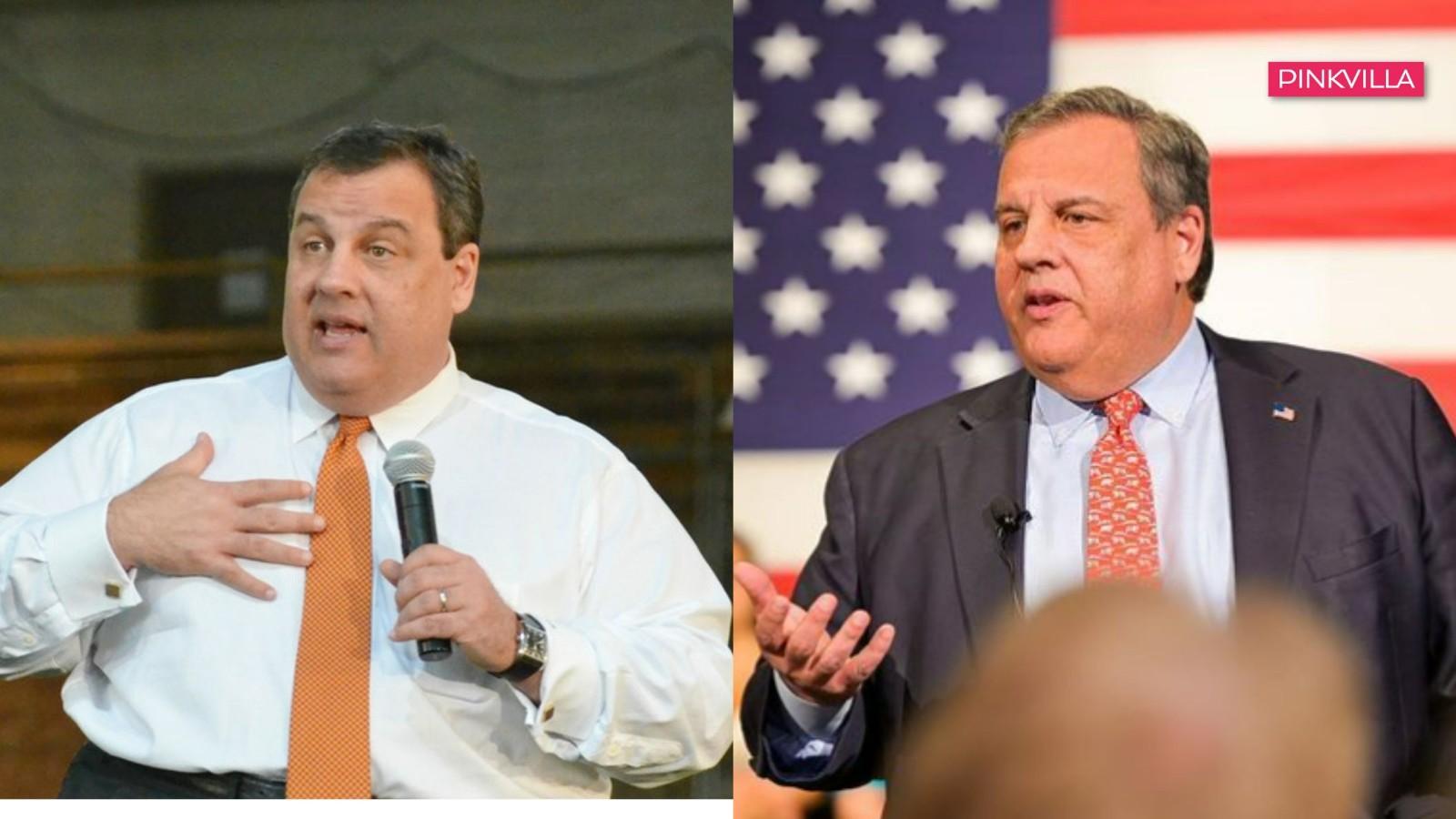
Understanding Chris Christies Weight Journey and Health Implications
Chris Christie, the former governor of New Jersey, has been open about his struggles with weight management throughout his political career. At various times, his weight has fluctuated significantly, drawing both public scrutiny and concern regarding its impact on his overall health. As of late 2023, reports suggest that Christie, who has publicly acknowledged his challenges with obesity, weighs around 330 pounds. This number has raised questions regarding the health implications of such a weight, particularly in relation to cardiovascular health and longevity. Numerous studies have linked higher body mass indexes (BMIs) with increased risks for diseases such as diabetes, hypertension, and heart disease.
Moreover, Christie underwent gastric bypass surgery in 2013, a decision that marked a pivotal moment in his weight journey. The procedure aimed to facilitate weight loss, but it also highlighted the ongoing battle many face with maintaining a healthy lifestyle. The implications of Christie’s weight on his political aspirations, public perception, and personal health cannot be overstated. As he has navigated these challenges, he stands as a focal point in discussions about obesity and political leadership, illustrating the vital conversation surrounding health, responsibility, and public life. The journey of individuals like Christie serves to emphasize the need for supportive public health policies aimed at addressing obesity and promoting healthy living.
Analyzing Public Perception and Media Scrutiny of Weight in Politics
The scrutiny surrounding Chris Christie’s weight has evolved into a lens through which to view broader societal attitudes towards body image in the political arena. This focus, often exacerbated by media coverage, raises questions about *how public perception impacts political discourse*. As elected officials are frequently held to various standards—both on their rhetoric and appearance—Christie’s case exemplifies how weight can influence voters’ impressions. The narrative surrounding his health and physicality has often overshadowed his political achievements, creating a tension between personal choices and professional expectations.
Critics argue that media scrutiny regarding politicians’ bodies can reflect deeper biases within society. The discussion surrounding Christie serves as a reminder of the *interplay between weight, perception, and power*. Notably, it highlights how politicians’ weight can become symbolic within larger frameworks, such as health care debates and discussions about personal accountability. In this landscape, key takeaways include:
- Weight as a Political Metric: The idea that body weight can signal competence or unfitness for leadership.
- Media Influence: How relentless coverage shapes public narrative and opinion.
- Health Discourse: Weighing the importance of health beyond mere numbers.
Exploring the Role of Personal Health in Public Service and Leadership
The intersection of personal health and public service presents a compelling narrative about leadership effectiveness and the responsibilities of those in positions of authority. Leaders are often judged not only by their policies and decisions but also by their personal well-being. A healthy leader is likelier to exhibit resilience, make sound judgments, and inspire confidence among constituents. This raises critical questions about the importance of maintaining physical health, particularly for figures like Chris Christie, who has faced scrutiny over his weight during his time in office. The public’s perception of a leader’s health can influence their credibility and the overall message they convey about wellness and responsibility.
When assessing the implications of personal health on public leadership, several factors come into play:
- Public Perception: The weight of a leader can often overshadow their policies, affecting how constituents perceive their capability.
- Role Modeling: Leaders serve as role models; their health habits can encourage or discourage healthy behaviors in the public.
- Stress Management: A leader’s physical state can impact their ability to handle the rigors of governance and public scrutiny.
Understanding the importance of health in public service prompts an examination of leaders’ lifestyles across the political spectrum. Below is a simplified comparison of health-related metrics among various political figures:
| Leader | Weight (approx.) | Health Focus |
|---|---|---|
| Chris Christie | ~300 lbs | Weight loss journey, public health advocacy |
| Michelle Obama | ~175 lbs | Healthy living, fitness promotion |
| Bernie Sanders | ~180 lbs | Heart health awareness |
Recommendations for Healthy Lifestyle Choices and Weight Management Strategies
- Balanced Diet: Incorporate a variety of fruits, vegetables, whole grains, lean proteins, and healthy fats in your meals.
- Regular Exercise: Aim for at least 150 minutes of moderate aerobic activity each week, along with strength training twice a week.
- Stay Hydrated: Drink plenty of water throughout the day, as hydration plays a crucial role in metabolism and appetite control.
- Mindful Eating: Practice being present during meals, listen to your body’s hunger cues, and avoid distractions like screens.
Additionally, maintaining a supportive social environment can significantly contribute to sustained health habits. Consider these approaches:
- Find a Workout Buddy: Exercising with friends or family can boost motivation and accountability.
- Join Community Groups: Engage with local clubs focused on health and fitness to build a network of support.
- Track Your Progress: Use apps or journals to monitor food intake and physical activity, helping to identify patterns and areas for improvement.
- Seek Professional Guidance: Consulting with a nutritionist or a personal trainer can provide personalized strategies tailored to your needs.
Q&A
Q&A: Chris Christie’s Weight and Public Perception
Q: How much does Chris Christie weigh?
A: As of the latest available reports, Chris Christie, the former governor of New Jersey, has been estimated to weigh around 320 pounds. His weight has been a topic of public interest and debate, particularly during his time in politics.
Q: Has Chris Christie publicly addressed his weight?
A: Yes, Chris Christie has openly discussed his weight struggles throughout his political career. He has acknowledged the challenges related to his size, especially in the context of health and public perception. In 2013, he underwent gastric bypass surgery, which he described as a significant step towards improving his health.
Q: How does Chris Christie’s weight impact his political career?
A: Christie’s weight has generated considerable media attention and commentary, potentially influencing his public image and political viability. While he has garnered support for his straightforward personality and leadership style, his weight has also led to ridicule and scrutiny from opponents and the media. This dynamic underscores the often harsh lens through which public figures are viewed.
Q: What are the health implications of his weight?
A: Medical professionals generally point out that obesity can lead to various health issues, including diabetes, heart disease, and other chronic conditions. Christie has mentioned that he was diagnosed with asthma and other health-related issues, which he attributed, in part, to his weight. Since his surgery, he has reported improvements in his overall health.
Q: Is Chris Christie currently trying to lose weight?
A: While Christie has not consistently outlined a public weight-loss plan since his surgery, he has indicated a commitment to maintaining a healthier lifestyle. He often emphasizes the importance of health and fitness in interviews, suggesting that he continues to prioritize his well-being.
Q: How do public perceptions of weight influence political candidates like Christie?
A: Public perception of weight can significantly affect political candidates, often impacting voter opinions and media coverage. Candidates who are perceived as healthier may be viewed as more capable leaders, while those who struggle with their weight can face stereotypes and biases that go beyond their policies and competencies. This highlights a societal tendency to judge politicians on appearances rather than solely on their qualifications or policies.
Q: What message can be drawn from Chris Christie’s experience with weight as a public figure?
A: Chris Christie’s experience underscores the complex relationship between health, body image, and public service. It illustrates the importance of mental and physical well-being, and how vital it is for public figures to focus on their health amid external pressures and expectations. Christie’s journey also opens a dialogue about societal attitudes towards weight, health, and leadership in politics.
Concluding Remarks
As the inquiry into Chris Christie’s weight continues to capture public interest, it highlights not only the physical metrics of a political figure but also the broader discussions surrounding health, body image, and the scrutiny that public officials often face.
While the exact number may fluctuate, the conversation about Christie’s health is emblematic of the intersection between politics and personal well-being. As we move forward, it will be crucial to focus on the implications of such discussions, recognizing that behind the numbers lies a complex narrative of individual choices, public responsibility, and societal expectations.


