


As global tensions rise and the geopolitical landscape evolves, India’s defence budget has emerged as a critical focal point for policymakers and analysts alike. In an increasingly uncertain world, India is poised to navigate complex security challenges while striving to bolster its military capabilities. The Indian government has unveiled its latest defence budget, allocating resources that reflect not only its commitment to national security but also its strategic priorities in the face of a rapidly changing regional dynamics.
This article delves into the key components of the budget, the implications for India’s armed forces, and the broader impact on international relations as the nation seeks to position itself as a formidable player on the world stage.
Table of Contents
- Indias Defence Budget Breakdown and Strategic Implications
- Evaluating the Modernization Agenda: Assessing Key Allocations
- Challenges in Defence Procurement: Addressing Delays and Efficiency
- Future Recommendations for Sustainable Defence Growth and Innovation
- Q&A
- To Wrap It Up
Indias Defence Budget Breakdown and Strategic Implications
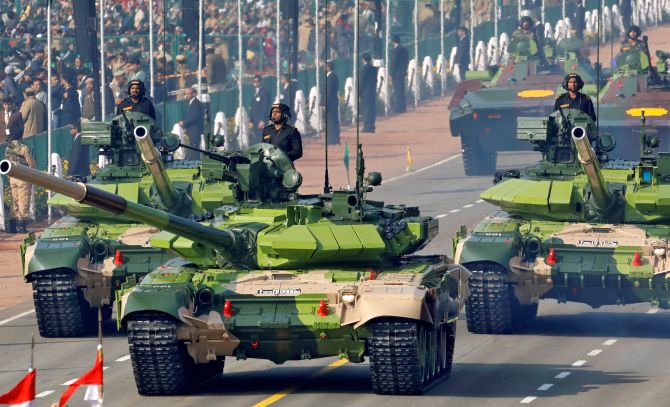
- Acquisition of Advanced Weapon Systems: Funding for state-of-the-art technologies, including missile defense systems and naval assets.
- Infrastructure Development: Investment in upgrading military facilities and bases to improve logistics and readiness.
- Research and Development: Increased emphasis on indigenous defense manufacturing to reduce dependency on imports.
This financial commitment not only fortifies India’s military preparedness but also serves as a deterrent against potential threats, particularly from neighboring countries. The implications of such a budgetary focus are multifaceted, affecting regional power dynamics and defense relations. As depicted in the table below, the distribution of the defence budget underscores strategic priorities:
| Category | Percentage of Total Budget |
|---|---|
| Modernization and Equipment | 40% |
| Personnel Expenses | 30% |
| Operational Expenditure | 20% |
| Research and Development | 10% |
Evaluating the Modernization Agenda: Assessing Key Allocations
In evaluating the allocations, it is crucial to highlight major components that reflect a strategic shift in defense planning. Among these, investment in indigenous production of military hardware emerges as a priority, with allocations for projects such as the Light Combat Aircraft (LCA) and Aero-Engine Development. Furthermore, investments in cyber warfare and space capabilities mark an expanding horizon that recognizes the multifaceted nature of modern warfare. The following table summarizes the key allocations of the current defense budget:
| Allocation Area | Percentage of Total Budget |
|---|---|
| Capital Expenditure | 65% |
| Indigenous Equipment Production | 20% |
| Cyber Security | 10% |
| Research & Development | 5% |
Challenges in Defence Procurement: Addressing Delays and Efficiency
The defence procurement landscape in India is fraught with challenges that often hinder timely acquisition and deployment of critical military assets. The complexity of procurement processes, combined with bureaucratic red tape, can lead to substantial delays. This includes stringent requirements for evaluations, approvals, and audits, which not only extend timelines but can also inflate project costs. The evolving threat landscape demands a more agile approach to procurement, enabling quicker responses to emerging security challenges.
To mitigate these issues, various initiatives are being explored to enhance efficiency and transparency in defence procurement. Streamlining procedures and implementing digital platforms are crucial steps in this direction. Additionally, fostering public-private partnerships can expedite the development and procurement of technologically advanced systems. A few key strategies include:
- Single Window Clearance: Simplifying the approval process.
- Direct Procurement Methods: Utilizing government-to-government agreements.
- Regular Audits and Reviews: Ensuring compliance and accountability at every stage.
Furthermore, establishing a structured feedback loop between the government and defence manufacturers can help address pain points and refine procurement procedures. The table below summarizes some of the key factors impacting procurement timelines:
| Factor | Impact on Timeline | Potential Solution |
|---|---|---|
| Bureaucratic Delays | High | Streamlined Processes |
| Technological Obsolescence | Medium | Agile Procurement |
| Budget Constraints | High | Increased Funding |
| Geopolitical Changes | Variable | Adaptive Strategy |
Future Recommendations for Sustainable Defence Growth and Innovation
To foster a sustainable trajectory for defense growth and innovation, India must prioritize investments in emerging technologies and collaborative frameworks. Incorporating advanced technologies such as artificial intelligence, drone warfare, and cyber security into the defense ecosystem will enhance operational capabilities. This approach should be complemented by a focus on public-private partnerships, driving an influx of talent and capital into the defense sector.
Moreover, commitment to indigenous manufacturing will not only reduce reliance on foreign defense procurement but also stimulate economic growth. The government should facilitate this by implementing incentives for startups in defense technology, ensuring that innovative ideas can transition to real-world applications effectively. Initiatives such as establishing technology incubation centers in collaboration with academia and industry can create a robust ecosystem, promoting cutting-edge research and development in defense.
Q&A
Q&A: Understanding for 2023-2024
Q1: What is the total defence budget for India in 2023-2024?
A1: The Indian government’s defence budget for the fiscal year 2023-2024 is set at ₹5.94 lakh crore (approximately $72 billion). This marks a notable increase from the previous year’s budget and reflects the government’s ongoing emphasis on strengthening national security.
Q2: What are the key highlights of this year’s defence budget?
A2: Key highlights include an allocation of ₹1.62 lakh crore (around $19.5 billion) for capital outlays, which focuses on the procurement of new weapons and equipment. The budget also emphasizes indigenization, encouraging domestic manufacturing through initiatives such as “Make in India” and investing in research and development.
Q3: How does the current budget address personnel costs in the military?
A3: Personnel costs remain significant, consuming about 55% of the total defence budget. However, the Indian government has pledged to enhance the welfare of armed forces personnel by providing better salaries and benefits within this budget. The focus on modernization also aims to create a more tech-savvy and capable military workforce.
Q4: What are the geopolitical factors influencing this budget?
A4: Geopolitical tensions, particularly with China and Pakistan, continue to shape India’s defence spending. The border conflicts and ongoing regional rivalries have prompted a necessity for enhanced military preparedness and capabilities, leading to increased allocations towards strategic assets.
Q5: How does this budget impact domestic defence manufacturing?
A5: The increased focus on capital expenditure has direct implications for domestic defence manufacturing. The budget allocates funds to promote indigenously developed projects and technologies. This is expected to boost local industries, create jobs, and reduce reliance on foreign defence equipment.
Q6: What initiatives has the government proposed to improve defence infrastructure?
A6: The budget outlines plans for modernizing military infrastructure, including improvements to airfields, naval bases, and logistics support systems. Initiatives also include upgrading existing facilities and increasing the capacity for rapid deployment along contentious borders.
Q7: Will there be an impact on civilian sectors due to this increased defence spending?
A7: While the hike in the defence budget is substantial, government officials assure that it will not significantly divert funds from essential civilian sectors such as health, education, and infrastructure. However, some critics argue that a larger defence allocation could strain resources in these areas over the long term.
Q8: How does India’s defence budget compare with that of other countries?
A8: India ranks among the top three military spenders globally, trailing only behind the United States and China. This positioning highlights India’s commitment to maintain a robust military capability, especially in light of its regional security environment.
Q9: What is the outlook for future defence budgets, according to analysts?
A9: Analysts predict that India’s defence budget will continue to rise in response to both regional threats and the imperative to modernize its armed forces. The government’s increasing focus on technological advancements and indigenous production is likely to shape the budgetary allocations in future years.
Q10: Where can readers find more details about the budget and its implications?
A10: Readers can refer to the official Ministry of Defence website and various analysis reports by defence think tanks for comprehensive insights. Additionally, national newspapers and economic journals are providing in-depth coverage and expert opinions on how this budget will affect India’s defence strategy moving forward.
To Wrap It Up
As India continues to navigate an increasingly complex geopolitical landscape, the implications of its defense budget extend far beyond mere numbers. The fiscal allocations highlight the nation’s commitment to enhancing its military capabilities while balancing economic growth and social welfare. With rising tensions in the region and evolving security challenges, the efficacy of this budget will ultimately depend on strategic planning, resource allocation, and the ability to innovate within the defense sector.
as policymakers deliberate on future expenditures and priorities, the emphasis must remain on ensuring that India’s military modernization aligns with broader national interests. Vigilance, adaptability, and a clear vision will be paramount as the nation seeks to fortify its position on the global stage, safeguarding its sovereignty and advancing its stature as a regional power. The decisions made today will resonate for generations, shaping the trajectory of India’s defense strategy in the years to come.


