


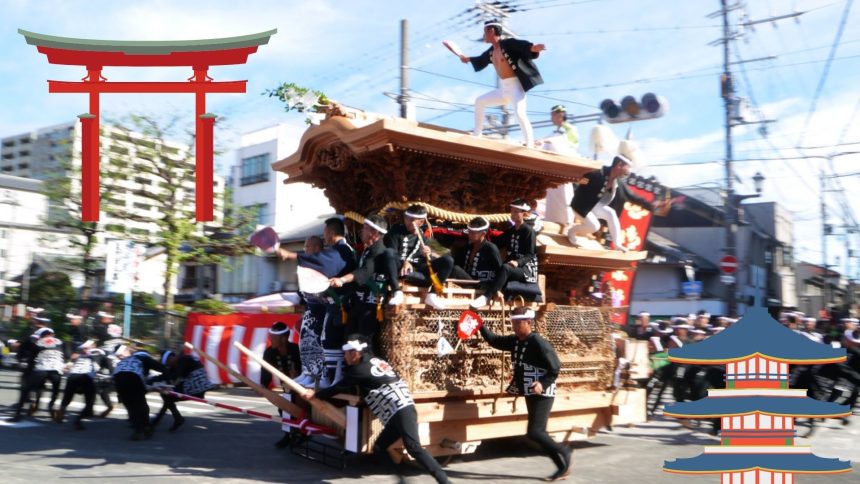
Nestled in the heart of Japan’s cultural tapestry, Osaka is renowned not only for its culinary delights and bustling streets but also for an exhilarating tradition that pushes the boundaries of excitement. Welcome to the realm of Osaka’s float festivals—an annual spectacle where history, artistry, and adrenaline converge in a breathtaking display. These vibrant events, steeped in centuries-old customs, see daring participants risking it all amid the thundering cheers of enthusiastic crowds.
From the intricate craftsmanship of the floats to the intense physicality of the celebrations, each festival presents a unique blend of danger and thrill that captivates locals and visitors alike. In this article, we delve deep into the captivating world of Osaka’s float festivals, exploring their origins, the skills required to navigate the tumultuous waters, and the community spirit that holds it all together. Prepare to embark on a journey through the exhilarating highs and unexpected lows of this age-old tradition, where every splash tells a story of courage, camaraderie, and celebration.
Discovering the Thrills of Osakas Float Festivals
Located in the heart of Japan, Osaka is home to a tradition that stimulates the senses and pushes the envelope of pageantry. Float Festivals, locally known as ‘yama, hoko, yatai’, are an intrinsic part of Osaka’s culture, blending community spirit, visual splendor, and an undercurrent of danger to create an electrifying spectacle.
The Festival revolves around massive, over-the-top floats that dot the Osaka skyline, giving the city a distinct, vibrant aesthetic. Handcrafted and intricate, they tower imposingly and elaborately, with stories from folklore, history, and local mythology depicted on their surface.
- Chōna-hoko : A 12-meter tall float with a spectacular crow’s nest shape, this is the star attraction of the Gion Festival. The challenging maneuvering of this hulking monstrosity with its sharp turns is a sight to behold.
- Mikoshi : Smaller, but no less spectacular, these portable shrines are spirited through the streets, carried by energetic locals. The daring swaying and jostling of this float is credited to the belief that the deity within prefers a rough ride.
- Dashi : These massive, ornate carriages hold an allure of their own. Beautifully decorated with dolls and lanterns, they hearken back to historical Japan and are a treat to feast one’s eye upon.
Watch as the awestruck crowd looks to the sky, where massive canopies, wings and wheels seem to defy gravity and logic. Festooned with glowing lanterns, the spectacle becomes even more mesmerizing as day darkens to night.
| Festival Name | Month | Highlight |
|---|---|---|
| Gion Festival | July | Massive floats decorated with ancient Japanese art and tapestry. |
| Tenjin Festival | July | Fireworks and a float procession on river, exuding a charm of its own. |
| Kishiwada Danjiri | September | Speedy, thrilling floats maneuvered by locals. It is known for its intense and exciting atmosphere. |
Unveiling the Cultural Significance Behind the Chaos
Osaka’s float festivals, locally known as danjiri matsuri, stand as a testament to the vibrant, raw and rich culture that permeates Japan’s third-largest city. At first glance, these chaotic celebrations may seem like nothing more than harrowing displays of strength and bravery. However, to comprehend their true essence, one needs to delve beneath the surface. The tradition traces its roots back to the 1700s, it was originally an offering to the deities for a bountiful harvest. Today, the explosive festival has morphed into a symbol of the community’s unity, grit, and shared history.
Every neighborhood contributes a float, painstakingly crafted and ornately decorated, breathing life into a mesmerizing spectacle of craft and artistry. Take a peek at the key elements of this adrenaline-fueled celebration:
- Float Design: Each team’s float speaks volumes about their creativity, passion, and dedication. Drawing inspiration from Japanese mythology, scenes from traditional dramas, and other symbols of culture and history, they are literal moving art pieces.
- Taiko Drummers: The soul-stirring beats of the taiko drummers not only set the rhythm for the float bearers but also fuel the electrifying atmosphere engulfing the streets of Osaka.
- Kangeiko Training: The float bearers prepare for the event months in advance through rigorous training sessions ehich is a testament to their unwavering commitment.
Spectators lay witness to the spectacle of fierce competition, flashing floats and rhythmic drumming – an experience unlike any other. The air is thick with the combined emotion of enthusiasm, fear, devotion, and exhilaration. This is not just a festival; it’s the pulsating heartbeat of Osaka, an embodiment of its tumultuous past and its ceaseless strive towards the future.
Navigating Safety Challenges in High-Octane Celebrations
Amid the colorfully chaotic explosion of Osaka’s relentless float festivals, revellers find themselves embarking on an adrenaline-fueled adventure that’s as thrilling as it is treacherous. While outsiders might see these buoyantly boisterous events as merely jubilant community celebrations, those in the thick of it understand the risks that lurk within every corner of joy and pageant. As the fervour builds, it becomes imperative that participants navigate the safety challenges associated with these high-octane exploits.
- Sturdy Footwear: From navigating crowded streets to dodging haphazardly moving floats, having reliable footwear is essential. This ensures adequate grip and minimise the risk of slips and falls.
- Stay Hydrated: Osaka’s warm climate coupled with the physical strain of the event can lead to severe dehydration. Carrying a water bottle and sipping on it periodically reduces the probability of potential heat strokes.
- Avoid Overcrowded Areas: While the heart of the action is tempting, it is not always the safest. Always ensure there is enough space to move without being pressed against raiding floats or the massed crowds.
- Remain Alert: The cacophony and excitement can be distracting. Keep an eye out for children running around and moving floats.
- Stash Valuable Essentials: Losing personal belongings in the jostling crowd can be a real downer. Holding onto valuable items and securing them well is pivotal.
It’s also worth noting the effort local authorities and festival organisers pour into ensuring the safety of everyone involved. From barrier installations to first aid stalls, road closures to trained volunteers, an array of precautions exist to curtail potential chaos. Here’s a glimpse into that effort:
| Safety Precautions Taken | Description |
|---|---|
| Barrier Installations | Sturdy barriers are erected to prevent crowd surges and provide safe viewing areas. |
| First Aid Stalls | Emergency medical assistance is readily available onsite to thwart potential health crises. |
| Road Closures | Essential thoroughfares are closed off during the festival to ensure the safety of participants. |
| Trained Volunteers | They act as crowd controllers, ensuring safer navigation for everyone. |
Maximizing Your Experience: Tips for Festival-Goers
As riveting as the adrenaline-fueled float festivals of Osaka can be, they teeter on the edge of danger, making it infinitely more crucial to approach them wisely. Comfort is essential, but safety should be your ultimate priority while participating or spectating this unique cultural event.
- Dress appropriately: Your choice of clothing will affect how easily you can move through the crowd. It is best to wear breathable fabrics that can withstand the humidity and physical exertion. Also, practical footwear will help as the festival can become incredibly crowded, and you may need to move quickly.
- Stay Hydrated: The festivals can last for several hours, with the weather usually warm and humid. Always keep a bottle of water handy to prevent dehydration.
- Keep Valuables Safe: With large crowds and high-energy environments, there’s always a risk of pickpockets. Keep your personal belongings close to you and consider leaving your valuables (like expensive jewelry and cameras) at home.
Beyond these precautions, to fully immerse and maximize your festival experience, try to get involved with the locals and understand the rich culture and history behind these float festivals. Knowledge of the festival’s background will deepen your appreciation and engagement with the event. Conversely, remember that these festivals retain a population’s cultural heritage, so be respectful to locals and their traditions.
| Festival | Date | Attraction |
|---|---|---|
| Danjiri Matsuri | 9th – 10th September | Wooden float pulling |
| Toka Ebisu Festival | 9th – 11th January | Ritualistic bamboo branches |
| Sumiyoshi Festival | 30th July – 1st August | Precession of portable shrine |
- Learn some local phrases: Knowing essential Japanese phrases will enhance your communication with locals, making your festival experience more memorable and immersive. Try to learn simple sentences like “thank you,” “excuse me,” and “can you help me.”
- Follow the crowd etiquette: Festival crowds can be massive in Japan. Be polite, keep a calm demeanor and avoid altercation with others in the crowd.
- Appreciate and Refrain from Touching the Floats: Remember that these wooden floats carry immense cultural significance and are often considered sacred. Thus, refrain from touching them, unless specifically allowed.
In Retrospect
As the sun sets over Osaka, the echoes of laughter and adrenaline continue to reverberate through the streets, a testament to the thrilling experiences that float festivals offer. From the intricate artistry of the floats themselves to the pulsating energy of the crowds, these events encapsulate a unique blend of tradition and exhilaration. While the allure of danger may beckon, it also serves as a reminder of the deep-rooted cultural significance that binds the community together.
Whether you’re a thrill-seeker or an observer captivated by the sights and sounds, exploring the world of Osaka’s float festivals reveals not just an adventure, but a vibrant tapestry of history, resilience, and celebration. As we embrace the wildness of these traditions, we gain a deeper appreciation for the spirit of a city that thrives on both culture and exhilaration.


