


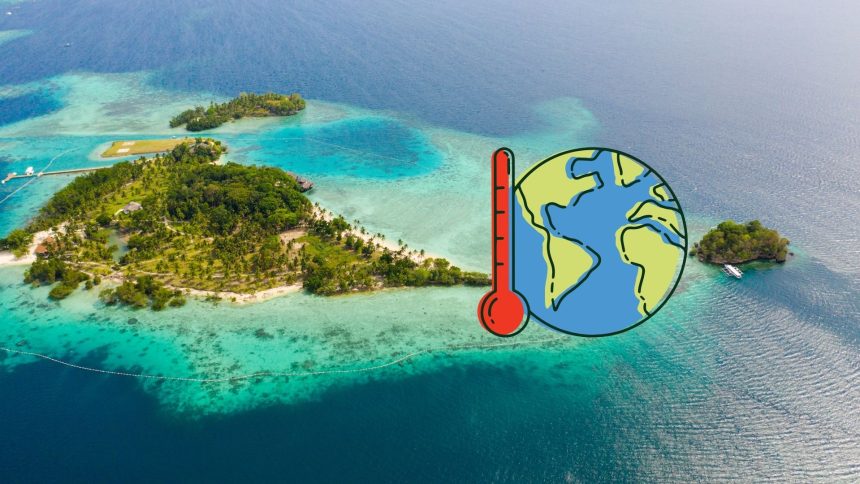
In the vast expanse of the world’s oceans, small island states often exist as shimmering jewels, celebrated for their breathtaking landscapes and rich cultural tapestries. However, beneath this idyllic surface lies a profound reality: these nations are grappling with existential choices that could define their futures. From climate change threatening their very existence to economic dependencies that constrain autonomy, the dilemmas faced by these fragile territories are as complex as their geographies. As rising sea levels encroach upon their coastlines and global economic trends shift, island leaders and communities are poised at a critical juncture.
How they navigate these turbulent waters will not only determine their survival but also shape their identities and resilience in an ever-evolving world. This article delves into the intricate choices that lie ahead for small island states, exploring the multifaceted challenges and potential pathways that will ultimately decide their fate.
Navigating Climate Resilience in Vulnerable Economies
Despite the global grasp of climate change, some societies are more prone to its devastating consequences. Particularly vulnerable are small island states with the potential to bear heavy tolls due to their geographic location, limited size, and economic limitations. They face an existential choice: investing heavily in resilience against climate change, or rising to the challenge of relocating their entire population.
Addressing Climate Resilience
- Adaptive Infrastructure: Investment must be made in infrastructures that can withstand rising sea levels, harsher storms, and increased flooding. This includes sea walls, living shorelines, and buildings resistant to environmental conditions.
- Nature-Based Solutions: Embracing green and blue infrastructure can enhance biodiversity and absorb more carbon, helping lower overall global levels of greenhouse gases.
- Education and Awareness: It’s pivotal to educate the public about the repercussions of climate change and how individual actions can contribute to a larger collective impact.
On the other hand, if investment is either impossible or ineffective, the choice left to these states is to prepare their inhabitants for eventual relocation. This may sound daunting but forging partnerships and agreements with other nations could offer hope and build frameworks for moving populations to safer ground if necessary.
Preparing for Relocation:
| Steps | Examples |
|---|---|
| Establish Agreements | Create bilateral or multilateral agreements with other countries for potential immigration. |
| Relocation Planning | Develop a comprehensive plan for potential relocation including economic, social and cultural integration in new host countries. |
| Reskill Workforce | Train citizens in skills that are in demand in potential host countries to ease integration. |
Ultimately, the decisions small island states make today will dictate their survival and prosperity in a world increasingly defined by climate change. The challenge is enormous, but with global solidarity and cooperation, there is hope for a resilient future.
Fostering Sustainable Development through Local Innovations
Small island states, despite grappling with unique and unprecedented climatic and economic challenges, are setting remarkable examples in sustainable development through pioneering local innovations. These nations are well aware of the existential choices facing them – choices that stem from the critical trifecta of escalating climate change, geographically inherent constraints, and socio-economic vulnerabilities. Yet, they choose to meet these challenges head-on, building innovative, home-grown solutions that not only help them survive but thrive.
The Federated States of Micronesia, for instance, has successfully developed a landscape approach, harnessing traditional knowledge and modern technology to protect their biodiversity and support their livelihoods. Similarly, the Maldives has become a global leader in climate-smart construction, building climate-resilient infrastructure that showcases the transformative potential of green development strategies.
- Palau’s nationwide marine protected area, the Palau National Marine Sanctuary, stands as an exquisite example of local innovation driving sustainable management of marine resources.
- Samoas’ ‘1 Million Trees’ initiative, aimed at enhancing its forest cover and carbon sequestration capacity, is also worth mentioning here.
| Country | Innovation |
|---|---|
| Montserrat | Development of geothermal energy resources |
| Saint Lucia | Adapting SMART agriculture practices |
| Grenada | Harnessing wind energy to reduce dependence on imported fossil fuels |
These local endeavors, while seemingly modest, have far-reaching implications for the global community, reminding us all of the value and potential of localized, context-specific solutions in our collective pursuit of sustainable development. They attest to the fact that size or resources do not limit innovation, proving that sustainable growth can be fostered anywhere with wisdom, resilience, and a clear vision of a greener, more inclusive world.
Strengthening Political Alliances for Global Advocacy
Small island states, often bearing the brutal brunt of global climate change, find themselves at a crossroads. One path leads to isolation and eventually succumbing to the relentless rise of sea levels. The other path involves constructing and solidifying political alliances that can amplify their voice within global forums.
The former option, isolation, may seem appealing to those who value sovereignty and independence. However, being isolated would mean forfeiting a chance to shape global policies that directly affect their survival. Fear of losing control shouldn’t restrict these nations from the opportunity to influence international decisions upon which their future depends.
- Engaging and lobbying with global powerhouses and corporations to attain climate justice.
- Investing in adaptation measures and technologies to increase their resilience against climate forces.
- Formulating a cohesive narrative that underlines their collective vulnerability and the global responsibility towards their preservation.
Harnessing the combined power of these strategies would enable these states to rank high on the priority list of the world. To illustrate the potential of such alliances, one could consider the example of the Alliance of Small Island States (AOSIS). As a coalition, it has managed to position their needs in the heart of United Nations climate negotiations, successfully influencing their outcomes.
| Strategy | Potential Outcome |
|---|---|
| Lobbying | Influence on global climate policies |
| Adaptation measures | Increased resilience against climate impact |
| Cohesive narrative | Global acknowledgement of their vulnerability |
The pursuit of robust political alliances isn’t just a sign of autonomy but an existential choice for smaller island nations. Their survival does not only rest in their hands, but is intertwined with the decisions of larger countries. To secure their future, they must advocate for their place in the grand scheme of things, denying the temptation of isolation, instead choosing inclusion for the betterment of their people and the global community.
Promoting Cultural Identity in the Face of Globalization
In a world increasingly characterized by globalization, the unique cultural identities of small island states stand at a precipice, facing existential choices that may define their future survival. The cultural heritage and identity of these island nations are often intricately tied to their geographical and ecological uniqueness. With globalization spreading its tentacles to every nook and cranny of the world, the risks of cultural homogenization and loss of distinct identities are ever prevalent.
It is crucial for these small island states to make a conscious effort to preserve and promote their cultural identities in the face of this threat. Some strategies they might consider include:
- Emphasis on cultural education: Ensuring that the younger generations are well immersed in the traditional values, customs, and practices of their native culture.
- Protection of intangible cultural heritage: Protecting traditional knowledge, crafts, and folklore that form an integral part of the island’s cultural identity.
- Regulation of cultural commodification: While encouraging cultural tourism as a source of income, there needs to be careful management to prevent commodification and misrepresentation.
| Island State | Major Cultural Heritage | Threat from Globalization |
|---|---|---|
| Hawaii | Hawaiian Music and Hula | Culture commodification in tourism |
| Jamaica | Reggae music and Rastafarianism | Erosion of local music industry by foreign influences |
| Maldives | Dhivehi language and Folklore | Use of English language replacing Dhivehi |
Globalization need not be a death sentence for the unique cultural identities of small island states. With strategic measures and robust governmental will, these states can retain their cultural richness while discovering mutually beneficial connections with the larger world.
The Conclusion
As the sun sets on the horizon, casting its golden hues over tranquil waters, small island states stand at a crossroads. Their existence, like the islands they inhabit, is both fragile and profound, shaped by a delicate interplay of climate, culture, and connectivity. The choices they face are not merely about survival; they are about identity and legacy. Balancing the twin demands of economic development and environmental stewardship, these nations navigate a complex web of global pressures and local aspirations.
In the face of rising sea levels and shifting economies, the path forward is fraught with uncertainty. Yet within this uncertainty lies the potential for innovation and resilience. Small island states, with their unique perspectives and rich traditions, illuminate the broader human experience, prompting us to reflect on our shared responsibility in this interconnected world.
As we contemplate the existential choices before them, let us recognize that the decisions made today will ripple through generations, shaping not only the fate of these islands but also the fabric of our global community. The narrative of survival, adaptation, and hope continues to unfold—a story worthy of our attention and compassion. In honoring their journey, we not only empower small island states, but we also enrich our collective understanding of what it means to thrive amidst change.


