


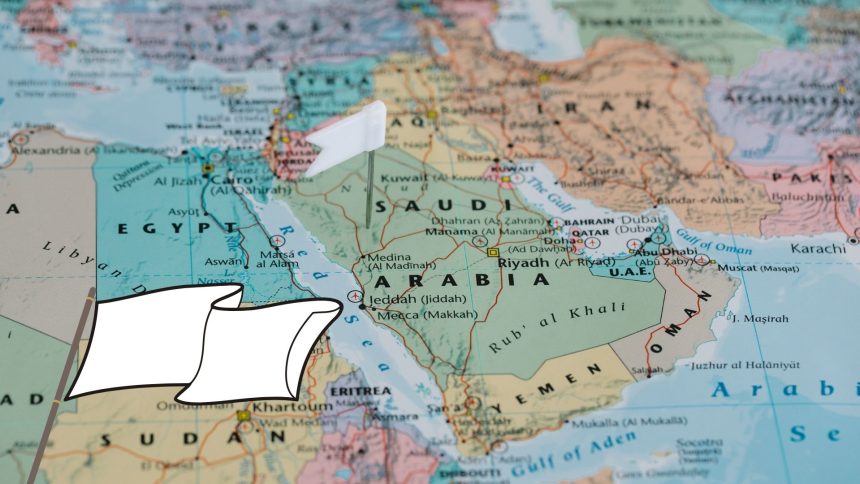
In a significant development on the geopolitical landscape of the Middle East, Israel has officially agreed to a truce in Lebanon, marking a pivotal shift in a long-standing narrative of conflict and tension. As the dust settles on recent clashes, this ceasefire offers a glimmer of hope for stability in a region often marred by strife. But what does this truce entail, and what implications does it hold for the future of both Israel and Lebanon?
In this article, we delve into the details of the agreement, explore its historical context, and unpack the potential consequences for both nations and the broader region. As we navigate through the intricacies of diplomacy and conflict resolution, we invite you to join us in understanding what this fragile pause in hostilities means for the lives affected by decades of discord.
Understanding the Truce: Historical Context and Its Implications
The recent acceptance of a truce by Israel in Lebanon is a significant turn in an ongoing saga of conflicts. While historical underpinnings of these hostilities date back centuries, it is crucial to acknowledge the potential global implications of such a cease-fire. Traditionally, truces have served more than just a hiatus in armed conflict. They have often ushered in periods of negotiation, diplomacy, and, if successful, long-lasting peace treaties. This truce brings with it a myriad of potential effects:
- Regional stability: A halt to the ongoing conflict in Lebanon delivers a semblance of calm to an otherwise tumultuous Middle East.
- Humanitarian relief: The cessation of hostilities also allows for an influx of much-needed humanitarian aids, particularly in regions drastically affected by the war.
- Political repercussions: The truce may also indicate hidden geopolitical realities, such as shifting alliances and a re-evaluation of power dynamics in the region.
However, understanding the context of this truce also requires a look into the historical relationship between Israel and Lebanon. For decades, tensions dictated by territorial disagreements, religious differences, and geopolitical alignments have catalyzed strife between these two nations. The table below reflects key events in this long-standing dispute:
| Year | Event | Impact |
|---|---|---|
| 1948 | Arab-Israeli War | First direct military confrontation between Israel and Lebanon. |
| 1982 | Israel invades Lebanon | Instigates a period of prolonged military conflict between Israel and Lebanon’s Hezbollah. |
| 2000 | Israel withdraws from Southern Lebanon | Marks a turning point but Lebanon demands further withdrawals. |
| 2006 | Second Lebanon War | This ends with a UN-brokered truce but little resolution. |
In the light of these historical precedents, the recent truce needs cautious optimism and a keen eye on the unfolding diplomatic and geopolitical maneuvers. The leaderships of both countries, the actions of influential regional players, and the involvement of international organizations will play crucial roles in determining whether this truce ushers lasting peace or merely serves as an interlude before another escalation.
Key Stakeholders and Their Reactions to the Ceasefire Agreement
The ceasefire agreement in Lebanon has brought contrasting reactions from key stakeholders. Foremost among them is the Israeli government, who after weeks of intense negotiations, have laid down arms in the hopes of establishing a long lasting peace arc. The Israeli Prime Minister, in an official statement, called the ceasefire a ‘step forward in ensuring regional stability’. The Israeli populace, however, remains cautiously optimistic about the truce, with many acknowledging that only time will reveal the true impacts of this decision.
Meanwhile, the Lebanese government has welcomed the agreement with open arms, viewing it as a beacon of hope for a conflict-torn nation. The Lebanese Prime Minister praised the ceasefire, stating it veils a promising future for their nation. Similarly, the public sentiment in Lebanon has also been overwhelmingly positive, with many citizens expressing their relief and hopes for a peaceful future. Nonetheless, there is a cohort who remain sceptical, urging the international community to maintain watchful oversight to ensure the ceasefire agreement is strictly adhered to.
| Stakeholder | Reaction |
|---|---|
| Israeli Government | Cautiously optimistic |
| Israeli Public | Mixed reactions |
| Lebanese Government | Welcomes ceasefire |
| Lebanese Public | Mostly positive with some scepticism |
- International Community: Aforementioned stakeholders are not the only ones affected by this ceasefire. The international community and various non-governmental organizations involved in the region also hold stakes in this truce. With the UN playing a vital role in mediating the discussions leading to the ceasefire, its diplomat has hailed the agreement as a ‘significant milestone for peace’.
- Non-Governmental Organizations: Numerous NGOs working in the region have expressed a guarded optimism about the truce. While welcoming any steps towards peace, these organizations also caution that it’s essential to evaluate the implementation of the ceasefire to ensure its full effectiveness.
The Humanitarian Impact: What the Truce Means for Civilians on Both Sides
The ceasefire agreement between Israel and Lebanon brings a ray of hope for the civilians on both sides. The widespread destruction caused by weeks of fighting has led to enormous loss of life and property, displacement of people, and severe damage to social infrastructure. With this truce in place, the primary focus can now shift to aiding those affected by the conflict, rebuilding shattered lives and communities, and reestablishing some semblance of normality.
Civilians in Israel: They have been living under the shadow of constant rocket attacks, impacting both their physical safety and mental well-being. In this ceasefire period, they can anticipate a respite from the daily threats, allowing them to return to a sense of normalcy. The truce will also enable them to reconstruct targeted public and residential buildings. It will also mean the opening up of economic activities and operations of institutions which have been disrupted.
Civilians in Lebanon: The situation is even more dire. The widespread bombardment has left Lebanon’s infrastructure in tatters and a huge population homeless. For the Lebanese, the ceasefire signifies an opportunity to get much-needed aid and relief services. They can start rebuilding their homes, and public services can begin functioning again.
| Benefits of the Truce |
|---|
| Increased accessibility to humanitarian aid |
| Resumption of closed economic and social activities |
| Reconstruction of damaged infrastructure |
| Boost in morale and mental well-being of civilians |
| Opportunity for displaced individuals to return home |
while this truce brings a temporary respite, the journey towards complete peace and rebuilding is long and arduous. It calls for mutual cooperation, negotiation, and respect for human rights from both sides. May this ceasefire mark the beginning of a peaceful co-existence and a brighter future for the civilians on both sides.</p
Future Prospects: Navigating Peace and Stability in the Region
With the recent news of Israel agreeing to a truce in Lebanon, a tangible wave of hope has surfaced, not only among the war-weary civilian population but also among the international community. This new development could potentially pave pathways towards prolonged peace and stability in the region, thus benefiting its inhabitants by futuristically reducing obscure outbreak of conflict. The truce is a step towards assuring safety while navigating the region’s geopolitical challenges.
Here’s a comprehensive outlook on what this truce signifies:
- Diplomatic Milestone: The truce is an impressive leap in the intricate world of East Mediterranean politics. It arguably fosters strengthened diplomatic connections and facilitates healthy inter-country dialogues.
- Economic Prosperity: Stability often signals economic prosperity. With the cease-fire in effect, cross-border trade and commerce may witness a significant uplift.
- Respite for Civilians: Perhaps the most heartening implication directly impacts the civilian population which has been yearning for peaceful existence and routine normalcy.
The impact of the truce is exemplified in the table below:
| Aspect | Pre-Truce | Post-Truce |
|---|---|---|
| Diplomatic Relations | Contentious | Improving |
| Economic Stability | Unstable | Stabilizing |
| Civilian Welfare | Highly volatile | Enhancing |
While future uncertainties cannot be altogether negated, the truce surely kindles optimism about an era of sustained serenity, progress, and profound national reconciliation. A push towards addressing and hopefully amending contentious historical narratives becomes a viable possibility.
To Wrap It Up
As the dust settles on the recent developments in Lebanon, Israel’s agreement to a truce marks a pivotal moment in a long and complex tapestry of regional dynamics. This decision not only signals a temporary cessation of hostilities but also opens the door to dialogue, diplomacy, and potentially, long-lasting peace. While the path ahead remains fraught with challenges, understanding the implications of this truce offers a glimpse into the shifting alliances and renewed hopes for stability in the region.
As we watch closely, we are reminded that even within the most intricate conflicts, moments of understanding can spark the beginnings of change. In a world where the story is still being written, every ceasefire carries the weight of possibility—each one a chapter waiting for resolution, reconciliation, and perhaps, a brighter tomorrow.


