


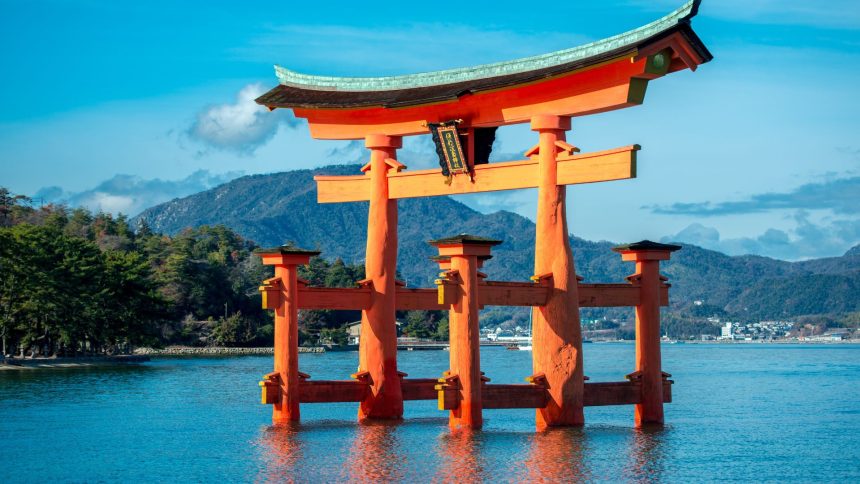
In a world often defined by stark contrasts, few nations encapsulate the delicate balance of tradition and innovation quite like Japan. Renowned for its ancient customs and rituals, the Land of the Rising Sun is also a powerhouse of technological advancement and modernization. As cherry blossoms flutter delicately in springtime gardens, juxtaposed with the gleaming skyscrapers of Tokyo, the story of Japan’s economy unfolds—a narrative rich with contradictions.
This unique interplay between time-honored practices and cutting-edge innovations has not only shaped Japan’s economy and cultural identity but has also left an indelible mark on its economic trajectory. However, these seemingly opposing forces present both opportunities and challenges, influencing growth and progress in a dynamic global landscape. In exploring the intricate dance between Japan’s economy traditional roots and its relentless quest for innovation, we can gain insight into the complexities that define its economic evolution today.
Tradition as a Double-Edged Sword in Economic Development
Japan, intriguingly encapsulates an intriguing confluence of a rich multifaceted tradition and a relentless pursuit of innovation. It is characterized by its meticulously preserved cultural heritage, yet it leads the world in technology and science. This sometimes creates a sense of discord, or dualism, influencing the country’s economic development. It’s like a double-edged sword—on one hand, the culturally ingrained desire for precision and skill perfection significantly contributes to Japan’s industrial strength. On the other hand, the same traditional values can limit economic growth by inhibiting change and placing undue importance on consensus and continuity.
One area where the tension between tradition and innovation is evident is in Japan’s economy and employment structure. There are three vital issues that define the traditional employment system in Japan which seem to be hampering economic development: Lifetime Employment, Seniority Wage System, and Enterprise Unionism. These systems were fundamental during Japan’s post-war rapid economic growth, but today, they often trap workers in jobs that are ill-suited to their abilities and limit mobility within the labor market. Furthermore, they can create systemic inefficiencies that prioritize tradition over the economic benefit. A shift towards more flexible employment practices could potentially inject fresh dynamism into Japan’s economy.
| Structure | Explanation | Impact |
|---|---|---|
| Lifetime Employment | Employees are guaranteed employment till retirement | Restricts labor mobility |
| Seniority Wage System | Employee’s wages increase with age/time in the company | Inhibits efforts to merit-based pay |
| Enterprise Unionism | Trade unions are based on companies not industry | Limits worker’s ability to demand improvements |
finding a balanced approach to infuse innovation within the existing traditional paradigm could be Japan’s path towards sustainable economic growth. Respecting the importance of tradition while embracing the need for change is perhaps the way forward for the Land of the Rising Sun.
Navigating Cultural Heritage and Modern Market Trends in Japan’s Economy
Japan, known for its deep roots in ancient culture and traditions, clamors on a delicate balance between upholding its age-old values and establishing its place in the modern, global market. In recent years, it has managed to bridge its rich cultural heritage and its economic goals, not to dismiss one over the other, but to integrate both aspects in its growing economy. This juxtaposition presents unique challenges and opportunities that drive significant impacts on Japan’s economy and its’ place in the global economy.
Tradition in Business Practices
- Keiretsu – The system of interlocking business affiliations emerged in Japan post-World War II. These conglomerates maintain the age-old tradition of loyalty and long-term business relationships.
- Nenko Joretsu – This refers to a system of promoting employees based primarily on seniority. This practice emphasises respect for elders – a vital element of Japanese culture.
Innovation in Tech Industry
- AI and Robotics – Japan, as a technological powerhouse, puts a strong emphasis on AI and robotics. With the government’s strategy, “Society 5.0,” Japan plans to become the world leader in AI and IoT.
- Automotive industry – Japan is home to some of the world’s leading automobile companies. Innovation and efficiency are at the forefront of Japan’s economy from automotive industry.
The unique mix of tradition and innovation shapes the Japanese economy remarkably. Yet, it also poses challenges as the world trends towards globalization and technological advancement. It’s a tug-of-war between the preservation of cultural heritage and keeping up with modern market trends. Japan, however, has continuously proven its capability to maintain this dynamic balance.
| Top 3 Traditional Japanese Companies | Top 3 Innovative Japanese Companies |
| MUFG Bank | Sony Corporation |
| Sumitomo Mitsui Financial Group | Toyota Motor Corporation |
| Mizuho Financial Group | SoftBank Corp. |
Embracing Innovation While Honoring Time-Tested Practices
The Land of the Rising Sun has for long been one of the most technologically advanced nations in the world. With inventions ranging from bullet trains to humanoid robots, Japan’s economy development has showcased an inherent ability to embrace innovation. At the same time, the nation deeply adheres to conventional customs and practices, employing centuries-old artisanship in many key sectors.
There are several ways Japan melds tradition with innovation:
- Architecture: Many Japanese architects, while employing cutting-edge designs, continue to be inspired by traditional concepts like Fusuma (sliding panels) and Shoji (paper walls).
- Artisanship: While many industries around the world are increasingly employing mass production, in Japan, there is still a significant demand for handcrafted items, blending old-world skills with modern-day product innovation.
- Technology and Manufacturing: Production facilities often incorporate Kaizen – a time-tested methodology for incremental improvements – into the most modern production processes.
These practices, coupled with a constant drive for innovation, have made Japan a fascinating study in contrasts. Yet, these seeming contradictions play a critical role in shaping Japan’s unique economic identity.
This balance between old and new can be seen in the following table, which highlights some sectors and how they manage to seamlessly integrate tradition and innovation.
| Sector | Traditional Practice | Modern Innovation |
|---|---|---|
| Architecture | Fusuma and Shoji | Green building technologies |
| Artisanship | Handcrafted items | 3D printing of traditional designs |
| Technology and Manufacturing | Kaizen | AI and Robotics |
Thus, Japan embodies an inspiring blend of tradition and innovation, creating a comprehensive economic environment that is forward-looking, without losing sight of its rich cultural heritage.
Strategic Recommendations for Balancing Growth and Tradition
In striving to reconcile tradition and innovation, Japan’s economic strategy could benefit from a few key shifts. First and foremost, a greater emphasis needs to be adopted on digital transformation. This involves investing in not only state-of-the-art technology, but also in its people. Upskilling the current workforce and adopting more flexible work practices are vital steps. Here are a few strategic recommendations:
- Embrace Digital Transformation: Invest in emerging technologies like AI, big data, and blockchain, and enable a culture of digital innovation.
- Upskill the Workforce: Facilitate training programs to equip the workforce with digital skills, thereby creating a digital-literate workforce that can drive innovation.
- Adopt Flexible Work Practices: Foster an environment which allows for remote work, shared jobs, and flexible hours to boost productivity.
These strategies can effectively stimulate economic growth, however, they shouldn’t replace traditional values and practices that are deeply ingrained in Japanese society. Traditions like the spirit of ‘Wa’ (harmony) and the concept of ‘Omotenashi’ (hospitality) are fundamental to the Japanese ethos and have played a major role in shaping Japan’s unique service industry. It’s imperative that future growth doesn’t undermine these values.
| Strategy | Impact on Growth | Impact on Tradition |
|---|---|---|
| Digital Transformation | High | Moderate |
| Upskill Workforce | High | Low |
| Flexible Work Practices | High | Low |
while pushing for growth and innovation, Japan must take care to retain its unique cultural ethos. A blend of new age strategies and centuries-old traditions will create a sustainably growth-driving yet culturally rich economic landscape.
Key Takeaways
In the intricate tapestry of Japan’s economy, the threads of tradition and innovation weave a fascinating yet complex narrative. As the nation navigates the waters of global competition and technological advancement, it stands at a unique crossroads where age-old customs meet cutting-edge ideas. This duality not only shapes the economic landscape but also reflects the broader cultural identity of a society that values both its storied past and its dynamic future.
In the unfolding chapters of Japan’s economic story, the tension between honoring tradition and embracing change will continue to play a pivotal role. The ability to harmonize these elements may very well determine the trajectory of Japan’s growth in the years to come. As we look forward, the world will be watching this enduring juxtaposition, curious to see how a nation steeped in history will leverage its legacy to innovate and thrive in an ever-evolving global arena. Thus, the dialogue between tradition and innovation will remain central—a conversation that not only influences Japan’s economic future but also enriches our understanding of the delicate balance that shapes civilizations worldwide.


