


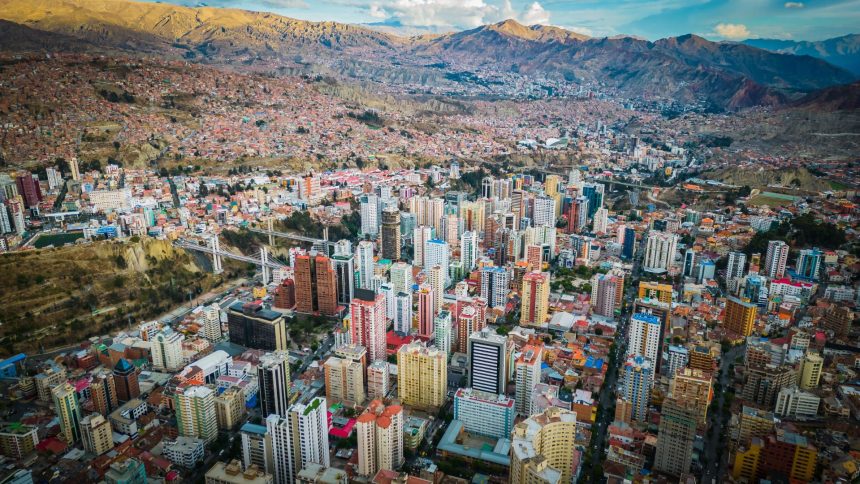
In the heart of a continent that pulses with vibrant cultures and rich histories, Latin America stands at a crossroads, shaped by the tides of change that ripple through its diverse landscapes. From the bustling streets of São Paulo to the serene peaks of the Andes, the region is a tapestry woven with threads of tradition, innovation, and social transformation. As we delve into Latin America’s ever-evolving landscape, we uncover not only the challenges it faces—be it economic fluctuations, political shifts, or environmental concerns—but also the stories of resilience and adaptation that emerge from its communities.
This exploration seeks to provide a nuanced perspective on how local dynamics and global forces intertwine, offering insights and analysis to illuminate the complexities of Latin American life today. Join us on this journey through a region alive with possibilities, where each change is a reflection of a deeper narrative, beckoning us to look closer and listen more intently.
Navigating Economic Shifts in Latin America
In less than a decade, economic priorities have seen drastic shifts in Latin America, compelled by global influences and domestic policy changes. Markets, often led by technology innovation and materialized by youthful entrepreneurs, have the potential to redefine economic realities. Trade tensions between superpowers, climate risks, and digital transformations are among the forces that are aligning the region’s economic outlook. This interplay between domestic adaptability and international pressure has led to a dynamic and ever-evolving economic landscape.
Let’s delve into the various influential sectors shaping Latin America’s economy:
- Technology – With a digitally literate demographic, the tech sector has been a promising growth opportunity, and has transformed various industries from e-commerce to fintech.
- Agriculture – This sector has remained a stronghold, with Latin America becoming a major global food supplier. Nonetheless, the region must tackle challenges brought about by climate change and maintain sustainable practices.
- Manufacturing – Despite global contraction, there’s an ongoing evolution in the sector with a promising future in areas such as electric vehicle production and bio-economy.
- Services – As the region moves towards digitization, services such as e-commerce, digital banking, and telemedicine are on the rise.
These trends are demonstrated in the table below showing the percentage contribution of each sector:
| Sector | Percentage Contribution (%) |
|---|---|
| Technology | 20 |
| Agriculture | 30 |
| Manufacturing | 25 |
| Services | 25 |
The right approach involves navigating the economic shifts wisely. Business strategies need to be tailored to accommodate these changes, and leaders who anticipate and adapt will be better positioned for success in Latin America’s ever-evolving landscape.
Cultural Resilience and Identity in a Changing World
In the breadth of Latin America’s vibrantly diverse societies, there lies a rich tapestry of cultural resilience that has fiercely withstood centuries of change. From the hot salsa rhythms of Cuba, to the mystical Mayan ruins in Mexico, each culture exudes an enduring identity pervading the inexorable forces of globalization and geopolitical upheaval. These myriad ways in which Latin culture preserves its identity epitomizes resilience in the face of continuous upheaval.
The Key Role of Music and Dance
Music and dance vividly illustrate the resilient strength of Latin America’s cultural identity. In Argentina, the soulful tango has transcended its humble roots, morphing into a global phenomenon while preserving its gritty, passionate essence. Samba, with its accelerated beats and seductive dance moves, continues to define Brazil’s lively spirit despite evolving trends and styles.
In both these instances, we observe that rather than succumbing to global homogenization of culture, these countries have managed to integrate change, while upholding their distinctive cultural flavours.
| Country | Cultural Exhibit |
|---|---|
| Argentina | Tango |
| Brazil | Samba |
Gastronomy: A Unifying Factor
On another hand, gastronomy plays a pivotal role in upholding Latin American cultural identity. Mexican cuisine, now recognised by UNESCO as a cultural heritage, is an amalgamation of pre-Columbian and Spanish cooking styles. Meanwhile, Peru’s gastronomic revolution showcases indigenous ingredients and cooking methods, bringing the country’s rich cultural heritage to a wider audience. In both cases, despite influences from abroad, traditional culinary practices have upheld their enduring roots.
After analyzing these examples, we can ascertain that culture, as an amorphous entity, evolves yet preserves its core. Latin America’s culture, admired and celebrated worldwide, is a testament to the region’s resilience as it continues to assert its identity in an ever-changing world.
Environmental Challenges and Sustainable Solutions
In the face of increasing environmental demands, Latin America’s ecological landscape captures a myriad saga of its fight against environmental challenges. The region hosts 40% of the world’s biodiversity, yet it is grappling with an escalating deforestation rate, primarily fueled by unregulated agriculture, infrastructural expansion, logging, and wildfires. Added to these, the unabated growth of urban centers and extensive mining activities further threaten the fragile ecosystems. The question then arises, how can the region align with the global push towards sustainability?
Unlocking Sustainable Solutions: A Paradigm Shift
- Adoption and Promotion of Sustainable Agriculture: A stark transition to sustainable farming practices: agroecology and organic farming can significantly reduce pressure on forests and ensure long-term productivity.
- Engaging Indigenous Wisdom: Indigenous communities have preserved forests for centuries offering innovative conservation solutions. Collaborating with and empowering these communities can secure valuable knowledge for sustainable forest management.
- Implementing Stringent Regulations: Enforcing strict regulatory measures on illegal logging, mining and overfishing can help maintain ecological balance. Integrating technology can enhance monitoring and accountability.
- Investing in Renewable Energy: With abundant solar and wind resources, Latin America holds high potential for renewable energy. Investment in and shift towards renewables can reduce the region’s dependency on fossil fuels.
| Environmental Challenges | Proposed Sustainable Solutions |
| Escalating Deforestation | Sustainable Agriculture |
| Urban Expansion & Mining | Stringent Regulations & Indigenous Collaboration |
| Dependence on Fossil Fuels | Investment in Renewable Energy |
With a collective effort from governments, organizations, and communities, Latin America has the potential to overcome its environmental challenges and pave the way for a more sustainable future. A shift in focus from short-term gains to long-term sustainable practices can usher a new epoch of ecological preservation, securing livelihoods, biodiversity, and climate stability for forthcoming generations.
Political Dynamics and Their Impact on Regional Stability
As we look at Latin America’s evolving political landscape, it is unmistakable that the region’s stability is significantly affected by these political dynamics. Echoes of populist ideologies, both on the left and the right, create an exhilarating roller-coaster ride for policy-makers and citizens alike. For example, in countries like Argentina and Brazil, we have seen dramatic shifts in political leadership that have sent ripples of change throughout their socio-economic structure.
These transformations aren’t just domestic issues—they have far-reaching effects on the regional stability as well. Examining three key influences painted across Latin America’s political canvas can give us deeper insight into the region’s dynamics:
- Diplomatic Relationships: Politics does not exist in a vacuum. The alliances, tussles, and overall diplomatic patterns play a pivotal role in shaping regional stability. Notably, Latin America’s political landscape is often marked by its relationship with global powers, such as the USA and China.
- Internal Governance: In countries such as Chile and Peru, citizen-driven demands for constitutional changes indicate a significant shift in internal governance structures that may ripple across borders as well.
- Socio-economic Policies: The strategies and policies pursued by governing parties, from economic reforms to social welfare initiatives, hold the potential to tilt the scales of regional stability in one direction or the other.
| Country | Major Political Shift | Potential Impact |
|---|---|---|
| Argentina | Return to Peronism | Renewed focus on social welfare and potential strain on fiscal resources |
| Brazil | Rightward shift under Bolsonaro | Deregulation and potential environmental concerns |
| Venezuela | Continued economic crisis under Maduro | Escalated emigration and potential humanitarian crisis |
Keeping track of these political dynamics and understanding their potential impacts is not just of interest to policymakers and economists—it’s also crucial for anyone aiming to navigate the hurdles and opportunities of this dynamic region.
Wrapping Up
As we draw the curtains on our exploration of Latin America’s dynamic and ever-evolving landscape, it becomes clear that this vast region is much more than a collection of countries. It is a tapestry woven with threads of culture, history, and aspiration, each contributing to a narrative that is both complex and compelling. The challenges faced by nations here are significant, yet they are met with resilience and innovation that reflect the spirit of their people.
From the bustling streets of São Paulo to the serene mountains of the Andes, the stories of economic growth, social transformation, and cultural renaissance resonate. As the winds of change continue to blow through cities and countrysides alike, the future holds both opportunities and uncertainties. Understanding this ever-shifting landscape requires not only analysis but also an appreciation for the rich diversity that defines Latin America.
As we conclude, let us remain open to the unfolding chapters of this region, paying heed to the voices and visions that will undoubtedly shape its trajectory in the years to come. The evolution of Latin America is not just a story of transformation; it is an invitation to engage, learn, and grow alongside its vibrant communities. The journey continues, and there are countless more insights to uncover, making this a truly exciting time to watch and participate in Latin America’s ongoing narrative.


