


In a significant development for the renewable energy sector, researchers and companies are racing to revolutionize lithium extraction methods, making them not only faster but also more environmentally friendly. As global demand for lithium surges—driven by the booming electric vehicle market and the quest for sustainable energy solutions—traditional extraction processes have come under scrutiny for their ecological impact.
However, innovative technologies and sustainable practices are emerging that promise to streamline the extraction process while minimizing harm to the environment. This shift not only holds the potential to enhance supply chains but also aligns with the broader goals of reducing carbon footprints and combating climate change. In this article, we delve into the latest advancements in lithium extraction and explore how this vital resource can be harnessed in a way that supports a greener future.
Table of Contents
- Innovations Driving Faster Lithium Extraction Processes
- Sustainable Practices Transforming the Lithium Mining Industry
- Regulatory Changes Catalyzing Green Technologies in Lithium Production
- Future Outlook: Balancing Demand and Environmental Responsibility in Lithium Supply链
- Q&A
- Closing Remarks
Innovations Driving Faster Lithium Extraction Processes
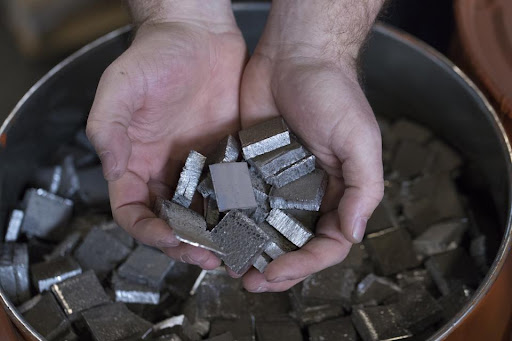
Recent advancements in lithium extraction technologies are reshaping the industry landscape, heralding a new era characterized by efficiency and sustainability. Companies are increasingly adopting ion-exchange methods, which utilize selective resins to capture lithium from brine more swiftly than traditional evaporation techniques. This innovative approach not only reduces the time required for extraction but also minimizes land use and water consumption, making it a greener alternative. Moreover, the integration of direct lithium extraction (DLE) techniques showcases significant potential. By employing solvents or electrochemical processes, DLE facilitates a quicker separation of lithium from other minerals, leading to higher yields in less time.
Additionally, innovative collaborations between tech firms and mining companies are paving the way for the development of smart extraction systems. These systems leverage machine learning and big data analytics to optimize extraction parameters in real-time, enhancing overall productivity. Key benefits include:
- Improved resource mapping: Using geospatial data to locate lithium reserves more accurately.
- Reduced environmental footprint: Less waste and lower emissions through optimized processes.
- Cost efficiency: Streamlined operations leading to reduced operational costs.
| Technology | Benefits | Application |
|---|---|---|
| Ion-Exchange | Faster extraction, less water | Brine sources |
| Direct Lithium Extraction | Higher yields, shorter time | Hard rock and brine |
| Smart Extraction Systems | Real-time optimization | All extraction methods |
Sustainable Practices Transforming the Lithium Mining Industry
The lithium mining sector is undergoing a significant transformation, driven by the urgent need for sustainable practices. Companies are now adopting innovative methods that not only reduce environmental impact but also enhance extraction efficiency. A prime example is the shifting focus toward brine extraction techniques, which utilize solar evaporation in arid regions. This method minimizes water usage and reduces carbon emissions as it eliminates the need for extensive mining operations. Moreover, advances in technology are allowing for the implementation of closed-loop systems, which recycle water and other resources, further promoting sustainability.
In addition to technological innovations, collaboration across industries is becoming increasingly important. Partnerships between lithium producers and environmental organizations are fostering initiatives aimed at establishing best practices. Key players are also investing in reclamation projects, restoring ecosystems that have been disrupted by mining activities. As the industry embraces these sustainable strategies, a new table of metrics emerges, illustrating the positive impacts:
| Metric | Before Sustainable Practices | After Adoption |
|---|---|---|
| Carbon Emissions | 500 tons/year | 200 tons/year |
| Water Usage | 1,000,000 liters | 300,000 liters |
| Land Rehabilitation | 10% reclaimed | 50% reclaimed |
This clear shift not only aligns with global sustainability goals but also ensures a more responsible lithium supply chain, catering to the rising demand for electric vehicles and renewable energy storage solutions.
Regulatory Changes Catalyzing Green Technologies in Lithium Production
The evolving regulatory landscape is significantly accelerating the adoption of environmentally friendly practices in lithium production. Recent legislative measures aimed at reducing greenhouse gas emissions and promoting clean energy initiatives are compelling lithium manufacturers to innovate and adapt. Key regulations focus on the following aspects:
- Emission Standards: Stricter limits on carbon emissions are driving companies to adopt cleaner technologies.
- Incentives for Renewable Energy: Financial support and tax breaks for facilities utilizing renewable energy sources in lithium extraction.
- Sustainability Certifications: New requirements for companies to obtain certifications, ensuring their practices align with global sustainability goals.
These regulatory shifts are not just creating a compliance framework but are also fostering collaboration within the industry. Industry players are increasingly partnering with research institutions to develop innovative technologies that minimize environmental impact while maximizing efficiency. The following table highlights some notable initiatives arising from these changes:
| Company | Initiative | Impact |
|---|---|---|
| Company A | Solar-Powered Lithium Extraction | Reduces energy consumption by 40% |
| Company B | Water Recycling Innovations | Minimizes water usage by 30% |
| Company C | Geothermal Assisted Extraction | Decreases CO2 emissions by 50% |
Future Outlook: Balancing Demand and Environmental Responsibility in Lithium Supply链
The future of lithium extraction hinges on a delicate balance between skyrocketing demand and environmental stewardship. As the electric vehicle and renewable energy markets continue to expand, the pressure on lithium suppliers to ramp up production is palpable. However, traditional extraction methods often result in significant environmental degradation, including water scarcity and soil contamination. Companies are now embracing innovative techniques such as direct lithium extraction (DLE), which significantly reduces the footprint of mining operations. This method allows for faster recovery rates and minimizes environmental disruption, presenting a compelling case for a sustainable future in lithium supply.
This shift towards environmentally responsible practices is further supported by the adoption of rigorous regulatory frameworks and advocacy from environmentally-conscious investors. Many companies are now committing to ambitious sustainability goals, such as achieving net-zero emissions by 2030. Key strategies in this movement include:
- Investment in Renewable Energy: Utilizing solar and wind power to run extraction operations.
- Water Conservation Technologies: Implementing advanced techniques to reduce water usage.
- Recycling Initiatives: Fostering circular economies by recycling lithium from old batteries.
As the industry evolves, forward-thinking producers will likely shape their practices to align with both market demands and environmental imperatives, ensuring that lithium remains a cornerstone of the green energy revolution.
Q&A
Q&A: Lithium Extraction Gets Faster and Greener
Q: What recent developments have been made in lithium extraction technologies?
A: Recent advancements in lithium extraction technologies have focused on increasing efficiency while minimizing environmental impact. Researchers and companies are now employing innovative techniques, such as direct lithium extraction (DLE), which drastically reduces extraction time and water usage compared to traditional methods like evaporation ponds. These new methods can streamline the process and cut down on the carbon footprint associated with lithium mining.
Q: How does direct lithium extraction work?
A: Direct lithium extraction involves the use of various chemical processes or technologies to selectively separate lithium from brines or hard rock sources without the lengthy evaporation process typically employed in traditional lithium extraction. Techniques such as solvent extraction, ion exchange, and membrane filtration allow for a more rapid and efficient recovery of lithium, resulting in purer materials and lower environmental impact.
Q: What are the environmental implications of these new extraction methods?
A: The environmental implications are significant. Traditional methods of lithium extraction, often requiring expansive evaporation ponds, can deplete local water resources and disrupt ecosystems. Advanced DLE technologies promise to use less water—some technologies reporting reductions up to 90%—and require less land area, thereby helping to preserve local habitats and reduce pollution. This shift aligns with global sustainability goals as demand for lithium surges in the context of electric vehicle and renewable energy growth.
Q: Why is lithium extraction becoming increasingly important?
A: Lithium has become a critical component in the production of batteries, particularly for electric vehicles (EVs) and renewable energy storage systems. As the world transitions away from fossil fuels and seeks to reduce carbon emissions, the demand for lithium-ion batteries is expected to skyrocket. This has made efficient, eco-friendly extraction methods a priority for both industry and environmental leaders.
Q: Who are the main players in this field, and what are they doing to promote greener practices?
A: Several major mining companies and startups are investing heavily in DLE technologies and sustainable mining practices. Established firms like Albemarle and SQM, as well as newer entrants like Lithium Americas and Enlitic, are researching and implementing DLE methods. Additionally, partnerships with technology firms specializing in innovative extraction techniques are helping to accelerate the transition to greener practices within the industry.
Q: What challenges remain for the lithium extraction industry?
A: Despite the progress made, there are still challenges to face. The scalability of new technologies, the cost of implementation, and regulatory hurdles in various jurisdictions can create barriers to widespread adoption. Furthermore, maintaining a balance between accelerating lithium production and safeguarding environmental integrity requires ongoing dialogue among industry stakeholders, local communities, and policymakers.
Q: Looking ahead, what can we expect for the future of lithium extraction?
A: As the global demand for lithium continues to rise, it’s expected that the industry will increasingly adopt more sustainable practices and technologies. Ongoing innovations in extraction methods are likely to improve efficiency and reduce environmental repercussions further. Governments and corporations may also enhance their commitments to responsible mining practices, which could result in stricter regulations and certifications aimed at ensuring that lithium is sourced sustainably.
Closing Remarks
the advancements in lithium extraction technology signify a pivotal moment for both the industry and the environment. As demand for lithium continues to surge, particularly in electric vehicle production and renewable energy storage, the drive towards faster and greener extraction methods is not just a necessity but a crucial step towards sustainable development. By integrating innovative techniques that reduce water usage, lower carbon emissions, and minimize ecological disruption, the lithium sector is positioning itself to meet the challenges of the future. As these technologies gain traction, they promise not only to enhance production efficiency but also to support global efforts in combating climate change. With a focus on sustainability, the lithium industry is set to play a vital role in the transition to a greener economy, offering hope for a more environmentally conscious future.


