


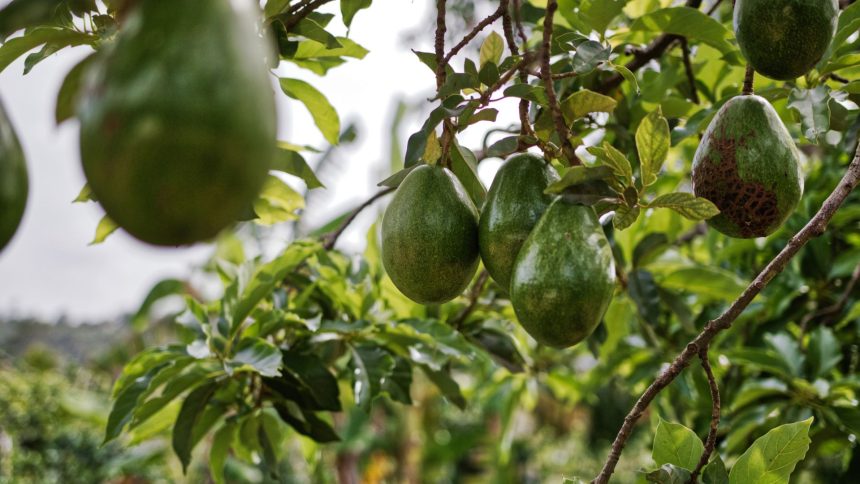
In the sun-drenched valleys of Mexico, where lush avocado orchards sway gently in the breeze, a silent struggle is unfolding beneath the rich green canopy. Once celebrated for its contributions to local economies and global cuisine, Mexico’s avocado industry now grapples with an array of environmental challenges that threaten its very foundation. As the demand for this beloved fruit continues to soar, so too do the pressures on the ecosystems that sustain it.
From water scarcity and deforestation to biodiversity loss, the complexities of avocado cultivation reveal a tantalizing yet troubling tale. In this article, we delve into the intricate dynamics of Mexico’s avocado industry, exploring the delicate balance between agricultural success and environmental stewardship in a world increasingly aware of the impact of its consumption choices.
Impact of Intensive Farming Practices on Biodiversity
Underneath the picturesque green canopies marking the expanses of avocado plantations in Mexico hides a grim reality. As the world’s largest exporter of avocados, Mexico’s fertile regions are its green goldmines but at a high environmental cost. Intensive avocado farming practices have led to unchecked deforestation, resulting in a significant loss of biodiversity and ecological imbalance. Unique flora and fauna that once thrived in these regions have seen a massive decline, destabilizing the ecological pyramid.
The mono-cropping of avocados has a severe negative impact on biodiversity, leading to the reduction of native species and the simplification of ecosystems.
- Species like the monarch butterfly, dependent on the native forests for migration, face endangerment.
- Native vegetation like the pine and fir forests are rapidly disappearing, affecting the species reliant on them.
- Water resources in these regions are depleting due to avocado’s high water requirements, causing hydrological imbalances.
| Factors | Impact |
|---|---|
| Deforestation | Loss of habitat and biodiversity |
| Water extraction | Hydrological imbalance, affecting aquatic species |
| Single-crop cultivation | Reduction in flora and fauna diversity |
| Chemical usage | Soil degradation and contamination, impacting terrestrial species |
These practices not only compromise the environmental integrity of their regions, but also lay a shaky foundation for long-term sustainability of the avocado industry. There’s a growing urgency for adopting environmentally-friendly farming practices to mitigate these challenges and strike a balance between economic progress and environmental conservation.
Water Scarcity and the Sustainability of Avocado Cultivation
In recent times, Mexico’s lucrative avocado industry has come under increased scrutiny. With the growing international demand for avocados, production in Mexico has skyrocketed, leading to widespread deforestation and water scarcity issues. Being a water-intensive crop, avocado cultivation is exacerbating the water shortage crisis. In Michoacán, Mexico’s leading avocado producing region, it is estimated that 1,000 liters of water are required to grow just one kilogram of avocado, a striking comparison to the 50 liters needed to grow one kilogram of tomatoes.
The alarming relationship between avocado farming and water scarcity is a pressing one. Over-extraction of groundwater for irrigation coupled with poor management practices are resulting in a decline of water tables. Depletion of underground water reserves is also contributing to a decrease in water availability, thereby affecting the local communities’ water security. These factors are posing a significant challenge to the sustainability of avocado farming in Mexico.
- Cultivation area: approx. 150,000 hectares
- Water usage per kg of avocados: 1,000 liters
- Water usage per kg of tomatoes: 50 liters
| Key Factors Impacting Sustainability | Description |
|---|---|
| Deforestation | Increased avocado cultivation leads to large-scale forest clearing |
| Water Scarcity | Avocado farming significantly contributes to water shortage issues |
| Poor Management Practices | Inefficient irrigation and extraction of groundwater negatively impacts water tables and reserves |
Attention must be drawn towards building environmentally sustainable practices in this industry. With an understanding of the immense value avocados bring to Mexico’s economy and the world’s health, it’s crucial to strike a balance that can ensure the availability of this superfood without compromising the health of the environment and the community’s resources.
Community Involvement in Reducing Environmental Footprint
The avocado industry in Mexico is facing stern environmental challenges due to the expansive monoculture, draining of water resources and deforestation. As one of the significant contributors to Mexico’s economy, the avocado industry is an essential sector. But, at what cost is this prosperity achieved? The environment seems to be paying a hefty price, and it is so high a price that the industry’s sustainability is in question.
Community involvement is critical in curbing these environmental challenges. A number of communities in the avocado-growing regions of Mexico have initiated steps towards reducing the footprint left by this industry. Evidently, their enthusiasm shows how a small group of determined individuals can trigger a massive change. Here are some noteworthy steps:
- Planting indigenous trees to recover the lost forest cover. It not only provides a natural habitat for local flora and fauna, but also helps to replenish water resources, proving to be a long term, sustainable solution.
- Implementing water management practices to conserve water. These include harvesting rainwater, reducing water usage in avocado cultivation, and adopting sustainable irrigation methods.
- Promoting organic avocado growth to cut down on the use of fertilisers and pesticides. Something as simple as using bio-degradable avocado net bags could significantly contribute to reducing the environmental footprint.
- Implementing a recycling program to manage waste from avocado production effectively. This includes composting organic waste and ensuring responsible disposal of non-biodegradable waste.
| Initiative | Impact on Environment |
|---|---|
| Planting indigenous trees | Restoring local ecosystems and bolstering water resources |
| Water management practices | Ensuring longterm availability of water |
| Organic farming | Minimising soil and water contamination |
| Recycling Program | Effective waste management |
It’s a collective effort, and every contribution counts. By adopting more sustainable practices, communities can encourage a healthier relationship with the environment and ensure a secure future for Mexico’s avocado industry.
Innovative Solutions for a Greener Avocado Industry
With the global demand for avocado not looking to slow down anytime soon, it is critical for the industry to adopt innovative solutions to overcome the environmental challenges they face. These include deforestation, water shortages, and soil depletion. Let’s take a closer look at how Mexico, the world’s largest exporter of avocados, is tackling these problems in a bid to create a greener avocado industry.
One of the foremost efforts being undertaken is the implementation of sustainable farming practices. This includes harnessing modern technology to ensure efficient water usage and also utilizing organic compost to mitigate soil depletion. Additionally:
- Solar panels are used to power farms,
- Drip irrigation systems replace traditional irrigation methods, greatly conserving water,
- Organic compost used extensively as a natural fertilizer reduces harmful chemical runoff into the environment.
In addition to these, stepping up reforestation efforts and discouraging illegal deforestation are crucial. Standalone efforts from individual farmers are being complemented with government imposed environmental regulations. Avocado farming groups in Mexico are also coming together to pledge their commitment to sustainable farming and are contributing to local community investments.
Let’s look at some statistics which show the difference these changes are making:
| Practice | Impact |
|---|---|
| Solar Panel Usage | 30% reduction in carbon emissions |
| Drip Irrigation | 50% reduction in water usage |
| Organic Compost | 40% reduction in chemical fertilizer usage |
| Reforestation Efforts | 20% increase in forest cover |
The positive impact seen from the adoption of these innovative solutions paints a promising picture for the future of a greener avocado industry. It is clear that the responsibility of environmental preservation falls not only on the producers but also consumers who can choose to support sustainable growers. The path to green solutions may be fraught with challenges but the rewards reaped would definitely be worth it.
The Way Forward
As we peel back the layers of Mexico’s booming avocado industry, it becomes clear that this green gold, while a source of economic prosperity, is also entwined with complex environmental challenges. From the stunning landscapes of Michoacán to the bustling markets of urban centers, the journey of the avocado is a double-edged sword. Balancing the demands of consumers with the health of ecosystems will require innovative solutions and collaborative efforts.
Going forward, it is essential for stakeholders—from farmers to policymakers—to engage in sustainable practices that honor the land and its resources. As the popularity of avocados continues to rise globally, the onus rests on all of us to advocate for a future where the enjoyment of this beloved fruit does not come at the expense of our environment. The path ahead may be fraught with challenges, but with thoughtful action and awareness, it is possible to cultivate both the avocado industry and the planet in harmony. In this delicate balance lies the promise of a more sustainable future for Mexico and the world at large.


