


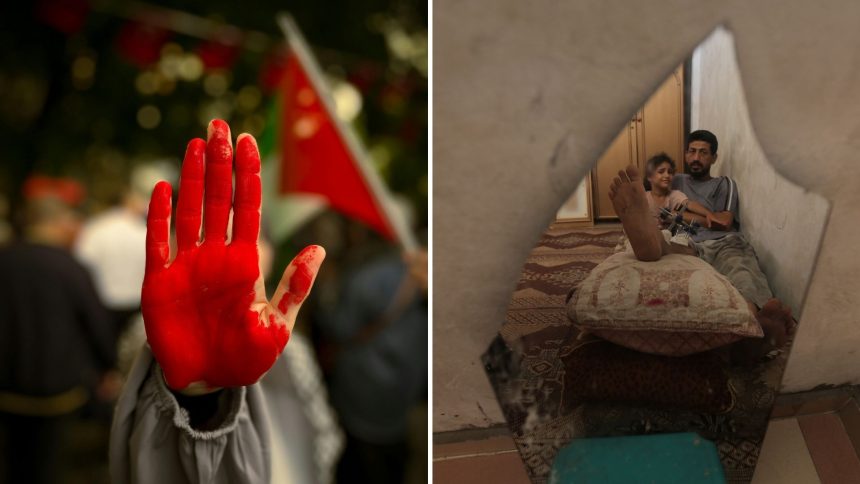
In the heart of the Middle East, a landscape once emblematic of resilience and unity now bears the scars of conflict and division. For many families, the struggle against the backdrop of war has led to profound displacement, leaving homes, communities, and dreams abandoned amidst the chaos. Yet, as the echoes of violence start to fade and the dust of turmoil begins to settle, a flicker of hope emerges on the horizon. Families, once uprooted from their roots, are embarking on a journey back to the places they once called home.
This article explores the poignant stories of return amidst uncertainty, examining the complexities of rebuilding lives and communities in the aftermath of devastation. Through these narratives, we delve into the challenges faced by those seeking to reclaim their pasts, as well as the resilience and courage that mark their journey forward. In a region marked by strife, the path to homecoming is paved with both heartache and hope, illuminating the human spirit’s unwavering quest for belonging and peace.
The Journey to Homecoming: Stories of Resilience Amidst Destruction
The beacon of resilience among the despair-ridden faces, the sand-marked loss written on their hearts, families across the Middle East are daring to hope. Despite years of war-induced atrocities, homes being reduced to ruins, and lives being irrevocably changed, there is an air of cautious optimism. As peace gradually permeates through the war-torn streets, families uprooted by violence and destruction are beginning their journey back home.
- Rebuilding: Picking up the shards of their shattered existence, families and communities work tirelessly to put pieces back together. Undeterred by the magnitude of devastation, the spirit of rebuilding echoes through the rubble-filled streets.
- Reliving: Each brick, each cornerstone resonates the memories of a past life, conjuring enchanting tales of shared laughter, silent sorrows, and resilient survival.
- Rekindling: As they kindle dying embers from their past, families carry a torch, a beacon that lights up their path to homecoming. It’s not just their homes they resurrect; it’s fragments of their identities, their past and their heritage.
| Challenges | Responses |
|---|---|
| Lack of Infrastructure | Community-driven rebuilding efforts |
| Scarcity of Resources | Shared communal resources and aid |
| Persistent Insecurity | Community watch groups and rebuilding trust |
Despite the daunting challenges – the painstaking process of restoration, the emotional turmoil, and the ever prevailing uncertainty, these families are not backing down. The unity, resilience, and relentless hope displayed by these souls speaks volumes about their invincible spirit. The Middle East, amidst its turmoil, is finding hope within its own unyielding people and the daunting journey to homecoming continues – one resilient step at a time.
Infrastructure and Stability: The Foundation for Successful Returns
In the wake of the unending conflict that has ravaged the Middle East for years, astounding tenacity and strength is being shown by families now daring to return home. These individuals, undeterred by the lurking shadows of the past, are now rebuilding their lives amidst the debris of what was once their homeland. Despite the challenges and hazards, the restoring process has begun, and this narrative of displacement back to settlement underscores the vital role played by two monumental factors: infrastructure and stability.
The first step towards turnover is the rebuilding of infrastructure. Unfortunately, years of relentless conflict have reduced the physical foundation of many cities to rubble.
- Reconstruction of Basic Facilities: Schools, hospitals, public transport, and sanitation systems must be top priorities. These stand as the pillars of any thriving society and their restoration will greatly facilitate resettlement.
- Restoration of Utilities: Continued access to electricity, clean water, and efficient waste management are prerequisites for a decent quality of life and need to be re-established.
| Facility | Status |
|---|---|
| Schools | Under reconstruction |
| Hospitals | Under reconstruction |
Parallel to infrastructural rebuilding, establishing stability plays a pivotal role in successful returns. Stability here is encoded in various forms:
- Political Stability: Establishing a functional and responsible government is vital to oversee the reconstruction process and maintain law and order.
- Economic Stability: An economic strategy that fosters job provision, business growth and investment will accelerate recovery and ensure prosperity in the long run.
| Stability Index | Current Scenario |
|---|---|
| Political Stability | Progressing |
| Economic Stability | In development |
The intertwined dance of infrastructure and stability is the guiding light for these brave families as they steer their way through the path of return and recovery. Their journey, while arduous, represents the resilience of the human spirit and the unyielding desire for a place to call home.
Supporting Returning Families: The Role of International Aid and Community Initiatives
The aftermath of war cumulates in numerous unspeakable tragedies, one of the most prominent being the displacement of families from their homes. In recent years, there has been a swell of displaced families finally returning home in the Middle East. While many are overjoyed to be back on their home’s land, the destruction left by the war makes it impossible to pick life back up where they left. This provokes the urgent need for a concerted effort both from the international community and local initiatives to provide support to these returning individuals and families.
Foreign aid plays an important role in assisting these families and provides resources that directly impact their basic needs such as food, shelter, medication, and sanitary facilities. The United Nations, World Bank, and various NGOs are a few of the bodies endeavouring to catalyse this change. Furthermore, numerous local community initiatives work directly with these families extending their support beyond physical needs to emotional and psychological assistance, thereby making a substantial difference in their lives.
| International Entity | Type of Aid Provided |
|---|---|
| United Nations | Emergency response, healthcare, education |
| World Bank | Financial aid, infrastructure rebuilding, economic recovery |
| Various NGOs | Food security, housing, mental health support |
Thus, the task of supporting returning families is a hybrid responsibility shared between the international community and grassroots organizations. While the former can meet immediate needs through their large-scale operations, the latter can cater to the specific requirements of the community. As this delicate process continues, the collective hope is to restore normalcy and rebuild lives shattered by the perils of war. The journey is long, but every step taken, every helping hand extended, contributes positively towards this daunting task. Each one of us can be that positive contribution.
Navigating Challenges: Ensuring Safe and Sustainable Reintegration
The resurgence of stability in the once war-torn regions of the Middle East has prompted the return of many displaced families. However, this journey homeward is not without its challenges. From the remnants of conflict to the reconstruction of infrastructure, the process is fraught with obstacles.
Key factors that affect the success of reintegration include the level of community acceptance, the presence of adequate health facilities, access to education and economic opportunities. It is also crucial to address any lingering tensions or trauma, as these issues can impede the smooth reintegration process.
- Community Acceptance: Uprooted families returning home may face stigmatization or rejection. Inclusive community initiatives that foster unity and acceptance are vital for successful reintegration.
- Healthcare Services: War has ravaged many health facilities, making it difficult for returnees to access medical services. Donors and respective governments must prioritize rebuilding health facilities.
- Education: The provision of education for children can be a huge hurdle, especially in instances where schools have been destroyed. Investment in education infrastructure and the provision of teachers are fundamental in the reintegration process.
- Economic Opportunities: A stable income provides uprooted families with a sense of security and continuity. Therefore, creating sustainable employment opportunities is vital for reintegration.
| Reintegration Factors | Challenges | Solutions |
|---|---|---|
| Community Acceptance | Stigmatization/Rejection | Inclusive Community Initiatives |
| Healthcare Services | Damage to Health Facilities | Reconstruction and Support from Donors |
| Education | Destroyed Schools | Investment in Infrastructure and Resources |
| Economic Opportunities | Lack of Jobs | Creation of Sustainable Employment Opportunities |
Therefore, promoting safe and sustainable reintegration goes beyond simply bringing families back to their homes. It requires a broad, community-focused strategy aimed at rebuilding not just houses, but lives and societies.
Closing Remarks
As the dust begins to settle in conflict-ridden regions of the Middle East, the stories of families who have been uprooted by war take on a poignant resonance. Their journeys back home, fraught with trepidation and hope, illuminate the profound resilience of the human spirit in the face of adversity. While the physical wounds of war may heal over time, the emotional scars linger, serving as a reminder of the cost of conflict.
With each returning family of middle east conflict, a tapestry of lives intertwines with the echoes of history, woven through the streets once more resonant with laughter and life. Yet, the challenges that await these families are manifold; infrastructure is often shattered, communities fragmented, and futures uncertain. As they navigate this delicate path toward rebuilding and reconciliation, the world watches, hopeful for stories of restoration amidst the lingering shadows of hardship.
In this complex middle east conflict narrative, there lies an urgent call for solidarity and understanding. The journey back home is not just a personal odyssey; it is a collective responsibility that invites us all to participate in fostering peace, rebuilding trust, and nurturing a sense of belonging. As we reflect on the resilience of these families, may we also be inspired to lend our voices to the cause of healing—recognizing that every return marks not just a personal victory, but a vital step towards a more hopeful, united future for all.


