


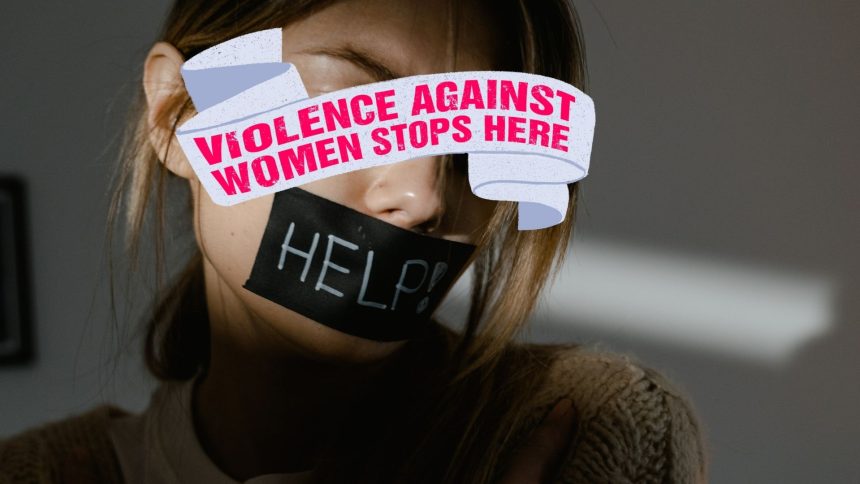
In the shadows of conflict and crisis, where the echoes of war resonate with the cries for safety, millions of women and girls find themselves in perilous situations, uprooted from their homes and thrust into uncertain futures. As they navigate the treacherous landscape of displacement, the stark reality emerges: the very act of seeking refuge can expose them to a heightened risk of gender-based violence.
This article delves into the harrowing experiences of those who have been forced to flee their homes, highlighting not only the challenges they face in their search for safety but also the urgent need for global awareness and action. Through the stories of resilience and survival, we uncover the complexities of their plight and the systemic issues that perpetuate violence against women and girls in times of upheaval. Join us as we explore this critical issue, shedding light on the silent struggle of millions who deserve to be heard and protected.
Understanding the Escalating Crisis of Gender-Based Violence Among Displaced Populations
The relentless scourge of gender-based violence (GBV) confronted by displaced women and girls is a rising worldwide crisis that needs immediate attention. Every day, millions are compelled to flee their homes due to conflicts, natural disasters, and serious human rights abuses. In these trying settings, women and girls become exceedingly vulnerable to GBV including sexual exploitation, forced marriage, domestic violence, and many other forms of abuse.
Existing statistics show a harrowing scenario. According to the United Nations, around 70% of reported GBV victims are women and girls, with the threat magnified for those on the move. This is not only due to the chaotic nature of displacement but also the often weakened societal, legal, and cultural protection mechanisms.
| Type of GBV | Percentage Reported Among Displaced Women |
|---|---|
| Sexual Exploitation | 30% |
| Forced Marriage | 25% |
| Domestic Violence | 40% |
Many forms of GBV go underreported due to several reasons:
- Fear of retaliation or stigma
- Lack of awareness or access to reporting avenues
- The normalization of violence within displaced societies
The multi-dimensional implications of this ongoing issue are far-reaching, affecting not only the individual victims but also the general health, socio-economic stability, and overall peace within displaced communities. It’s high time that this crisis is addressed through comprehensive and sustained global interventions aim at protecting displaced women and girls.
The Psychological Impact of Forced Displacement on Women and Girls
In the wake of forced displacement due to war, civil unrest, natural disasters or persecution, the harsh realities facing women and girls are often intensified. Amid the confusion and chaos of flight, women and girls face an increased risk of gender-based violence (GBV). GBV includes, but is not limited to sexual assault, intimate partner violence, forced marriage and trafficking. The exacerbation of these issues in times of displacement comes from a complex mix of factors including social and economic instability, the breakdown of protection mechanisms, and a lack of access to resources.
Not only are women and girls more susceptible to violence in scenarios of forced displacement, but they also endure significant psychological stress. Displacement and the affiliated risks and adversities provoke intense feelings of fear, loss, despair, and stigma. The mental toll taken by these experiences can bring about outcomes including severe anxiety, depression, post-traumatic stress disorder, and an overall reduced capacity to function. Furthermore, the limited access to appropriate mental health support and resources severely restricts avenues for recovery.
| Type of Violence | Definition | Impact |
|---|---|---|
| Sexual Assault | Any sexual act committed against someone without that person’s freely given consent. | Can lead to severe psychological trauma, in addition to potential physical injuries. |
| Forced Marriage | The marriage of an individual without their consent. | Can lead to life-long psychological distress, economic dependence, and increased vulnerability to abuse. |
| Trafficking | Recruitment, transportation, transfer, harbouring or receipt of persons by means of threat or use of force or other forms of coercion. | Long-term psychological impact, including symptoms of post-traumatic stress disorder, depression, anxiety, and complex trauma. |
All these factors highlight the necessity of tailored, gender-responsive humanitarian responses that protect and support women and girls. It is only through comprehensive, multi-sectoral strategies that include specific measures for mental health, GBV prevention and response, economic empowerment, and legal protection, that the plight of women and girls in displacement circumstances can be mitigated.
Strategies for Empowering Survivors: Community-Based Support Systems
The continuous reality faced by millions of women and girls forced to flee due to environment, conflict and other factors is a grave one indeed. Not only do they face an involuntary displacement from their homes, but they are also at a high risk of gender-based violence (GBV). This places an urgent need for efficient and effective strategies to support and empower these survivors, one of which is the implementation of community-based support systems.
One strategy is a community-driven and survivor-centered approach. In essence, this strategy hinges upon the act of listening and adapting to the survivor’s needs. It could include steps such as:
- Increasing public awareness and understanding of GBV.
- Training and mobilizing community leaders and volunteers to offer initial support.
- Creating safe spaces for survivors to connect and share experiences.
- Providing psychological support and counselling resources.
Another essential strategy is involving the entire community in the prevention of GBV. The basis of this strategy is creating an atmosphere that enables reporting and prevention of GBV with an emphasis on continued support. Key points to this strategy are built into the following:
| Action | Description |
|---|---|
| Creating inclusive and comprehensive GBV policies | These policies should be made known to all community members and consistently enforced. |
| Encouraging open dialogues | Community meetings and awareness campaigns can help destigmatize GBV and make it easier for survivors to seek help. |
| Developing community support groups | These groups can provide a safe platform for survivors to share experiences and regain their strength and confidence. |
| Establishing a strong support network | This includes easy access to medical, psychological, legal, and other necessary resources for survivors. |
Both strategies emphasize a community effort towards not only helping survivors but also eradicating gender-based violence altogether. Everyone has a role to play, and it starts with us acknowledging the issue, learning about it, and contributing positively in our capacities. Together, we can create a safer world for all women and girls.
Policy Recommendations for Governments and Organizations to Combat Gender-Based Violence
With millions of women and girls subjected to high risks of gender-based violence, particularly those who are forcibly displaced due to conflict, persecution, or disaster, there is a dire need for comprehensive and actionable policies from governments and organizations. This will not only address the immediate risks but will also uphold the rights and dignity of all women and girls.
Policy Recommendations:
- Elevate women’s participation and leadership: This involves promoting the meaningful participation of women in decision-making processes at all levels. Enhancing the visibility of women as leaders, negotiators, and decision-makers can work towards building gender-sensitive policies and systems.
- Promote Gender-Sensitive Legal Policies: Legal practices need to be protective of victims and hold the perpetrators accountable. Governments should review and revise their national legislation to be consistent with international human rights standards.
- Strengthen Health and Social Services: Broadening access to a well-resourced and responsive health and social service sector is vital. This should include ensuring availability of quality mental health and psychosocial support, sexual and reproductive health services, and socio-economic empowerment programs.
- Establish or Enhance Equitable Education: Advocating for the right to education irrespective of gender, helps to determine a society that’s respectful of women’s rights. An educational system where girls and boys learn about gender equality from an early age will promote long-term societal change.
This table illustrates example scenarios of how these policies can be implemented:
| Policy | Example of Implementation |
|---|---|
| Elevate women’s participation and leadership | Introduce laws to ensure a minimum percentage of women in leadership roles or in parliament. |
| Promote Gender-Sensitive Legal Policies | Establish specialized courts or tribunals to handle gender-based violence cases. |
| Strengthen Health and Social Services | Incorporate gender-based violence treatment and prevention in primary healthcare systems. |
| Establish or Enhance Equitable Education | Integrate gender equality topics into the national school curriculum to promote respectful relationships. |
Adopting these policy recommendations will steer progress towards a world free from gender-based violence, ensuring a promising future for women and girls across the globe.
Wrapping Up
As we conclude this examination of the plight facing millions of women and girls forced to flee their homes in search of safety, it is imperative to recognize the urgent need for a collective response. The shadows of gender-based violence loom larger in times of crisis, threatening not only the physical safety of vulnerable populations but also their dignity and resilience. By fostering awareness, mobilizing resources, and advocating for protective measures, we can illuminate pathways toward a safer future for those at risk.
Let us remain vigilant and committed to amplifying their voices, supporting their rights, and ensuring that their stories inspire action. The fight against gender-based violence cannot wait—it demands our focus and compassion now more than ever. Together, we have the power to turn the tide and create a world where safety is a fundamental right for every woman and girl, regardless of their circumstances.


