


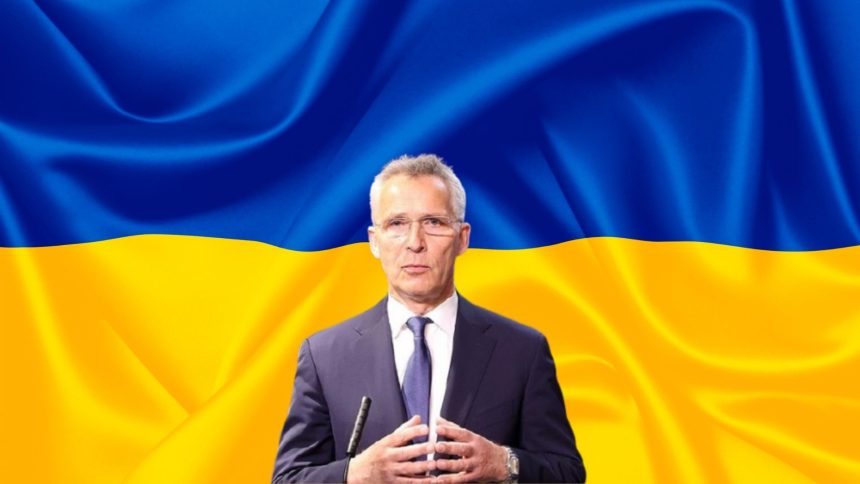
In a world grappling with heightened geopolitical tensions and the reverberations of conflict, the call for a robust defense strategy has never been more urgent. As the war in Ukraine continues to unfold, NATO’s chief has stepped into the limelight, urging member nations to bolster their defense budgets. This call to action resonates across the alliance, echoing the complex interplay of global security, economic capability, and the pressing necessity to adapt to evolving threats.
The stakes are high, and as the contours of warfare shift, so too must the resolve of NATO allies. In this article, we delve into the implications of increased defense spending, exploring the motivations behind this appeal and its potential impact on both the alliance and the broader international landscape.
NATOs Call for Action Strengthening Collective Defense in Uncertain Times
In an alarmingly volatile geopolitical landscape, Jens Stoltenberg, the Secretary General of the NATO, has emphasized the urgency of increased defense spending. The call to action comes in the wake of escalating tensions and conflict in Ukraine, with NATO member nations being urged to bolster their defenses and contribute actively to collective security. Freedom and peace, the cornerstones of the alliance, are under threat and it is paramount that member nations maintain, and where necessary, increase their defense spending to affirm their commitment to safeguard these values.
Facing such uncertainty, the main elements to be reinforced within NATO include the following:
- Enhanced readiness and responsiveness: Quickly respond to emerging security emergencies.
- Robust collective defense posture: Ensuring NATO’s deterrence power is unwavering, and any potential adversary is deterred.
- Improved resilience: Strengthening infrastructure, civilian and military capacities, as well as preparing populations to resist and recover from potential attacks.
- Advanced technology innovation: Staying ahead of adversaries by investing in fields like cybersecurity, space, and artificial intelligence.
In order to facilitate a better comprehension of the situation, the table below displays the approximate defense expenditure of NATO member countries, illustrating the pressing need for increased funding.
| Country | Approximate Defense Expenditure (USD) |
|---|---|
| United States | 738 Billion |
| Germany | 49.3 Billion |
| UK | 55.2 Billion |
The stark differences in defense spending between countries underline the importance of the Secretary General’s call to action. With times of tranquillity increasingly fleeting, NATO’s preparedness and collective defensive stance are more critical than ever. It conveys a clear message: Increased defense spending isn’t just about military power, but about preserving peace, security, and the integrity of democratic nations.
The Strategic Imperative of Enhanced Military Budgets for Alliance Cohesion
As the world continues to face profound geopolitical changes, the NATO chief Jens Stoltenberg has urged member countries to raise defense spending, taking into account the current situation in Ukraine. Stoltenberg emphasizes that an increase in defense budgets is essential not just for deterrence and defense, but also for strengthening alliance cohesion. Ensuring collective defense and enhancing alliance cohesion have thus become strategic imperatives for NATO member nations.
On the one hand, increased defense spending can help member countries strengthen their defense capabilities and contribute to interoperability within NATO. This includes spending on military personnel, equipment, and infrastructure. On the other hand, it also plays an important role in demonstrating a nation’s commitment to the alliance, thereby bolstering alliance cohesion.
- Military Personnel: More funds would lead to better recruitment, training, and retainment of quality personnel, which forms the backbone of any military force.
- Equipment: Invest in the latest technology and machinery. This would mean upgrading old systems and ensuring compliance with evolving safety standards.
- Infrastructure: Adequate financial resources can speed up the infrastructure development process. It leads to construction of robust defense infrastructures like military bases, training centers, etc.
Increased military budgets would also convey to potential adversaries that NATO is ready and willing to uphold its collective defense commitments. Following table presents, the defence spending by NATO member countries in 2019 and anticipated spending for 2022.
| Country | Defence spending (2019) – in billion USD | Anticipated Defence spending (2022) – in billion USD |
|---|---|---|
| United States | 649 | 715 |
| United Kingdom | 48.3 | 53.4 |
| Germany | 49.3 | 53.8 |
| France | 50.1 | 55.1 |
Hence, adapting to the changing strategic landscape involves ramping up defense capabilities and strengthening alliance cohesion. This is key to achieving NATO’s goal of ensuring peace and stability in the North Atlantic area.
Investing in Future Security: Priorities for Defense Spending Amid Global Tensions
In a freshly dawned era characterized by escalating global tensions and amplified security threats, former NATO chief, Anders Fogh Rasmussen, has urged nations to prioritize and boost defense spending. This comes amidst the ongoing war in Ukraine that has sparked a major geopolitical crisis. Rasmussen, an experienced diplomat and statesman, calls for an urgent need to respond to these contemporary challenges.
We see Rasmussen highlighting three main areas where spending requires an upward revision:
- Development of Advanced Technology: Reinforcing defense systems with the latest high-tech solutions is crucial, such as drones, AI, and cybernetic warfare units. The aim is to step up the modernization of defense mechanisms, ensuring they effectively counter 21st-century security threats.
- Boosting Human Capital: Augmenting investment in skilled manpower, specialized in key defense industries, drives the ability to strategize and implement advanced warfare techniques. This can ensure that NATO remains a step ahead of its adversaries.
- Enhancing Combat Readiness: Foiling threats necessitates substantial investment in improving troops’ readiness, perhaps through rigorous training and simulation exercises to prepare them for diverse conflict scenarios.
| Focus Area | Percentage of Defense Budget |
|---|---|
| Advanced Technology | 30% |
| Human Capital | 35% |
| Combat Readiness | 35% |
This table reflects what an augmented defense budget could look like, giving a hypothetical percentage breakdown of their allocation. These budgets should bolster the resilience of defense systems, offering a robust shield in these tremulous times. Defense spending must be viewed not as a burden on public coffers, but as an indispensable investment in future security.
Building Resilience: Recommendations for Member States to Enhance Defense Capabilities
In the wake of escalating tensions in Ukraine, NATO Secretary General Jens Stoltenberg has issued an urgent call to action for all member states. Stressing the need for increased defense spending, Stoltenberg highlighted the importance of strengthening defense capabilities to cope with the volatile geopolitical climate. He recommended several approaches for achieving this.
First, he urged for thorough modernization of military technology to enhance combat efficiency and prepare for potential threats. He emphasized on:
- Swift adoption of next-generation cyber defense systems
- Deployment of advanced unmanned aerial vehicles
- Investment in high-precision weaponry
Second, Stoltenberg suggested building resilience through strategic defense collaborations among member states. These collaborations could lead to sharing of valuable intelligence and strengthening of tactical capabilities. Some potential collaborations could include:
- Joint military exercises to improve interoperability
- Collaborative counterintelligence initiatives
- Shared defense research and production efforts
Moreover, NATO’s chief proposed a comprehensive review of defense budgets. By making informed budgetary decisions, each state could align its defense spending priorities with its strategic security objectives. The following table provides an illustrative overview of how NATO member states could allocate their defense budgets in light of Stoltenberg’s recommendations:
| Spending Category | Priority Level |
|---|---|
| Cyber defense systems | High |
| Unmanned aerial vehicles | Medium |
| High-precision weaponry | Medium |
| Collaborative defense initiatives | Medium |
| Military training initiatives | High |
Stoltenberg’s strong stance signals NATO’s unwavering commitment to defend its member states, reaffirming the organization’s core principle of collective defense. As nations grapple with the evolving geopolitical landscape, adhering to these recommendations could be pivotal in planning robust, resilient defense strategies.
The Conclusion
In an era where the specter of conflict looms large and the echoes of distant battles reverberate in our everyday lives, NATO Chief’s clarion call for heightened defense spending resonates as both a warning and a reminder. As the Ukraine war unfolds and reshapes the geopolitical landscape, nations are confronted with the stark reality that security cannot be taken for granted. The decision to bolster defense budgets is not merely a matter of numbers; it is an assertion of sovereignty, a commitment to alliance, and a pledge to safeguard the future.
As we reflect on the implications of this call to action, it becomes clear that the discourse surrounding defense spending is not just a political issue, but a vital conversation about our collective security and shared values. The stakes are high, and the path forward will require not only increased financial investment but also a united front among allies committed to democratic principles and mutual defense.
In this pivotal moment, as strategies are reassessed and priorities realigned, the dialogue must continue—nations must weigh the costs of preparedness against the price of complacency. As we stand at this crossroads, the choices made today will undoubtedly shape the security environment of tomorrow. With vigilance and cooperation, the NATO alliance can navigate these turbulent seas, ensuring that peace, stability, and freedom remain within reach for all.


