


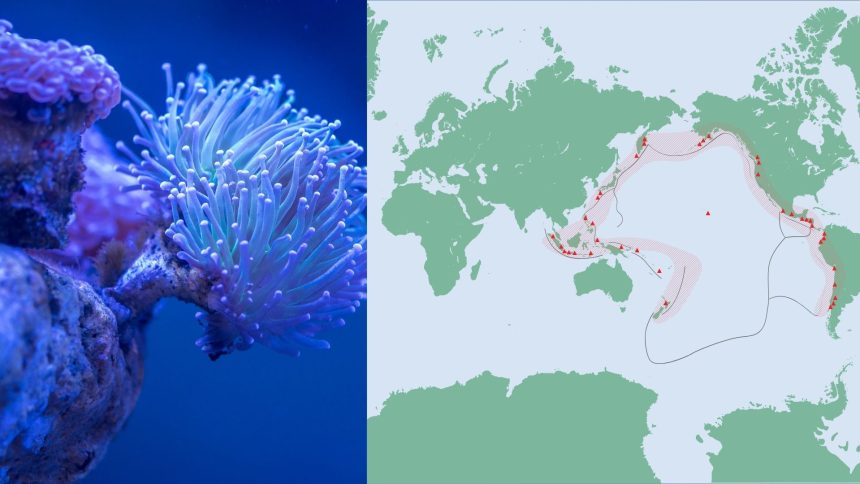
In the boundless expanse of the Pacific Ocean, where vibrant hues of blue meet the horizon, a remarkable living organism has emerged from the depths, capturing the attention of marine biologists and nature enthusiasts alike. The world’s largest coral, a colossal structure that has stood the test of time, offers not only a glimpse into the mysterious undersea world but also a testament to the resilience of nature.
Stretching over vast distances and teeming with life, this extraordinary coral reef paints a vivid picture of biodiversity and ecological significance. As we delve into the fascinating story of its discovery, the challenges it faces, and the conservation efforts underway, we invite you to join us on an exploration of this underwater marvel—an enduring symbol of nature’s artistry and a crucial player in the health of our planet’s oceans.
Discovering the Giant: The Magnitude of the Worlds Largest Coral
Deep within the azure blanket of the Pacific Ocean lies a hidden giant, a colossal expanse of vibrant, thriving life. The world’s largest coral is a spectacle that is beyond comprehension. Stretching out to a mesmerizing spread of over 1300 square kilometers, this aquatic marvel is roughly the size of Tokyo! From the mysterious crevices to the lively coral reefs, the incredible biodiversity it harbors is simply riveting.
The Pacific’s colossal coral, a grand spectacle of nature, houses a myriad of exotic sea creatures. These include:
- Reef Sharks: Known for their elegant movements and sleek bodies, they are often the kings of the territory.
- Colorful Parrotfish: Sporting vibrant colors, they inhibit the noisy coral crunchers.
- Giant Clams: Largest living bivalve mollusks that are notorious for their sizes, some weighing more than 200 kilograms.
- Sea Cucumbers: Essentially the vacuum cleaners of the sea, crucial for maintaining cleanliness.
Let’s not forget the stunning, multi-hued corals that are components of this vast marine oasis, thriving and pulsating with life.
| Species | Estimated Population |
|---|---|
| Reef Sharks | Approximately 20,000 |
| Colorful Parrotfish | Close to 500,000 |
| Giant Clams | Roughly 25,000 |
| Sea Cucumbers | Estimated 100,000 |
Discovering this giant coral spectacle offers an in-depth understanding of the aquatic world. Observing this ecosystem allows us to comprehend the symbiotic relationships that exist within it and the vast biodiversity that our oceans hold. A constant reminder of the miracles of nature and the magnificence underneath the waves, the world’s largest coral is a testament to the natural wonders of our beautiful planet. Each dive offers a unique chance to encounter spectacular visuals, vibrant colors, diverse marine life, and an experience that is nothing short of awe-inspiring.
Ecological Importance: Understanding the Role of Coral Reefs in Marine Biodiversity
Coral reefs are commonly referred to as the “rainforests of the sea”. This analogy springs from the fact that despite covering less than 1% of the ocean floor, coral reefs house approximately 25% of all known marine species. Their ecological importance cannot be overstated, serving as a hub for a dizzying array of marine life, including fish, molluscs, echinoderms, crustaceans, and various types of algae.
Recently, scientists discovered the world’s largest coral in the Pacific—an indicative testament to the richness and diversity of life thriving in these underwater havens. Donned amorously the Titan, this coral expands over an area of 2.3 acres, equivalent to the size of 1.4 football fields. The Titan displays an intrinsic understanding of the coral reefs’ primary roles as nurseries and feeding grounds for a variety of marine organisms, exhibiting a species diversity that is second to none. Below is a table highlighting some of the key species found in the Titan’s environment.
| Species | Role |
|---|---|
| Parrotfish | Feed on algae and dead coral, helping maintain the health of the reef. |
| Sea anemones | Provide shelter to small fish and invertebrates. |
| Sea turtles | Feeds on seagrass, which helps maintain the biodiversity of the coral reef system. |
Understanding the vital contribution of coral reefs like the Titan, to maintaining marine biodiversity, helps emphasize their conservation importance. Healthy and diverse coral reefs are pivotal in preserving the oceans’ ecological balance, making it imperative to protect these astonishing marine ecosystems from threats like ocean warming, overfishing, and plastic pollution.
Conservation Challenges: Threats to the Largest Coral and Its Ecosystem
The world’s largest coral, found in the Pacific, is threatened by diverse factors, which pose serious challenges to its survival and that of its ecosystem. Climate change is the major villain, leading to escalating sea temperatures that result in coral bleaching. Higher temperatures cause the coral to expel the symbiotic algae living in their tissues, causing them to turn white. If the temperatures don’t drop, the coral eventually dies. Also, the increased acidity of the ocean due to human-industrial activity affects the corals’ ability to build their calcium carbonate skeletons.
In addition to climate change, other anthropogenic activities add to the conservation challenges faced by this Pacific giant. Overfishing, for instance, disrupts the balance of the ecosystem. Predators keep COTS (Crown-of-Thorns Starfish) in check. Overfishing these predators leads to an unprecedented increase in COTS, which feed on coral polyps. Another glaring destruction is caused by coastal development and destructive fishing practices, which lead to sedimentation and pollution, blocking sunlight and impeding coral growth.
- Climate change: Escalating sea temperatures; increased ocean acidity
- Overfishing: Disruption of ecosystem balance
- Coastal development & Destructive fishing: Increased sedimentation and pollution
| Threat | Impact |
|---|---|
| Climate change | Increased sea temperature and acidity |
| Overfishing | Ecosystem imbalance |
| Coastal development & destructive fishing | Sedimentation & Pollution |
The current conservation challenges highlight the urgent need for coordinated international efforts. Adopting sustainable fishing methods across Pacific, reducing our carbon footprint, and educating the public about these issues are crucial steps towards preserving the world’s largest coral and its vibrant ecosystem.
Actionable Steps: How Individuals and Communities Can Support Coral Preservation
On a personal level, there are several key steps we can all take to support the preservation of Pacific coral, directly and indirectly. Minimizing pollution is a key factor, such as reducing plastic waste and being mindful of harmful substances that end up in our waterways. It’s not only about cleaning up our beaches but also being mindful of what we pour down the drain as many substances can harmfully impact marine life.
- Educate and propagate: Understanding the importance of corals and spreading the word to those around you builds a community of caring individuals. Knowledge is power and the more people that know, the more progress can be made.
- Support responsible companies: By purchasing seafood from sustainable fisheries and other products from companies that are environmentally conscious, we can help protect coral reefs. Your shopping habits can make a significant impact.
- Involvement in cleanup efforts: Participating in beach cleanup events not only helps the immediate area but also prevents waste from harming reefs and marine life further down the stream.
Communities have a larger role to play and a wider reach. Advocacy and legislation are key – by supporting policies that prioritize Pacific coral preservation and challenge those which threaten these crucial ecosystems, we can contribute towards a healthier environment. Communities can also fundraise for, donate to, or volunteer with organizations that are dedicated to coral preservation.
| Organization Name | What They Do |
|---|---|
| Coral Restoration Foundation | They grow and outplant corals to restore the function of the reefs. |
| The Coral Reef Alliances | They work with local communities, management bodies, and scientists to protect coral reefs. |
In Retrospect
As the sun sets on a vibrant expanse of the Pacific, the discovery of the world’s largest coral serves as a reminder of nature’s boundless wonders. This majestic marine giant, stretching across an astonishing area, not only captivates our imagination but also underscores the significance of coral reefs as essential ecosystems. As scientists and conservationists rally to study and protect this remarkable living structure, we are compelled to reflect on our responsibility towards the oceans that cradle such treasures.
The largest coral in Pacific is more than just a record-holder; it is a beacon for awareness and action in the face of environmental challenges. With each wave that laps against its surface, we are reminded that the fate of these underwater realms lies in our hands—encouraging us to cherish and sustain the fragile beauty of our planet’s coral reefs for generations to come. In the vast blue, the story of this coral continues, urging us to dive deeper into understanding and preserving our blue planet.


