


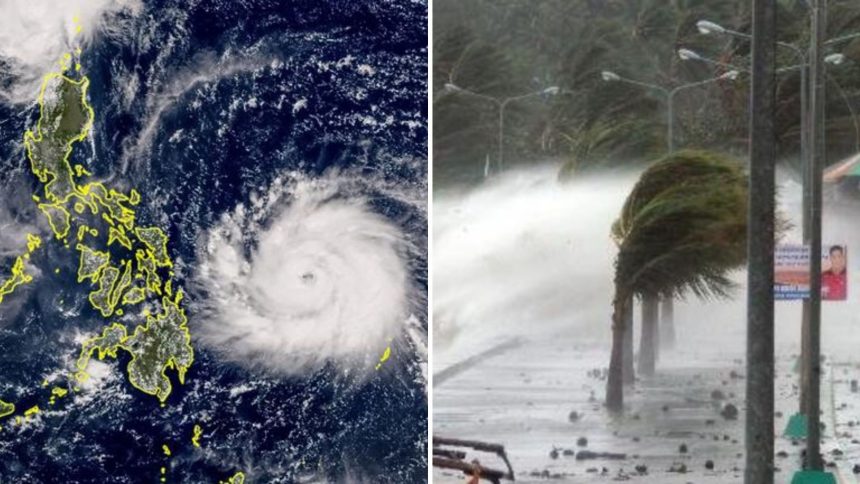
As the sun rises over the storm-ravaged landscapes of the Philippines, communities are stirring from the remnants of their once-bustling lives, now swept away by the brutal force of nature. Super Typhoon Man-yi has joined the ranks of a relentless barrage of weather systems, marking its place as the fourth significant storm to batter the archipelago in just two weeks. With each tempest that rolls through, the resilience of the Filipino people is tested anew, as they grapple with the aftermath of devastation and begin the arduous task of recovery and cleanup.
This article delves into the challenges faced by affected regions, the courage of those rising to rebuild, and the broader implications of climate change that former generations could scarcely have imagined. As we explore the immediate impacts of Typhoon Man-yi, we also reflect on the unyielding spirit of a nation poised to stand up once more, even as the winds of change continue to howl.
Impact Assessment and Immediate Response Strategies for Affected Communities
Post-Super Typhoon Man-yi Impact Assessment and Response Tactics
The aftermath of Super Typhoon Man-yi, the fourth major typhoon to strike the Philippines in two weeks, has surfaced a lasting and devastating impact on the affected communities. Areas such as Tacloban, Leyte, and Samar were in the direct path of its gusty winds and punishing rains, enduring widespread infrastructural damage and loss of livelihoods.
While assessing the impact, immediate response strategies have also been put into place to aid those affected by the super typhoon. Aid agencies including The Philippine Red Cross and the United Nations Office for the Coordination of Humanitarian Affairs have sprung into action, deploying emergency response teams as well as providing basic necessities of food, water, and shelter.
| Action | Agency |
|---|---|
| Deployment of emergency response teams | Philippine Red Cross |
| Provision of basic survival necessities | United Nations Office for the Coordination of Humanitarian Affairs |
A gesture of humanity has been observed in these troubling times, with various local and international non-profit organizations mobilizing their resources. Local volunteers have been stepping up to help clean up debris, distribute relief goods, and rebuild damaged homes. Public and private sectors have come together not only to restore the damaged infrastructure but also to uplift the broken spirits of those affected.
- Local volunteers assisting in the clean-up process after the typhoon
- Distribution of relief goods to affected families
- Rebuilding processes initiated by different non-profit organizations
Indeed, this unfortunate event has brought the global community together, displaying boundless courage, strength, and compassion.
Sustainable Recovery Initiatives: Learning from Past Disasters
With the fourth major storm lashing out at the Philippines in just two weeks, the nation once again finds itself in clean-up mode following the havoc caused by Super Typhoon Man-yi. Often labelled as the country that suffers the most from natural calamities, the frequency of such disasters amplifies the urgent need to devise resilient recovery and rebuilding strategies.
There’s a pressing need to comprehend the multi-faceted dimensions of post-disaster recovery. This pertains not only to the immediate aftermath but also a long-term vision that propels resilient systems moving forward. A few crucial dimensions are as follows:
- Physical Infrastructure: Ensuring the integrity of critical facilities like hospitals and schools.
- Social Infrastructure: Fostering social capital helps communities respond and bounce back more effectively.
- Economic Recovery: Reviving the economy and particularly the livelihoods of affected individuals.
- Environmental Restoration: Clean-up and restoration of the natural environment to balance the ecosystem.
| Year | Disaster | Recovery Measure |
|---|---|---|
| 2009 | Typhoon Ketsana | Economic stimulus for affected businesses |
| 2013 | Super Typhoon Haiyan | Nationwide social support programs |
| 2018 | Monsoon Floods | Infrastructure investments for disaster prevention |
Ultimately, a sustainable recovery plan not only helps the nation cope with the immediate aftermath but also reduces vulnerability to future disasters, driving the cycle of resilience.
Strengthening Infrastructure Resilience Against Future Storms
In the wake of the devastating Super Typhoon Man-yi, the need for a fortified infrastructure has been glaringly revealed to be paramount. Today, we begin cleaning up the aftermath, taking stock of the human toll and the infrastructure damages, but we also should look ahead, preparing stronger resilience measures for the future. Strengthening our infrastructure is not merely a long-term benefit, it is a necessity, a lifeline against the increasing ferocity of natural disasters.
Let’s focus on the core elements that require our dedicated efforts. Infrastructure resilience primarily needs a systematic enhancement in its design, construction, and operation. The new or renovated infrastructures must be designed to endure the ravages of future storms by considering the stress capacity related to climatic changes. Upgraded construction methods and materials, followed by robust operating systems and procedures are instrumental in shaping this resilience.
- Resilient infrastructure design – Infrastructure must be designed considering potential external threats such as typhoon impacts. This means considering aspects like flooding exposure and potential wind damage in the design and retrospectively adjusting existing infrastructures.
- Robust construction methods – Deploying advanced construction methods and using superior materials can drastically enhance structural strength. Techniques such as reinforced concrete frameworks and using impact-resistant materials can be applied.
- Competent operation and maintenance – A well-monitored and maintained infrastructure can withstand stress much better than a neglected one. Hence, regular inspections and upkeep need to be a part of the operational procedure.
| Component | Strategy |
|---|---|
| Infrastructure Design | Factoring in external threats, incorporating typhoon-resistant designs |
| Construction Methods | Application of advanced methods and superior materials |
| Operations & Maintenance | Regular inspections, timely upkeep |
will involve the collective effort of our community, along with expert guidance and suitable funding. The recent typhoons serve as a stark reminder of the uncertainty and harshness of mother nature, compelling us towards creating an infrastructure that can stand firm amidst the storm.
Community Empowerment: Engaging Local Leaders in Disaster Preparedness
Widespread devastation stirred by the monstrous Super Typhoon Man-yi reminded us once again of the imperative need for community-driven disaster preparedness. Although the Philippines is no stranger to tempests, the alarming frequency of recent super typhoons underscores an urgent call to action. Mitigating losses and moving towards swift recovery needs effective, ground-up initiatives involving local leadership.
Headway can be made by tapping into the immense potential offered by local leaders. Having a grassroots understanding of their communities, they hold the keys to creating efficient, tailor-made preparedness and response strategies. Based on their community’s unique needs, they can encourage:
- Community-based training: Designing disaster drills, planning evacuation strategies, and first-aid training pertinent to the demographic and geographical conditions of each locality.
- Local resource mobilization: Sourcing relief materials, life-saving equipment, and other essentials locally can significantly cut response times.
- Awareness campaigns: Spearheading localized awareness campaigns to educate the public about disaster do’s and don’ts, the significance of early warning systems, and the importance of voluntary compliance.
Beyond this, local leaders can also champion disaster-resilient infrastructure and climate-smart policies aligned with their respective areas. Facilitating discussions among stakeholders, rallying support for such initiatives, and ensuring their successful implementation could become transforming elements of disaster readiness.
| Role of Local Leaders | Benefits |
|---|---|
| Community Training | Greater Effectiveness in Disaster Response |
| Local Resource Mobilization | Reduced Response Time |
| Awareness Campaigns | Improved Community Preparedness |
| Champion Disaster-Resilient Infrastructure and Policies | Enhanced Resilience and Adaptability |
Concluding Remarks
As the sun begins to rise over the battered landscapes of the Philippines, the resilient spirit of its people shines through amidst the debris left by Super Typhoon Man-yi. With four devastating storms in just two weeks, the nation finds itself on the precipice of an immense recovery journey. Communities are coming together, united not only by the weight of their collective sorrow but also by the unwavering determination to rebuild and rejuvenate their lives. The cleanup crews—made up of locals, volunteers, and aid organizations—are tirelessly working to restore the beauty of this archipelago, proving that even in the face of relentless nature, hope remains an unyielding force.
As the country braces for potential future storms, the stories emerging from the aftermath of Man-yi remind us of the strength embedded in solidarity. Amid the challenges, there lies an opportunity for reflection and reform, as policymakers and citizens alike recognize the urgency for sustainable practices and disaster preparedness. While the skies may be darkened by fleeting tempests, the journey towards recovery illuminates the path to resilience. Together, the Philippines embodies a narrative of courage and unity—one that extends beyond the storms and into the hearts of its people. And so, as they rise to meet the dawn of a new beginning, we are reminded that every setback can become a stepping stone towards a brighter, more resilient future.


