


As the 2024 presidential election cycle heats up, a diverse field of Republican candidates is emerging, each vying for the party’s nomination and the opportunity to challenge the incumbent in the general election. From well-established political figures to fresh faces, these contenders bring a mix of experience, ambition, and distinct policy platforms to the forefront of national political discourse. As primaries approach, the GOP landscape is rapidly evolving, shaped by key issues such as the economy, immigration, and foreign policy.
This article delves into the profiles of the leading Republican candidates, their strategies, and the dynamics that could influence the upcoming election, offering insight into how the next few months will frame the party’s future and its vision for America.
Table of Contents
- Republican Presidential Candidates Navigating the Primary Landscape
- Key Policy Differentiators Among Republican Contenders
- Strategies for Engaging the Youth Vote in the 2024 Election
- Impact of Party Dynamics on Candidate Positioning and Voter Appeal
- Q&A
- Closing Remarks
Republican Presidential Candidates Navigating the Primary Landscape
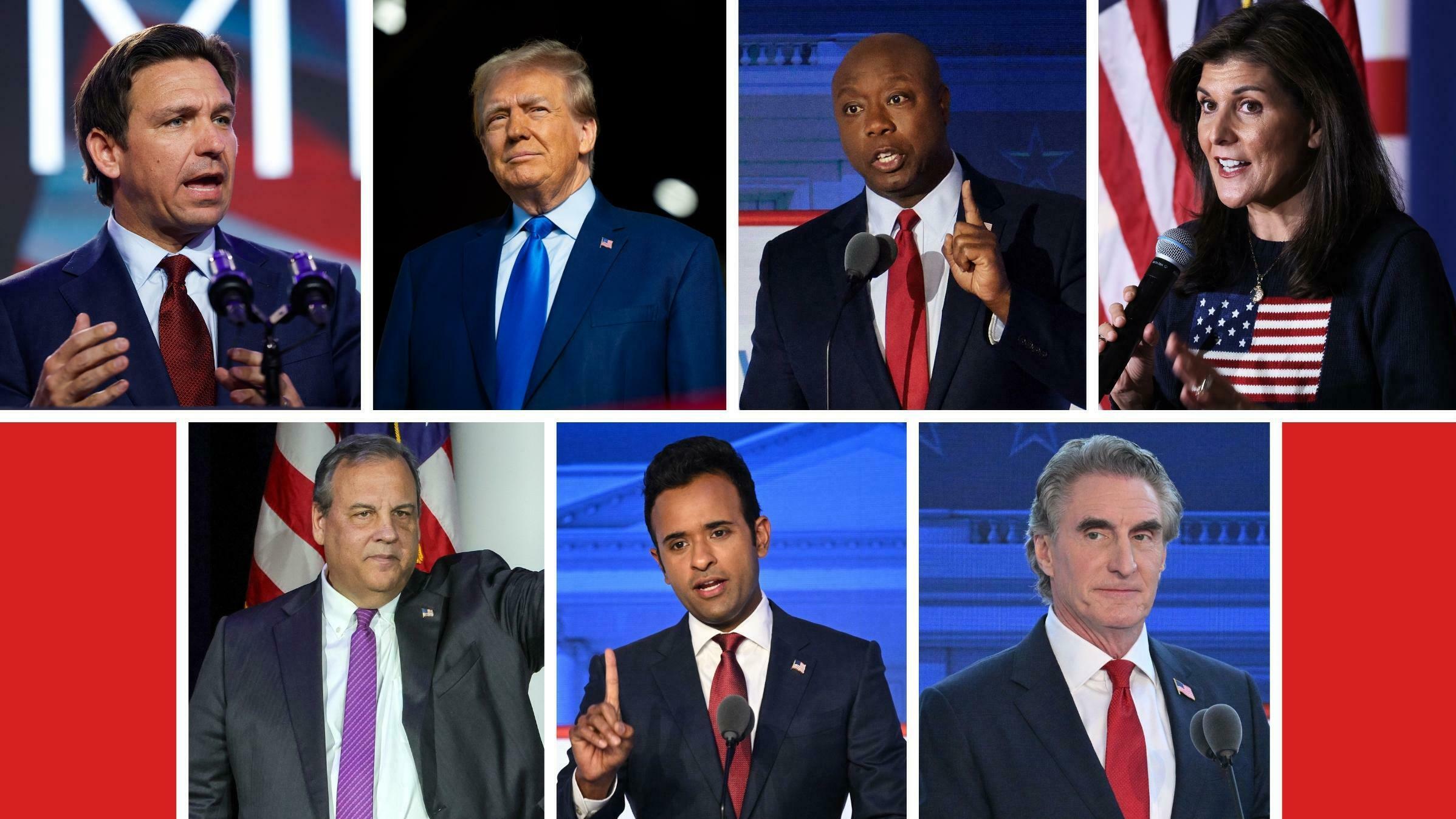
The Republican primary landscape is shaping up to be a battleground where candidates are increasingly redefining their platforms to resonate with an evolving voter base. Front-runners like former President Donald Trump continue to dominate polls, rallying support with a blend of populist rhetoric and a return to conservative values. Meanwhile, challengers such as Governor Ron DeSantis and former UN Ambassador Nikki Haley are striving to carve out their niches by focusing on key issues like economic resilience, national security, and social policies. These candidates are attempting to strike a balance between appealing to the traditional Republican base and addressing the concerns of a more diverse electorate.
As the campaign progresses, candidates are also refining their strategies through a series of debates and town hall meetings, where they aim to showcase their leadership qualities and distinct agendas. The establishment is watching closely as potential surprises loom on the horizon. Factors shaping their chances include fundraising success, grassroots support, and their ability to navigate controversies. To illustrate the dynamics at play, here’s a brief overview of some key candidates and their primary platforms:
| Candidate | Core Focus Areas |
|---|---|
| Donald Trump | Trade, Immigration, Law & Order |
| Ron DeSantis | Education, Climate Policy, Tax Cuts |
| Nikki Haley | Foreign Policy, Healthcare, Women’s Rights |
| Vivek Ramaswamy | Anti-Establishment, Economic Freedom, Technology |
Key Policy Differentiators Among Republican Contenders
As the Republican primary race heats up, candidates are increasingly leveraging distinct policy platforms to differentiate themselves from one another. Among the most notable areas of divergence are economic policy, immigration reform, and foreign affairs. Many contenders express a commitment to tax cuts and deregulation, but the specifics can vary widely. For instance, while some advocate for across-the-board reductions, others propose targeted tax incentives aimed at stimulating specific sectors such as technology or manufacturing.
Additionally, immigration strategies showcase significant contrasts in approach and tone. Candidates like Governor Ron DeSantis prioritize strict border control measures and advocate for the construction of new barriers, whereas others, such as former President Donald Trump, emphasize a more nationalistic rhetoric paired with enforcement through executive actions. In foreign policy, attitudes towards longstanding alliances and military engagements further display the candidates’ varying visions for America’s role on the global stage. This divergence in policy positions not only shapes candidates’ electoral appeal but also reflects their underlying political philosophies and messages to voters.
Strategies for Engaging the Youth Vote in the 2024 Election
Engaging the youth vote in the upcoming election requires an innovative approach from Republican presidential candidates. Harnessing social media platforms is one of the most effective strategies, as younger voters predominantly gather and share information online. Campaigns can leverage TikTok, Instagram, and Snapchat to create relatable content that resonates with the values and interests of younger demographics. Additionally, candidates can utilize authentic storytelling to connect emotionally with voters, showcasing their personal experiences and how their policies align with the aspirations of the youth. This approach fosters a sense of trust and relatability, encouraging young people to feel personally invested in the electoral process.
Moreover, offering direct engagement opportunities can significantly boost voter turnout among young individuals. Organizing town hall meetings, online Q&A sessions, and interactive forums allows candidates to address the concerns of younger voters firsthand. Implementing initiatives such as peer-to-peer outreach programs, where engaged youth volunteers encourage their friends and communities to participate in the electoral process, can also prove highly effective.
To streamline these efforts, candidates may consider forming strategic partnerships with universities and youth organizations, expanding their reach and visibility on campus. The table below highlights key strategies and potential outreach activities to maximize engagement.
| Strategy | Outreach Activities |
|---|---|
| Social Media Engagement | Creative content campaigns on TikTok and Instagram |
| Authentic Storytelling | Sharing personal experiences through video and blog posts |
| Direct Engagement | Town halls and online forums for dialogue |
| Peer Outreach | Volunteer programs connecting friends and communities |
| Partnerships | Collaborations with universities and youth organizations |

Impact of Party Dynamics on Candidate Positioning and Voter Appeal
The evolving dynamics within the Republican Party significantly influence how candidates position themselves and engage with potential voters. In a landscape marked by shifting ideologies and the rise of populist sentiments, candidates must navigate a complex web of expectations from both party insiders and grassroots supporters. As traditional conservative values blend with more populist rhetoric, candidates are often compelled to adapt their platforms, balancing between appealing to the party’s base and attracting undecided voters. This dance can lead to a fracturing of message clarity, wherein candidates might oscillate between hardline stances and more moderate appeals.
To illustrate the varying approaches candidates are taking in order to resonate with voters, consider the following key areas of focus:
- Social Issues: Candidates are increasingly prioritizing stances on abortion, LGBTQ+ rights, and education reforms.
- Economic Policy: Emphasizing tax cuts, deregulation, and job creation remains a common theme.
- Foreign Policy: Nationalism and a focus on America-first policies are gaining traction among prospective voters.
A recent analysis of candidate positioning can further shed light on their appeal:
| Candidate | Key Focus Areas | Voter Appeal Strategy |
|---|---|---|
| Candidate A | Social conservatism, Economic nationalism | Engaging grassroots movements, leveraging social media |
| Candidate B | Fiscal responsibility, Moderate social policies | Building coalitions with centrist voters |
| Candidate C | Populist rhetoric, Foreign policy interventionism | Highlighting outsider status, rallying rural support |
Q&A
Q&A: Understanding the Landscape of Republican Presidential Candidates
Q: Who are the main Republican presidential candidates for the upcoming election?
A: As of now, several prominent figures have declared their candidacies for the Republican nomination in the 2024 presidential election. Key candidates include former President Donald Trump, Florida Governor Ron DeSantis, former United Nations Ambassador Nikki Haley, and entrepreneur Vivek Ramaswamy. Other notable candidates may emerge as the primaries approach.
Q: What are the main issues these candidates are focusing on?
A: Republican candidates are largely concentrating on issues such as the economy, immigration reform, national security, and cultural matters including education policy and social conservatism. Many candidates are also critiquing current policies of the Biden administration, seeking to position themselves as alternatives to the Democratic leadership.
Q: How is Donald Trump’s candidacy impacting the race?
A: Donald Trump, despite facing a multitude of legal challenges, remains a dominant figure in the Republican Party. His influence shapes the platform and discourse among other candidates. Polls indicate that he maintains a strong lead among the Republican base, which complicates the efforts of other candidates to carve out their own identities and attract voters.
Q: What strategies are these candidates using to win voter support?
A: Candidates are employing various strategies including town hall meetings, social media outreach, and targeted advertisements to connect with potential voters. Many are emphasizing personal narratives, policy proposals, and responding to current events to resonate with their audience. Additionally, candidates are actively engaging with grassroots organizations and party influencers to build a solid base.
Q: How have recent events influenced the candidates’ positions?
A: Recent events, such as Supreme Court decisions, economic fluctuations, and international crises, have prompted candidates to adapt their messages to address the current public sentiment. Issues like the ongoing inflation, the Russia-Ukraine conflict, and domestic social issues have led candidates to refine their platforms, often sparking debates among them over the best approaches to these challenges.
Q: What role will debates play in the Republican primary process?
A: Debates will be crucial for candidates looking to distinguish themselves from one another. They provide a platform for direct engagement with opponents and an opportunity to communicate their policies to a national audience. Debates can significantly influence public perception and campaign momentum, often determining which candidates gain traction or falter.
Q: How is the Republican Party preparing for the primary elections?
A: The Republican National Committee (RNC) is working to streamline the primary process, including scheduling state primaries and caucuses. Furthermore, party leaders are focusing on unifying the party post-2020 and ensuring that candidates can effectively challenge the Democratic nominee in the general election. Fundraising efforts are also intensifying as candidates ramp up their campaigns.
Q: What obstacles do candidates face as they campaign?
A: Candidates must navigate various challenges, including fundraising requirements, voter division within the party, and rising independents who may sway the overall election. Additionally, they face the challenge of addressing criticism from both their rivals and external political commentators, all while maintaining a coherent and appealing message to a diverse voter base.
Q: What can voters expect as the race progresses?
A: As the Republican primary approaches, voters can expect increased campaigning, more in-depth policy discussions, and heightened media coverage of candidate events. The race may continue to evolve with potential new entrants and shifts in public opinion, making the coming months critical for candidates seeking the nomination.
Closing Remarks
As the Republican primary race intensifies, candidates are setting the stage for what promises to be a pivotal election cycle. Each contender has outlined their vision for the future, aiming to resonate with a diverse electorate while grappling with the party’s core values. The coming months will be crucial as debates heat up, policies are scrutinized, and voter sentiments continue to shift. With key issues like the economy, immigration, and social policies at the forefront, the path to the nomination will require not only strategic campaigning but also the ability to connect with constituents on a personal level.
As the field narrows and the race solidifies, all eyes will be on how these candidates navigate the complex landscape of American politics. The 2024 Republican presidential primary is set to be a defining moment for the party and its influence in the nation’s future. Stay tuned as we continue to provide updates and analysis on this evolving story.


