


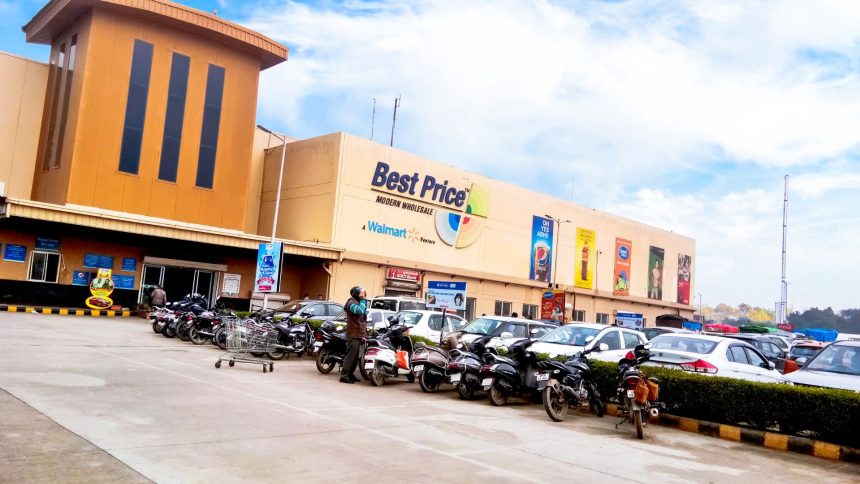
In a world where digital transactions dominate and cash is becoming increasingly elusive, a curious trend is emerging in the retail landscape: the introduction of fees for cash-back requests. As consumers navigate the complexities of shopping in an era defined by convenience, some major retailers have opted to implement charges for that seemingly simple act of withdrawing cash alongside their purchases.
This practice raises several questions about the evolving relationship between retailers and their customers, highlighting a shift in the dynamics of service and convenience. In this article, we will explore the implications of this trend, examining the rationale behind these fees, the potential impact on consumer behavior, and what it reveals about the future of retail in our cashless society.
Understanding the Cash-Back Request Trend in Retail: Consumer Perspectives and Reactions
In the increasingly competitive world of retail, many businesses are turning to cash-back offers as a way to lure in and retain customers. These offers, which essentially entail offering a portion of the purchase price back to the consumer, are a win-win-for both companies and consumers alike, and they’ve quickly become an essential aspect of the modern retail landscape. However, a new trend has started to emerge in which some big-name retailers are charging customers for requesting cash-back.
Why charge for cash-back requests? For retailers, it’s a way to offset the cost of providing this service to consumers. Every time a customer requests cash-back, the retailer has to pay a transaction fee. By charging a small fee for cash-back requests, these companies can continue to offer cash-back requests without losing too much money in the process. Here is a brief consideration of few leading retailers:
| Walmart | Charges $3 for cash-back requests |
| Target | No fees for cash-back requests |
| Costco | Charges $1.25 for cash-back requests |
For consumers, though, this new trend can be somewhat frustrating. While cash-back requests offers are an attractive way to get a portion of their money back, many people are not happy about the idea of paying for this service. In fact, a recent survey found that a large portion of consumers are less likely to shop at a store that charges for cash-back:
- 54% of respondents said they would be less likely to buy from a retailer that charges for cash-back requests.
- 38% said they would consider it, but only if the fee was reasonable.
- 8% said they wouldn’t mind paying a bit extra for cash-back requests.
While this trend is still fairly new, it’s clear that charging for cash-back has the potential to impact consumer behavior and the overall retail environment. As it continues to evolve, both consumers and retailers alike will need to be adaptive and receptive.
Evaluating the Impact of Fees on Customer Loyalty and Shopping Behavior
The emergence of big retailers charging fees for cash-back requests has become a hot topic of debate among consumers. Traditionally, cash-back was perceived as a free incentive offered by shops to shoppers to encourage loyalty. However, as competition intensifies and profits narrow down, these retailers are attempting to find alternative sources of income, which unfortunately sometimes encompass bagging some additional fees from consumers.
Firstly, we must understand the implications of these cash-back fees on the overall customer shopping experience. According to statistical data, a whopping 64% of consumers would prefer to switch to another retailer if they were being charged for cash-back services. Here are the most common impacts of these fees on various fronts:
- Customer Loyalty: Frequent shoppers may feel betrayed and consider alternative shopping destinations.
- Shopping Behavior: Consumers may limit their spending habits to avoid paying unnecessary fees.
- Retailer Reputation: Negative reviews and word-of-mouth can have a detrimental impact on the business’s image.
| Factors | Impact |
|---|---|
| Customer Loyalty | Decrease |
| Shopping Behaviour | Unpredictable |
| Retailer Reputation | Negative |
Secondly, let’s delve into the question of whether consumers are willing to pay these additional charges. A survey indicated that around 73% of consumers are generally not pleased with this emerging trend. More discouraging was that 85% of shoppers expressed they will be hesitant to ask for cash-back if they knew it came with a fee. For a retailer, this trend does not augur well as it reduces their avenues to accommodate customers’ convenient processes. Nevertheless, mitigating these potential negative impacts requires imbibing more transparent practices that don’t compromise customer interest.
while retailers are obliged to secure their revenue streams, it’s crucial to strike a balance between profitability and customer satisfaction. Charging for cash-back in today’s competitive retail environment may not furnish the desired results given customers’ overall resistance and potential impacts on their loyalty and shopping habits.
Strategies for Retailers: Balancing Profitability with Customer Satisfaction
The retail sales landscape has been changing quite dramatically over recent years. With increased competition from online stores, brick and mortar retailers must come up with innovative strategies to not only improve profit margins but also maintain customer satisfaction. Interestingly, one strategy that has garnered attention recently is charging customers for cash-back requests. Big names in the retail industry are now adding small fees to transactions where the customer requests cash back with their purchase.
Before implementing this strategy, retailers should consider the potential customer response. While some customers may not mind the small additional charge, others may view the fee as a burden and this could affect their overall satisfaction. Therefore, it is crucial for retailers to strike a balance. They can offer incentives for other payment methods or limit the cash-back fee to larger transactions. On one hand, this strategy can help to cover the costs associated with handling cash, but on the other, it’s necessary to remain customer-centric with these kinds of changes. Let’s take a look at some pros and cons of this strategy:
| Pros | Cons |
|---|---|
| Additional revenue stream | Possible customer dissatisfaction |
| Covers costs of cash handling | Not all customers use cash-back feature |
Ultimately, the key to cash-back fees, like any retail strategy, is proper implementation through careful planning and communication with consumers.
Recommendations for Consumers: Navigating Cash-Back Policies Effectively
Unbeknownst to many consumers, some large retail corporations have implemented policies where they charge their customers for cash-back requests. The news is startling to most, triggering a need to adapt and navigate these cash-back policies effectively. This situation requires more homework and strategic shopping. Knowledge is power, and understanding cash-back policies can save you a significant amount of money.
Firstly, before you shop, it’s essential to do your research on the retailers’ cash-back policies. Many large chain stores have their policies listed online. Alternatively, you can call customer service or ask an in-store staff member. Consider creating a simplified list of large stores and their cash-back policies that might look something like this:
| Retailer | Cash-Back Policy |
|---|---|
| Store 1 | No charge |
| Store 2 | $2 fee |
| Store 3 | $3 fee or 2% of amount |
Secondly, it is crucial to plan your cash-back requests wisely. If the retailer charges for cash-back requests, decide if the cost outweighs the benefits. Perhaps going to an ATM is a cheaper option instead of asking for cash-back requests at the register.
Lastly, remember to check your receipt before leaving the store. If you were charged wrongly for a cash-back request, bring it up with the staff immediately. Also, know your rights as a consumer. If the cash-back requests fee was not declared at the time of purchase, report the store to your local authorities.
As a consumer, taking the time to understand cash-back requests policies and planning ahead can result in savings. Be a savvy shopper.
Insights and Conclusions
In a world where convenience often comes at a cost, the practice of retailers charging for cash-back requests has sparked a significant conversation among consumers and industry experts alike. As we navigate this evolving landscape of retail, it’s essential for shoppers to remain informed and vigilant. While the intention behind this strategy may stem from rising operational costs, the implications it bears for customer experience and loyalty are profound.
As we conclude our exploration of this trend, we encourage you to weigh the options available to you as a consumer. Examine your purchasing habits, support retailers that align with your values, and stay engaged in dialogues surrounding fair practices in the marketplace. After all, the choices we make today can shape the retail environment of tomorrow. Whether this trend persists or shifts, one thing is clear: the conversation about cash-back and customer service is far from over. Keep your wallets close and your voices closer as we venture into the future of retail.


