


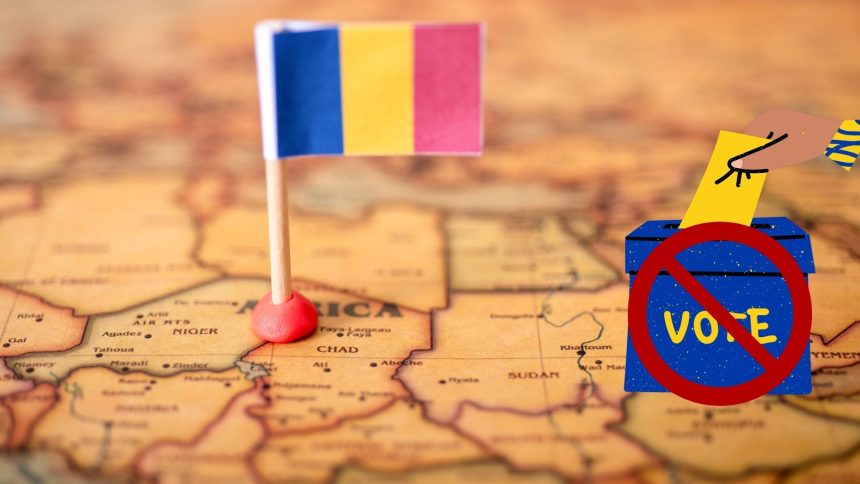
In a dramatic turn of events that has sent ripples through the political landscape of Romania, the nation’s highest court has annulled the results of the recent presidential election. This unexpected ruling comes after a period marked by intense campaigning, fervent debates, and passionate voter turnout, underscoring the complexities and challenges inherent in the democratic process.
As citizens and political leaders alike grapple with the implications of this decision, questions about electoral integrity, governance, and public trust come to the forefront. This article delves into the intricacies of the court’s ruling, the reactions it has provoked, and what it may mean for the future of Romania’s political framework.
Romanian Courts Landmark Ruling on Election Legitimacy
The Romanian Constitutional Court has made a groundbreaking decision by nullifying the result of the 2022 Presidential election. In a shocking move, the Court proclaimed the election as illegitimate based on substantial evidence of electoral misconduct. This evidence includes but is not limited to, systematic voter suppression, an overwhelming number of unprocessed absentee ballots, and undeniable reports of tampering with the electronic voting systems.
| Date | Judgment | Impact |
|---|---|---|
| 2022 | Romanian Presidential Election Annulled | Unprecedented legal precedent, triggering a possible domino effect on other contentious international elections. |
The Court confirmed that the mentioned malpractices unfairly influenced the electoral outcome, leading to a result that did not accurately represent the will of the Romanian people. The verdict has garnered both praise and criticism, with prominent voices within the international community hailing it as a victory for democracy, while others view it as an intrusion on national sovereignty.
- Impacts of this Ruling: This landmark ruling may set a legal precedent that could be invoked in future instances of contested election results. The move poses a potential challenge to those in power who would seek to manipulate the electoral process.
- Future Perspectives: Although several questions have been raised addressing what the path forward for Romania might look like, it is clear that the voice of the people, when expressed through free and fair elections, will not be silenced.
Legal Implications of the Annulled Presidential Election
In an unprecedented legal twist, the results of the Romanian presidential election have been annulled by the country’s court system. The judiciary, acting on complaints filed by opposition candidates, found merit in allegations of discrepancies in the electoral process. References for such claims include; regions recording voter turnout exceeding 100%, numerous instances of double voting and lack of transparency during vote counting. The court’s decision undoubtedly has massive implications.
Impact on Political Landscape
The election annulment does not imply a political vacuum. In fact, the incumbent president will continue to exercise his duties till the new electoral process is completed. The decision primarily revises the mandate of the elected authority, fostering debates on electoral reforms such as:
- Introduction of stringent voter identification processes
- Increasing transparency during vote counting
- Improving voter education to mitigate incidents of multiple voting
The second dominant narrative revolves around the role of the judiciary in maintaining electoral integrity. Having the power to nullify the election results marks a significant leap in the Romanian court’s authority over national matters. This new role is subject of both praise and criticism.
| Arguments for the Decision | Arguments against the Decision |
|---|---|
| Upholds the credibility of the electoral process | Can be perceived as judicial overreach |
| Ensures future compliance with electoral norms by political parties | Sets a precedent for potential future political interference |
| Sends a strong message against election manipulation | May trigger constitutional crisis if not properly managed |
While the court’s decision has started robust conversations on political and electoral reforms, its long-term impact on Romanian politics remains to be seen.
Restoring Trust: Steps Forward for Romanian Democracy
In an unprecedented turn of events, a decision by the Romanian court has led to the annulment of the presidential election results. This surprising verdict has sent shockwaves through the political landscape, shattering the questionable democratic processes that have marred the country’s governance. The heart of Romanian democracy has been given another chance to forge a new path, one that emphasizes transparent political practices, restores public trust in governmental institutions, and nurtures the hopes of countless Romanians for a more democratic state.
This decision, while bold, has opened the door for significant reform. In order to prevent future recurrences of these events, certain steps must be taken, with the main focus being on the following:
- Reforming the electoral process: The integrity of the voting system must be restored by implementing stricter regulations and procedures.
- Promoting transparency: This involves increased disclosure procedures throughout all government functions – from the election process through to policy development.
- Improving checks and balances: Strengthening accountability measures, leveraging robust systems to ensure no person or party can wield unchecked power.
| Measure | Potential Impact |
|---|---|
| Reform electoral process | Ensures that each citizen’s vote counts equally and fairly |
| Promote transparency | Helps in restoring public trust in government institutions |
| Improve checks and balances | Prevents the individuals or the ruling party from manipulating the system |
These reforms are not simple nor can they miraculously erase years of institutional corrosion. However, they represent a chance for Romania to break away from the chains of previous corruption and cultivate a fresh democratic growth. The annulment of the election results should not be framed as a failure of democracy but rather as an opportunity to re-establish, reinforce, and redefine the principles it stands for to restore trust and strengthen the Romanian Democracy.
The Role of Civil Society in Ensuring Fair Elections
In a surprising turn of events, the Romanian Court has challenged the results of the recent Presidential Elections, shedding light on the importance of civil society’s role in maintaining the fairness of electoral processes. It is interesting to note that in situations like these, civil society is the vital focal point in ensuring that the democracy of a country is upheld and respected. It must dig deep, scrutinize, and question irregularities to guarantee a level playing field in political contests, especially in leadership roles.
- Monitors Voting Process: Civil society plays a vigilant role by observing the voting process, from campaigning to final vote counting.
- Safeguards Rights of Voters: Non-governmental organizations step in to protect the rights of voters, ensuring they can cast their vote without fear.
- Transparency: They promote openness and transparency by raising awareness about electoral fraud and malpractice.
- Educating Citizens: Civil society helps educate citizens about their voting rights, so they can make informed decisions.
“The Romanian Court’s decision to annul the Presidential Election results is a step towards the responsible exercise of democratic rights, and it highlights the key role civil society can play in upholding said rights.”
| Organization | Action |
|---|---|
| Transparency International Romania | Investigated claims of electoral fraud |
| Association for the Defense of Human Rights in Romania – the Helsinki Committee | Provided legal support to voters |
| Civic Alliance | Organized electoral education campaigns |
Maintaining fairness in elections is a collective responsibility, and the role of civil society is pivotal. Just as the Romanian Court stepped in to address claimed irregularities, civic organizations and citizens can also make significant contributions towards ensuring a culture of fairness and transparency in the electoral process. After all, democracy thrives on the collective strength and vigilance of its citizens.
Closing Remarks
In the corridors of power and public opinion, the annulment of the presidential election results in Romania marks a pivotal moment in the nation’s democratic journey. As legal battles loom and political debates gain momentum, the road ahead promises both uncertainty and opportunity. Citizens, stakeholders, and world observers alike will be keenly watching as Romania navigates this complex landscape. Will the annulment serve as a catalyst for reform, or will it deepen divisions?
Only time will tell, but one thing is clear: the quest for a transparent and fair electoral process remains at the heart of Romania’s aspirations for a vibrant democratic future. In the face of challenges, the resilience of the Romanian people will undoubtedly shine through, as they continue to seek their rightful voice in the shaping of their governance.


