


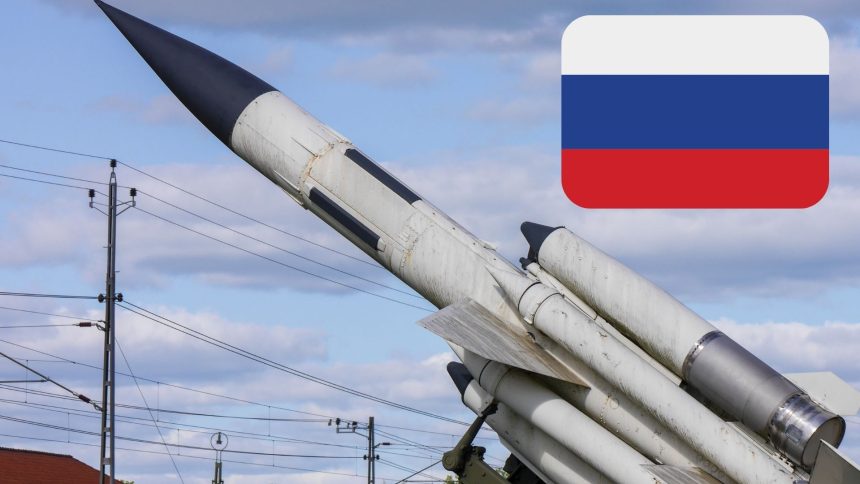
In a world where the balance of power remains delicate and the specter of geopolitical tension looms large, Russia has signaled its intent to continue advancing its military capabilities. In a recent statement, President Vladimir Putin affirmed the nation’s commitment to testing new ballistic missiles, a move that underscores the ongoing arms race in an era defined by uncertainty and strategic competition.
As nations grapple with security dilemmas and seek to assert their influence, this declaration not only highlights Russia’s defense priorities but also raises critical questions about the implications for global stability and international relations. This article delves into the motivations behind Putin’s announcement, the technological advancements at play, and the potential repercussions for both Russia and the broader international community.
Ongoing Developments in Russias Ballistic Missile Testing Strategy
The contemporary theatrics of global politics sees no hold in advancements where Russia’s President Vladimir Putin has affirmed the continued testing of their new ballistic missile systems. This announcement comes ostensibly in response to a rising urgency for refining their strategic ballistic missile deployment tactics, as part of their ongoing defence operations. Vladimir Putin stated in much clear defiance that the missile tests would proceed, churning the waters of international diplomacy.
The purported ballistic missile, ‘Barguzin‘, known as a rail-mobile ICBM, is reported to house up to six nuclear warheads and will be tested regularly. With an impressive operational range, it is predicted that the continued testing of these ballistic missiles will embolden Russia’s ability to strategically deploy these in various geographic locations. Let’s look at some key specifications of the ballistic missile:
| Missile Name | Operational Range | Warhead Count | Deployment |
|---|---|---|---|
| ‘Barguzin’ | 8000 km | Up to 6 | Rail-mobile |
Apart from this, the Russian administration has remained tight-lipped on other specifics of their strategy, staying away from revealing more about their tactics or further developments. However, Putin’s definitive stance indicates Russia’s continuous commitment to enhance their defence strategy, undeterred by the potential international implications. As the scenario evolves and Russia persistently tests and refines its ballistic missile technology, it is clear that these are, indeed, intriguing times ahead in global geopolitics.
Implications for Global Security and Regional Stability
The recent announcement by Russian President Vladimir Putin about their intent to continue testing new ballistic missiles holds significant . Concerns are mounting over the potential for a renewed arms race and increased geopolitical tensions.
Military Escalation: The ongoing missile tests would inevitably heighten military escalation. Other global powers may feel the need to respond by bolstering their respective defense capabilities, leading to a potential arms race. This is reminiscent of the height of the Cold War, where the constant upgrading of military hardware fuelled a climate of fear and deepened the divide between the West and the former Soviet Union.
- Increased Capabilities: The missiles, once operational, would drastically improve Russia’s military capabilities.
- Fear of Proliferation: There’s a heightened fear about the preponderance of these weapons falling into the wrong hands, further destabilizing the region.
- Destabilizing Regional Relations: The continuous testing could further destabilize Russia’s relations with neighbouring countries and lead to an escalated state of tension.
| Country | Defense Budget Rise (%) |
|---|---|
| United States | 1.7 |
| China | 1.9 |
| Russia | 2.4 |
Global Security Implications: Collective security arrangements, both global and regional, could be undermined if states feel threatened and decide to take unilateral action in their defence. The world could be ushered into a new era of strategic instability, as occurred during the Cuban Missile Crisis.
- Testing International Law: The testing could challenge the principles of international law, more specifically, the Treaty on the Non-Proliferation of Nuclear Weapons.
- Strained Diplomatic Relations: The diplomatic aftermath could impair relationships with other global powers and risk escalating tensions.
- Potential Missteps: Continuous testing raises the probability of miscalculation or missteps, leading potentially to an unintentional conflict.
| Country | Number of Treaties Violated |
|---|---|
| United States | 2 |
| China | 1 |
| Russia | 5 |
The escalating geopolitical climate, underpinned by the strategic stance of Russia’s missile testing, evidently has massive repercussions for global security dynamics and regional balance of power. The global community thus must tread carefully in their handling of this precarious situation.
Assessing the Response from NATO and International Powers
Following Russian President Vladimir Putin’s recent announcement that Russia intends to continue testing new ballistic missiles, the reaction from NATO and international powers has certainly been diverse and insightful. There’s been a mixed response to these developments: with some nation-states showing concern and others maintaining their stoic stance in light of escalating tensions.
NATO’s Response
Although NATO didn’t issue an immediate public statement, it’s clear that member nations are split on handling this development. Some member countries demand strong action, while others are calling for diplomatic channels to resolve the issues.
- The United States put forth a strong statement expressing concern over these tests.
- Germany has called for immediate dialogue, expressing fear over a rapidly escalating situation.
- The United Kingdom remained unphased, stating that Russia has the right to test its military capabilities.
Response from International Powers
On the global stage, there was a similarly diverse response. China, often seen as an ally to Russia, remains silent yet non-confrontational. India, a buyer of Russian military equipment, also refrained from making an official statement.
| Country | Position |
|---|---|
| China | Reserved |
| India | No official comment |
| Iran | Supports Russia |
However, Iran has openly supported Russia’s tests, bolstering the ongoing geopolitical debates. Other smaller nations are caught in the middle, trying to balance their diplomatic relations.
As a result, the international community’s responses have handed a mixed bag of both support and apprehension towards Russia’s developments, leading to a complex geopolitical scenario. As the situation unfolds, the world waits and watches with bated breath. The chessboard is set and, in this high-stakes game, the next move could very well define global relations in the coming period.
Recommendations for Diplomatic Engagement and Arms Control Initiatives
President Vladimir Putin has announced Russia’s commitment to continuing the testing and development of new ballistic missiles. This revelation underscores the global need for enhanced diplomatic engagement and strategic arms control initiatives. Despite growing international concerns, Russia asserts their missile improvisations are merely a response to western advancements. The situation necessitates active mediation to avoid global tensions from escalating.
Recommendations to mitigate the situation include:
- Strengthening diplomatic ties: Regular dialogues should be instituted between nations to foster understanding and ease tensions. The role of international organizations such as the United Nations in facilitating these exchanges is vital.
- Revisiting arms control treaties: Both Russia and western nations should consider revising and upholding arms control agreements, such as the Intermediate-Range Nuclear Forces Treaty. This will promote mutual trust and stability.
- Boosting transparency: Clear communication about the purpose and impact of missile tests can minimize misunderstandings. Shared platforms for sharing such information can be established.
The implementation of these recommendations could play a significant role in maintaining peace and preventing a full-blown arms race.
| Recommendation | Expected Outcome |
|---|---|
| Strengthening diplomatic ties | Promotion of mutual understanding and cooperation |
| Revisiting arms control treaties | Restoration of trust and stability |
| Boosting transparency | Prevention of misinterpretations and unnecessary escalations |
In the pursuit of global peace, diplomatic engagement and arms control initiatives become paramount. It is essential for world powers, including Russia, to join hands and work collaboratively towards a more stable and peaceful world.
To Conclude
As the world watches with a discerning eye, President Putin’s declaration about Russia’s commitment to testing new ballistic missile systems underscores the intricate dance of global security and military readiness. This ongoing pursuit not only reflects Russia’s strategic positioning but also raises questions about the broader implications for international relations and stability. As nations navigate the complexities of defense and diplomacy, the stakes remain high, reminding us all that in the realm of geopolitics, vigilance and dialogue are vital.
The path ahead may be fraught with tension, but a concerted commitment to dialogue and understanding may yet hold the key to a more secure future. In this evolving landscape, only time will tell how these developments will shape the global narrative and influence the delicate balance of power.


