


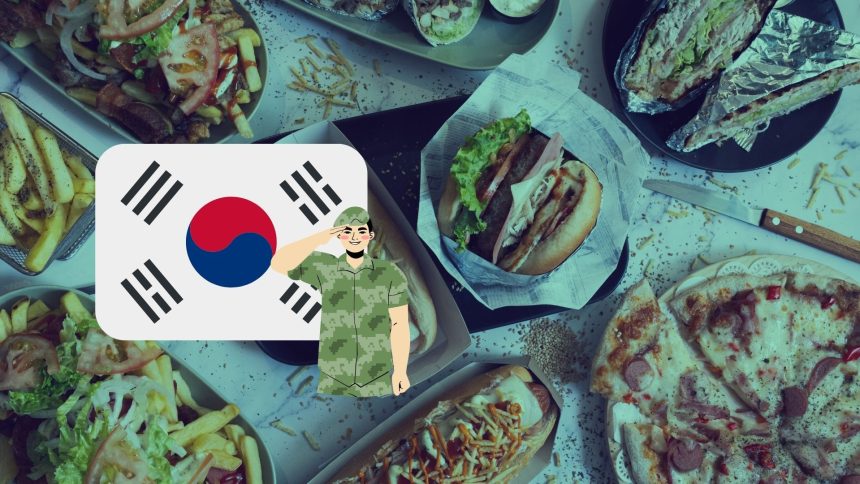
In a society where duty and honor are deeply intertwined, South Korea finds itself grappling with a poignant intersection of health, morality, and national service. The recent conviction of a man who resorted to binge eating as a means to evade military conscription has sparked a tumult of reactions across the nation. Stripping away the veneer of individual choice, this case delves into the broader implications of military obligations, societal pressures, and the lengths to which some may go to escape them.
As South Korea continues to navigate the complexities of its mandatory military draft system, this incident raises pressing questions about personal responsibility and the ethical boundaries of evasion. What does this conviction reveal about the pressures young men face in fulfilling their roles as citizens? This article explores the circumstances surrounding the case, the reactions of the public and government, and the nuanced dialogue it has ignited about duty and health in contemporary South Korean culture.
Legal Consequences of Evasion Tactics in South Korea’s Military Draft System
In a ground-breaking case in South Korea, a man was recently convicted for deliberately gaining weight to avoid mandatory military service — a stark reflection of the strict enforcement of the nation’s military draft system and the severe legal consequences of evasion tactics. The 22-year-old man apparently consumed pizzas, hamburgers, and fried chicken extensively, resulting in a weight gain of 30kg (66lbs) within a short period. As a result, he was deemed unfit for service due to his BMI, a cunning strategy that, unfortunately for him, didn’t go unnoticed.
The case revealed a widespread issue in South Korea, where evasion tactics to dodge military conscription has been increasingly recognized. Punishments for violating the Military Service Act include imprisonment or fines, as confirmed by a high-profile case in 2020, where one conscientious objector received an 18-month sentence.
- Imprisonment: Individuals found guilty can face up to five years in jail.
- Fine: A monetary fine can also be imposed, generally ranging from KRW 500,000 to KRW 7,000,000.
| Date | Name | Punishment |
|---|---|---|
| 2021 | Binge Eater | 18-month Suspended Sentence |
| 2020 | Conscientious Objector | 18-month Imposed Sentence |
The fact that these cases made headlines and resulted in severe legal consequences sends a clear message about the seriousness with which South Korea views evasion tactics in its military draft system. As the global spotlight remains on South Korea’s mandatory military service, it will be interesting to note how the country handles future cases and how far individuals are willing to go to evade the draft.
Psychological and Societal Implications of Binge Eating as a Draft Strategy
The recent conviction of a South Korean man who, quite unusually, used binge eating as a tactic to evade mandatory military service, has shone a spotlight on the gravity and implications of extreme eating disorders and societal pressure. This case has provoked global intrigue, inviting a plethora of questions surrounding the psychological underpinnings that might have compelled such behaviour, and the larger societal dimensions that it implicates. What forces a man to resort to such extents, risking his health and facing legal consequences? Are the societal expectations and pressures so overwhelming that they drive people to adopt harmful coping mechanisms? These questions demand answers.
Psychological Aspects
From a psychological standpoint, it’s evident that the fear of military service acted as a catalyst, inciting the convicted man’s desperate actions. This fear could stem from a variety of reasons, such as personal belief systems, fear of violence, or an inherent phobia of regimented lifestyles. Here, psychological exploration might indicate an underlying anxiety disorder that amplifies fear, leading to drastic actions like binge eating. We might also delve into the mental distress triggered by societal expectations, exploring how this man’s coping mechanisms mirrored those of a binge eating disorder.
- Essential aspects of analysis include:
- Understanding the root cause:
- Establishing the imperative link between societal pressure and mental health.
Societal Considerations
Societally, this case serves to reveal the massive pressure exerted by the mandatory military service, raising questions on the propriety and effectiveness of such a model. Scrutiny must also extend to the societal norms that incite such extremes, calling into question whether they evoke unnecessary stress and fear.
| Aspect | Consideration |
|---|---|
| Impact on mental health | The case prompts a discussion on how societal norms can impact mental health negatively. |
| Effectiveness of mandatory military service | We need to evaluate whether the benefits outweigh the potential psychological harm inflicted. |
while the whole incident is an undoubtedly stressful ordeal for the individual involved, it grabs the world’s attention, opening the floor for necessary conversations on mental health, societal pressure, and the consequences of radical norms.
Reforming Military Exemptions: Balancing National Service and Individual Rights
In a landmark case that highlights the ongoing tension between national service requirements and individual rights, a South Korean court has convicted a man for intentionally binge eating to avoid compulsory military service. The man reportedly consumed an excessive amount of protein shakes, drank alcohol, and ate four meals per day in an attempt to gain weight and be declared unfit for service.
The case has reignited the debate around South Korea’s military service exemptions. The country, still technically at war with North Korea, stipulates that all able-bodied males must serve in the military for around two years. Critics contend that the system is ripe for exploitation and that it undermines individual rights, advocating for a reform of military exemptions.
Currently, the system provides a limited range of exemptions, which include:
- Physical disabilities which severely impair the individual’s ability to perform service duties.
- Mental health issues, as per evaluation by certified professionals.
- Elite athletes, who have won medals in the Olympic or Asian Games, as they contribute to elevating the country’s reputation internationally.
- Classical musicians who have won certain international competitions, recognising their potential to enhance South Korea’s global recognition in the arts.
As the debate around reforms continues, here are two possible scenarios to consider:
| Possible Reforms | Pros and Cons |
|---|---|
| Introducting Alternative Service Options (such as community service) | Allows for conscientious objectors, but could strain public resources |
| Implementing a Voluntary Service System | Could fill manpower needs with those willing to serve, but risks creating social gaps |
Health Education as a Preventive Measure Against Draft Dodging Trends
South Korea has made headlines due to a recent, unusual draft-dodging case. A young man was convicted for intentionally gaining a significant amount of weight in an attempt to avoid military conscription. The case has led experts to reconsider the role of health education in preventing such trends, stressing the importance of teaching the significance of compulsory military service and the potential health risks with malpractices to elude this patriotic duty.
In light of these events, health education reform has been suggested. Such reform could not only emphasize the potential health consequences of engaging in harmful behaviors to avoid conscription but also highlight the punishments for unlawful draft dodging. This could be achieved through a variety of methods:
- Workshops and Seminars: Offering educational talks to raise awareness of the dangers linked with intentional weight gain or other harmful practices for avoiding conscription.
- Curriculum Integration: Incorporating lessons specifically on the legalities and potential health risks associated with draft dodging in high schools.
- Media Campaigns: Utilizing national TV, radio, social media, and newspaper campaigns to highlight the importance of compulsory military service and the consequences of trying to dodge it.
| Punishment for Draft Dodging: | Up to 5 years imprisonment or a fine |
| Estimated Draft Dodgers in South Korea Annually: | Approximately 300 |
| Compulsory Military Service Duration: | 18 to 22 months |
Preventive measures, such as comprehensive health education, may be the key to mitigating the risk of future draft dodging by ensuring youngsters understand not only the severity of the consequences they may face legally but, crucially, the significant risks to their health.
Final Thoughts
In an unexpected turn of events, the South Korean legal system has underscored the complexities and societal pressures surrounding the military draft with its conviction of a man who resorted to extreme measures to avoid service. This case not only sheds light on the lengths individuals might go to evade conscription, but also raises broader questions about the nation’s approach to military obligations and the implications of societal expectations on personal choices.
As South Korea navigates the intersection of tradition and modernity, the conversation surrounding the draft—and the consequences of bypassing it—continues to evolve. Ultimately, this unique legal case serves as a reminder of the intricate dynamics at play in a society where duty and personal agency often collide, leaving us to ponder what this means for the future of military service and individual rights in South Korea.


