


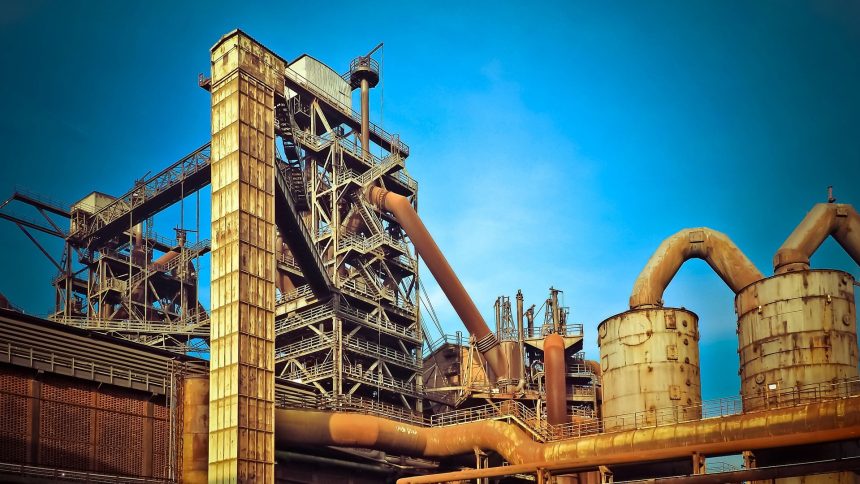
In a significant move that highlights the ongoing evolution of America’s industrial landscape, a major steel plant has been awarded a substantial $500 million investment, courtesy of the Biden administration. This infusion of funds aims to revitalize production capabilities and bolster job creation in an industry that has faced numerous challenges over the past decades. However, as the steel plant gears up for transformation, the implications of this financial boost are far from straightforward.
Voices from various sectors—economists, environmentalists, and industry leaders—are weighing in on what this funding will truly mean for the future of steel manufacturing in the United States. Will it serve as a catalyst for sustainable growth or ignite ongoing debates about economic efficiency and environmental responsibility? In this article, we explore the multifaceted impact of this landmark investment and the diverse perspectives shaping the discussion around it.
Funding Allocation and Its Immediate Effects on Steel Plant Operations
The steel industry, recently made headlines by receiving a massive $500 Million investment from the Biden administration. This pivotal investment is part of the government’s ambitious plan to bolster American manufacturing, strengthen the U.S. economy, and revive industries severely affected by global competition.
Critics, however, are skeptical about the immediate impact of such a funding injection. They argue that this hefty investment might not directly translate to immediate operational improvements or profitability. They propose instead, for funds should be judiciously allocated in key areas:
- Modernization of equipment: Upgrading aging infrastructure and machinery can enhance operational efficiency and product quality.
- Training and development: Investing in human capital can lead to productivity improvement.
- Research and development: Exploring innovative steel production methods can lead to cost savings and environmental benefits.
- Debt repayment: Significant parts of the amount should be used to either service existing debts or reduce financial leverage, thereby improving the company’s financial health.
| Investment Area | Projected Percent of Funding |
|---|---|
| Modernization of equipment | 30% |
| Training and development | 20% |
| Research and development | 25% |
| Debt repayment | 25% |
Furthermore, proponents acknowledge that immediate effects might not be visible but are optimistic about the long-term benefits. They believe this significant investment puts American steel production, on a stronger footing for future competition, sustainability, and profitability.
Long-Term Economic Implications for Local Communities and Workforce Development
When the news broke about a $500M investment in the local steel plant ostensibly from the Biden administration, the widespread euphoria was palpable. For many, it represented hope, renewed prospects for job creation and economic recovery, particularly in an industry that had suffered severe setbacks and braced for turbulent times. However, as the dust from the initial euphoria settles, there appears to be a shift towards a more careful evaluation of this development.
Specialists and experts have varying opinions on what the long-term implications of this development might be. Job creation is at the forefront of these deliberations. With an already experienced workforce ready to step in, the possibility of job expansion cannot be refuted. However, the specifics of these jobs and how they contribute to sustainable workforce development are pivotal.
- Job Security: Will the new jobs offer long-standing security or will they be short-term contracts?
- Job Quality: Will these jobs be of high quality, offering good wages and benefits?
- Innovation Centers: Will this investment spur the establishment of innovation hubs for research and development within the local community?
- Skill development: What is the potential for retraining and skills advancement for the current and future workforce?
| Parameter | Positives | Negatives |
|---|---|---|
| Local Economy | Boost in local spending and revenue | Potential rise in cost of living |
| Workforce | Job creation and skill development | Job security and job quality may vary |
| Environment | Potential for green initiatives and innovation | Enhanced industrial activity could impact environment |
In essence, while the $500M investment has the potential to contribute to local economic rejuvenation and workforce development, caution is necessary. Consideration must be given to not just job creation but also job quality and the long-term impacts on the community. The ultimate goal should be a sustainable local economy whilst uplifting the local workforce.
Environmental Concerns and Sustainability Practices within the Steel Industry
The grant of a whopping $500M financial injection from President Biden’s administration to a notable steel plant has caused a stir in industry circles. This injection, meant to foster growth and development in the steel industry, has been interpreted differently by environmentalists and industry insiders alike. Much speculation is focused on the anticipated environmental impact and how it might tie into sustainability practices within the steel industry.
From the standpoint of environmentalists, their concerns primarily center around carbon emissions, waste management, water usage, and resource depletion associated with steel production. Their concerns are itemized below:
- Carbon Emissions: Steel production is energy-intensive and contributes significantly to global CO2 emissions. They argue that this fund would inadvertently increase greenhouse gas emissions.
- Waste Management: The production of steel results in solid waste like slag and dust. Will the steel plant manage this waste responsibly?
- Water Usage: Steel production utilizes large amounts of water. Environmentalists are concerned about potential strain on water resources.
- Resource Depletion: Steel production is dependent on mineral ores, and increased production can lead to rapid depletion of these natural resources.
Meanwhile, industry insiders maintain an optimistic view, stating that massive investment could lead to the adoption of greener practices such as sustainable sourcing, the use of renewable energy, and investments towards carbon capture and storage technologies. They suggest the funds might be channeled towards:
- Sustainable Sourcing: Supporting the use of recycled metals, thus reducing the reliance on mineral ores.
- Renewable Energy: Upgrading plants with infrastructure to use renewable energy like solar or wind in operations.
- Carbon Capture and Storage: Investing in advanced technologies that capture and store carbon emissions.
| Environmental Concern | Proposed Green Solution |
|---|---|
| Carbon Emissions | Renewable Energy/Carbon Capture and Storage |
| Waste Management | Eco-friendly Disposal Methods |
| Water Usage | Water Recycling Systems |
| Resource Depletion | Sustainable Sourcing |
Whether the steel industry embraces these changes with the given monetary incentive remains to be seen. The debate continues, and all eyes are the steel industry as it journeys towards greater sustainability.
Strategic Recommendations for Maximizing Investment Impact and Job Creation
In spite of the notable boost, it is imperative that the recently received funding is invested strategically to optimize its impact. To begin with, implementing innovative methods and technology emerges as an ideal solution. This can enhance operational efficiency and productivity leading to higher profits. Secondly, the funding should also be invested in training and skills development of the workforce. This step can provide a dual benefit – enhancement of the overall productivity of the plant while also contributing to socio-economic development through job creation and improved skill sets.
- Invest in cutting-edge technology: In order to substantially augment production efficiency and overall profitability, investment in modern technology and machinery is vital. From automated production lines to energy-efficient tools, these can significantly reduce work hours and operating costs.
- Strengthen the workforce: Focusing on developing the skills of the plant’s workforce can result in growth and high job satisfaction. This can include advanced technical training as well as essential soft skills. Not only can this lead to an increase in job retention but it may also attract more skilled workers to the plant.
The table below outlines potential areas of investment and their respective impacts.
| Investment Area | Potential Impact |
|---|---|
| Advanced Machinery and Technology | Increased Production and Efficiency |
| Employee Training and Development | Boosted Morale, Increased Job Retention and Attraction of Skilled Workforce |
On a closing note, we believe that the robust implementation of these recommendations can deliver more than just economic advantages. In the long run, the funding could help transition the plant towards a more sustainable future marked by clean, efficient, and responsible production. An ideal blend of advanced technology and skilled manpower is likely to take the steel plant to greater heights in terms of profit, job creation, and credibility.
Insights and Conclusions
the recent $500 million infusion into the steel plant has sparked a lively discourse around its potential ramifications for the industry, local communities, and the broader economy. While supporters emphasize the prospect of job creation and modernization, critics caution against the complexities of dependence on federal funding and the environmental implications of steel production. As the plans unfold, the debate offers a microcosm of larger discussions about industrial policy, sustainability, and economic resilience in an ever-evolving marketplace.
It remains to be seen how this significant investment will shape the future of not only the steel plant but also the landscape of American manufacturing as a whole. As stakeholders continue to weigh the benefits and concerns, one thing is clear: the implications of this funding are profound and will reverberate far beyond the walls of the steel mill.


