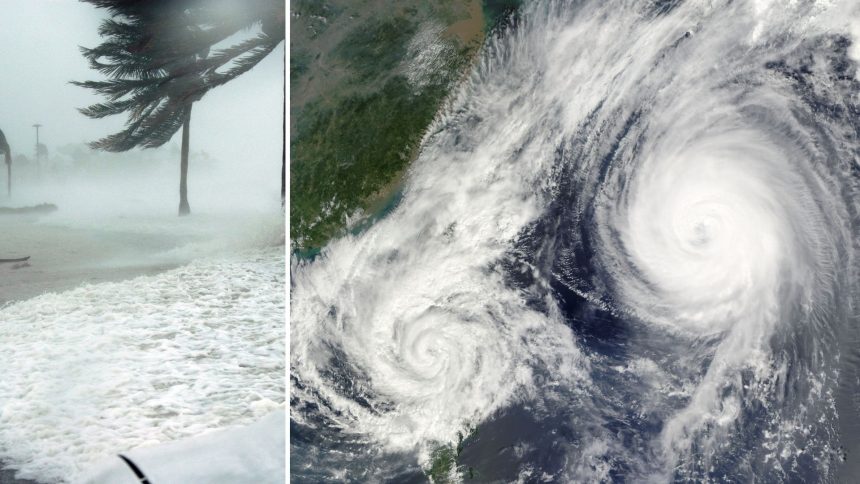
In an age where the planet’s climate is shifting, the term “superstorm” has entered the global lexicon with chilling resonance. These meteorological giants, fueled by warming oceans and atmospheric turbulence, have the power to reshape landscapes and lives in their wake. Super typhoons, with winds that roar like freight trains and rainfall that can flood cities in mere hours, stand at the forefront of this escalating tempest. As communities across the world face the ferocity of these weather phenomena, understanding their impact becomes increasingly crucial.
This article delves into the harsh realities faced by those who endure the wrath of super typhoons and superstorms, exploring not just the immediate destruction, but the long-term repercussions that ripple through communities, economies, and ecosystems. In tracing the paths of these formidable storms, we unravel the intricate tapestry of resilience and vulnerability woven into the fabric of our interconnected world.
The Rising Tide: Understanding the Science Behind Super Typhoons and Superstorms
Super typhoons, and superstorms are subject to increasing concern across the globe. Their frequency and severity seems to be on a worrying uptrend, with colossal damage inflicted on communities worldwide. Known for their exceptional potency, these natural disasters are a force to be reckoned with. They deliver a terrifying cocktail of extreme wind speeds, heavy rainfall, and severe sea surges.
The science behind these super typhoons and superstorms is rooted primarily in our warming planet. As ocean surface temperatures rise, the strength of these storms intensify. This is because warmer oceans lead to more evaporation, which fuels the storm and can boost its ferocity. Additionally, rising sea levels contribute to more potent and destructive storm surges.
Super Typhoons:
- Forces of Wind: Exceed typical wind speed thresholds, ranging from 150-250km/h
- Rain and Storm Surge: Capable of delivering fatal storm surges and torrential rainfall
- Frequency: Occurrences are becoming more frequent in the Pacific and Atlantic oceans
Superstorms:
- Unique combinations: These feature unusual combinations of extreme weather events
- Scale of Impact: Cause widespread destruction over large geographical areas
- Climate change: Warmer planet means larger supplies of energy to fuel these destructive storms
| Storm Type | Peak Season | Most Affected Areas |
|---|---|---|
| Super Typhoon | June – December | East Asia, Pacific Islands |
| Superstorm | Variable | Global, varies based on type |
| Normal Storms | June – November | Atlantic coasts, Gulf of Mexico |
Reducing the impact of these devastating weather events requires a multidisciplinary approach, encompassing protective measures, advanced predictions, and sustainable climate action. However, the real game-changer would be slowing down global warming and reducing our carbon footprint. Research continues to shed light on these intense weather phenomena, which will hopefully steer our interventions in the right direction.
Impacts on Resilience: How Communities Can Prepare for Increasing Storm Intensity
Historically, storms were seen as natural disasters that communities prepared for with tools like sandbags, evacuation plans, and emergency supplies. However, with increasing storm intensity due to climate change, these measures are no longer sufficient. To increase resilience in our communities, we must transform and adapt the way we prepare. From infrastructural changes to policy reforms and community participation, various strategies can fortify a community’s ability to withstand the destructive impacts of superstorms.
Infrastructure Enhancements: We must rethink and redesign our infrastructural systems. The urban planning should incorporate flood-resistant structures, improved drainage systems, and coastal barriers. Consider the potential success of modular stormwater management, creating opportunities for water to be absorbed back into the ground instead of overstressing drains. Also, construction regulations should be upgraded to ensure houses and buildings can withstand intense storms. For instance, homes could be built with higher based foundations, roofs with greater wind-resistance, and the inclusion of safe rooms.
| Strategies | Examples |
|---|---|
| Policies and Regulations | Climate-smart zoning and land use policies, Subsidies for storm-resistant construction |
| Community Participation | Local disaster preparedness drills, Community risk mapping |
Policies and Regulations: These can provide the necessary framework to enforce resilience measures. For instance, climate-smart zoning and land use policies can discourage construction in flood-prone areas, while subsidies and financial incentives can encourage storm-resistant construction. Furthermore, a robust system for early warning and timely evacuation can save countless lives.
Community Participation: The role of community participation in resilience cannot be overemphasized. Encouraging local disaster preparedness drills, community risk mapping, and creating awareness about the increased risks of climate change can foster resilience at a grassroots level.
Lessons from the Field: Case Studies of Recovery and Rebuilding After Devastation
In the face of increasing global climatic events, the aftermath of super typhoons and superstorms play out a significant parallel across various communities worldwide. The havoc wreaked by these natural calamities essentially wipes out everything in their path, leaving communities to start from scratch. Despite the sheer scale of the devastation, it is the period of recovery and rebuilding that presents a trove of lessons and insights. For instance, the typhoon Haiyan that tore through the Philippines in 2013 or more recently, the superstorm Sandy that battered the Eastern Seaboard of the USA. These events have shown us that resilience and unity are key in overcoming such adversities.
Recovery efforts vary depending on the local resources and the severity of the disaster. One common thread, however, is that recovery is a lengthy process involving stabilisation, reconstruction, and revitalisation. Various strategies are applied based on specific needs. The following are examples:
- Stabilisation: Emergency needs are prioritised, which can involve temporary housing, food distribution, and medical care.
- Reconstruction: Involves repairing, rebuilding or even relocating homes, and restoring infrastructure.
- Revitalisation: Focused on long-term recovery planning to improve social, economic, and environmental conditions.
It’s important to note the role played by both, international aid organizations and local community members, in mitigating this monumental task. The strategy employed is not without its challenges, but with determination, unwavering spirit, and effective collaboration, these communities have been able to rise from the ashes, time and again, exhibiting their resilience.
| Disaster | Location | Year | Death Toll | Recovery Timeline |
|---|---|---|---|---|
| Typhoon Haiyan | Philippines | 2013 | 6300+ | 7+ years |
| Superstorm Sandy | USA | 2012 | 233+ | 6+ years |
These case studies serve as a compelling reminder that while disaster recovery is complex and challenging, it’s not insurmountable. Every catastrophe brings forth lessons that can aid in handling future emergencies, setting out a path that other disaster-prone communities can follow for effective and efficient recovery.
Global Collaboration: Strategies for Mitigating the Effects of Extreme Weather Events
As our planet grapples with the harsh realities of climate change, one stark and troubling manifestation of this global issue is the increasing occurrence of extreme weather events. Super typhoons and superstorms are a prime example – these monstrous weather systems have wreaked havoc on communities worldwide, resulting in immense human and economic losses as well as irreversible damages to local ecosystems. Mitigating the impact of these catastrophic events is a challenge that spans not just nations but continents, a problem that requires global collaboration to successfully conquer.
The strategy to lessen the blow of these phenomena includes robust international collaboration and the implementation of advanced technological means. Some effective strategies could be:
- Building Resilient Infrastructure: Investment in sturdy, climate-resilient infrastructure can play a significant role in reducing the devastation caused by such calamities. High-tech weather forecasting systems, storm-resistant structures, and emergency response facilities are just a few of the measures that can help communities weather the storm.
- Natural Buffer Zones: Strengthening and restoring natural buffer zones, such as mangroves and coral reefs, can considerably mitigate the effects of violent coastal storms while also preserving biodiversity.
- Preparedness and Disaster Management: Ensuring preparedness at community, national, and international levels, including efficient disaster management teams and early warning systems, can lower the risk to human lives and economic losses.
| Aid Efforts | Collaboration Efforts |
|---|---|
| Emergency Relief | Sharing Resources |
| Reconstruction & Restoration | Expert Exchange Programs |
| Resilience Building | Joint Research Initiatives |
In the face of these climate challenges, global collaboration will be the key. Joining hands across borders not only shares resources but also ideas and expertise, with technology and nature working together to protect our shared home from the ravages of extreme weather events.
In Conclusion
As we navigate the turbulent waters of climate change, the rise of super typhoons and superstorms has become an undeniable reality, reshaping landscapes and lives alike. These relentless forces of nature serve as a stark reminder of our planet’s fragility, forcing communities to adapt, rebuild, and in many cases, start anew. While the immediate devastation remains heart-wrenching, stories of resilience and recovery also emerge, showcasing the strength of human spirit in the face of adversity.
As we reflect on the challenges posed by these extreme weather events, it is essential to foster a collaborative global response that not only addresses the immediate impacts but also paves the way for more sustainable practices and improved disaster preparedness. Ultimately, the dialogue surrounding super typhoons and superstorms invites us to rethink our relationship with nature and to prioritize the well-being of vulnerable populations who bear the brunt of these climatic upheavals.
In the face of such daunting challenges, let us remain informed, engaged, and united in our efforts to build a more resilient future for all. After all, it is not just the storms we must contend with; it is the legacy we leave behind for the generations yet to come.