


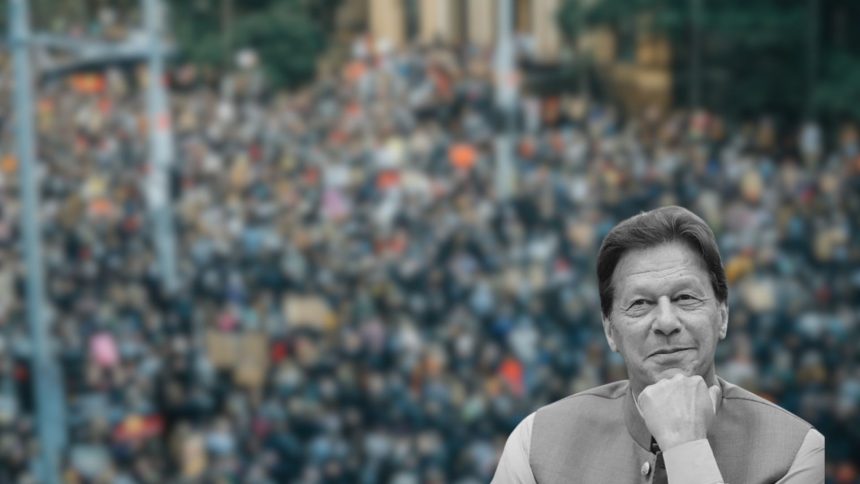
In the heart of Pakistan’s political landscape, tensions continue to simmer as supporters of former Prime Minister Imran Khan take to the streets of Islamabad in a fervent demonstration of loyalty and dissent. Following the controversial incarceration of Khan, an emblem of populist politics and reform, thousands have rallied to voice their discontent with the current regime.
As chants echo through the capital and placards wave defiantly in the air, this protest not only highlights the deep-seated divisions within the nation but also underscores a pivotal moment in Pakistan’s tumultuous political narrative. As citizens navigate the crossroads of democracy and dissent, the unfolding events in Islamabad paint a vivid picture of a populace grappling with its ideals and aspirations in the face of adversity.
Supporters Rally: A Closer Look at the Motivations Behind the Protests
Thousands of determined supporters waving banners and chanting slogans partook in a massive rally in Islamabad. The sea of protestors marked their stand against the unjust imprisonment of ex-prime Minister Imran Khan, a leader they revere. Their heartbeats synchronized in the rhythm of their demand – “Justice For Khan”. Throughout the downtown streets, their singular cry echoed, forging an atmosphere charged with raw emotion and unyielding resolve.
Peering beneath the enlarged banners and resonating chants, a deeper narrative unfolds. For these demonstrators, the protest extends beyond the former PM’s release. It is a battle cry against what they perceive as the systematic undermining of their fundamental rights and the democratic principles of their nation.
- Lost Confidence in the Judiciary: Many protesters expressed their weariness over the prevalent corruption in the justice system, which they believe led to Khan’s wrongful incarceration.
- A Cry for Democratic Integrity: A significant proportion of the assembled crowd was seen denouncing what they perceive as governing powers chipping away at the democratic roots of the nation.
- Pushback Against Economic Policies: The grassroot level discontent over rising inflation and stagnant wages were also fueling factors for this rally. They draw a direct link between economic woes and the absence of Khan’s leadership.
| Protestor Motivations | Estimated Proportion (%) |
|---|---|
| Freedom for Khan | 40 |
| Fair Judiciary | 30 |
| Upholding Democracy | 20 |
| Economic Reforms | 10 |
Considering these motivations provides a more nuanced view of why these supporters continue to rally persistently. Their actions and the intensity of their protests indicate a drive to safeguard their national identity and their rights as citizens from the perceived failures of the current regime.
Voices of Dissent: Understanding the Demands of Imran Khans Supporters
In the heart of Islamabad, the supporters of former Prime Minister Imran Khan have staged massive protests, demanding fair treatment and his immediate release from incarceration. The cries of dissent echo around the streets as people come together to voice their support for this eminent personality. These protests have reignited the conversation around the political climate in Pakistan, shedding light on the deep-set problems within the system.
The Demands of the Protesters
For those unfamiliar, let’s look into the primary demands set forth by these bold dissenters.
- Immediate Release of Imran Khan: This lies at the crux of the protests. The supporters vehemently argue that the charges laid against the former Prime Minister are steeped in bias and demand his immediate release.
- Demanding Political Transparency: The protesters aren’t just in the streets for Khan’s freedom, but are also advocating for increased transparency within Pakistan’s political machinery.
- Addressal of their Grievances: The crowd seeks acknowledgment and resolution of their grievances from the present government, which, in their opinion, has been turning a blind eye to the real issues facing the nation.
These demands reflect a collective sentiment of discontentment, dissent, and demand for justice. Using the platform provided by the protests, Khan’s supporters seek not only to pave the way for his release but to bring about broader changes in the political landscape of the country. Their voices, together, demand accountability, justice, and transparency.
| Immediate Release of Imran Khan | The primary demand is the release of the former PM, who they believe is wrongfully imprisoned. |
| Political Transparency | They advocate for transparency, contesting the fairness of the political processes. |
| Addressal of Grievances | The government’s supposed overlook of public grievances form a significant part of the dissent. |
While it remains to be seen what impact these protests will have on Khan’s condition and the wider political scenario, it’s clear that the voices of dissent are ensuring their concerns are heard loud and clear. The future is uncertain, but one thing is for sure: Imran Khan’s supporters will continue their struggle in pursuit of their vision for a more transparent and just Pakistan.
The Political Climate: Analyzing the Implications of Khans Imprisonment
Weeks of tensions have reached their climax in Islamabad as supporters of former Prime Minister Imran Khan flooded the streets to protest his unexpected arrest. Khan, an iconic figure in Pakistani politics, was detained after the Supreme Court found him guilty on charges of corruption stemming from his tenure as Prime Minister. The decision sparked widespread debate among political pundits and ordinary Pakistani citizens due to its profound implications on Pakistan’s political landscape.
Backed by the resilient Pakistan Tehreek-e-Insaf (PTI) party, Khan’s supporters were seen carrying placards with messages such as “Free Khan”, “Not Guilty”, and “Fight Against Corruption” echoing the streets of Islamabad. The demonstration is deemed as a direct challenge to the ruling establishment and may stir the already turbulent political climate in Pakistan. Here’s a quick look at what Khan’s imprisonment might entail:
- Deepening political instability if Khan’s supporters refuse to acknowledge the new government
- Fresh elections that may lead to a complete political overhaul
- A possible upsurge of extremism if the political void isn’t filled quickly
| Year | Political Event | Outcome |
|---|---|---|
| 2018 | Khan Elected as Prime Minister | PTI Forms Government |
| 2022 | Khan Imprisoned on Corruption Charges | Political Uncertainty |
In spite of the intensifying tensions, the Khan supporters’ protest in Islamabad reveal the extent to which many Pakistanis are willing to stretch their democratic rights. The unfolding events following Khan’s imprisonment might witness a significant shift in the political climate of Pakistan, inevitably shaping its crucial future horizon and challenging the resilience of its people.
Path Forward: Recommendations for Dialogue and Reconciliation in Pakistan
In the face of growing tension and unrest in the capital city of Islamabad, due to public protests supporting jailed ex-Prime Minister Imran Khan, there is an urgent need for dialogue and reconciliation mechanisms to prevail in order to restore peace. The public outcry at the imprisonment of the popular leader and former cricket star echoes the greater societal discord that is prevalent in Pakistan. Taking this into account, the presented recommendations aim to facilitate a democratic consensus while minimizing conflict and upholding the rule of law.
Engagement of Civil Society:
Civil society organizations, independent from state authorities, hold a broad perspective of societal issues as they’re deeply embedded in the community fabric. Through dialogues and roundtables, they can mediate between disgruntled public factions and the current government. Here are some concrete steps they can adopt:
- Organize roundtable discussions among various stakeholder groups
- Conduct workshops on dispute resolution and democratic dialogue
- Build empathy by sharing stories of those affected by the political conflict
By virtue of being centers for learning and contemporary discussion, universities can also play a pivotal role:
| Role of Universities | Possible Initiatives |
|---|---|
| Platform for Dialogue | Host debates and discussion forums |
| Academic Input | Provide scholarly insights into democratic transition |
| Social Impact | Engage students in community outreach and peacebuilding activities |
Legal Reforms:
Lastly, legal reforms should be initiated to enhance transparency, accountability, and appeal mechanisms in legal proceedings, thus building public trust in the judiciary. This can be further improved by inviting international observers during trials of high-profile political figures to ensure impartiality.
following these recommendations can put Pakistan on a path toward reconciliation, maintaining democracy and ensuring justice for all its citizens.
Key Takeaways
As the sun dipped below the horizon, casting long shadows across the streets of Islamabad, the echoes of protest reverberated through the city. Supporters of Imran Khan, once at the helm of political power, gathered in a testament to their unwavering loyalty and conviction. Their voices, a blend of hope and defiance, punctuated the evening air, a reflection of the complex tapestry of Pakistan’s political landscape.
While the future remains uncertain for Khan and his followers, one thing is clear: the struggle for justice and representation continues to pulse at the heart of this nation. Whether seen as a movement rooted in fervent support or viewed through the lens of political contention, the significance of these protests cannot be underestimated. They not only highlight the passion of the populace but also serve as a reminder of the delicate balance between leadership and accountability.
As we close the chapter on today’s events, the story does not end here. The dialogues ignited in these moments of unrest will resonate, shaping the discourse of tomorrow. In a country where politics often dances on the edge of tumult, the voices of the people will undoubtedly play a critical role in the ongoing narrative of Pakistan’s democratic journey.


