


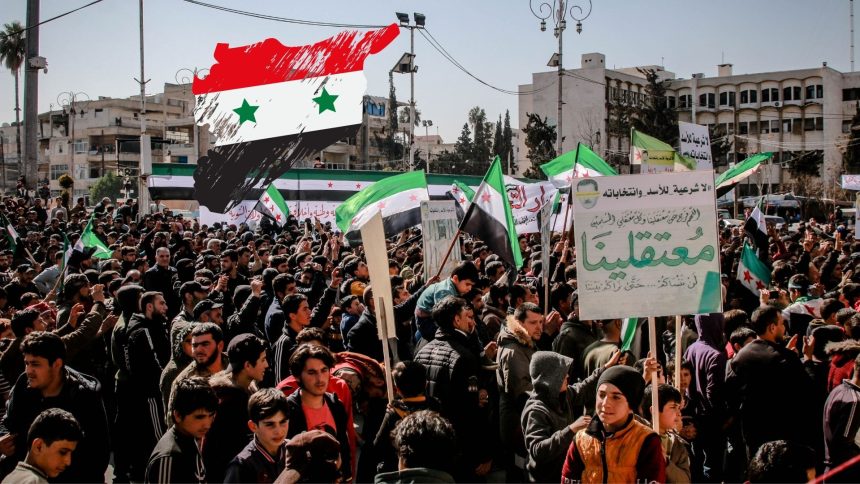
In a landscape marred by a protracted conflict, the city of Daraa has emerged as a poignant symbol of the shifting tides in Syria’s brutal civil war. Once a cradle of protest during the 2011 uprising, Daraa has experienced years of intense fighting, shifting allegiances, and a humanitarian crisis that has left scars on its populace. Recent developments indicate that the Syrian government is losing its grip on this strategic city, a pivotal point that holds both historical significance and practical implications for the ongoing power struggle in the region.
As the dynamics of control evolve, the implications for the government, opposition forces, and the civilian population raise urgent questions about the future of governance, security, and stability in Syria. This article delves into the circumstances surrounding the loss of control in Daraa and explores what it means for a country still reeling from the effects of war.
The Evolution of Daraa: A Historical Overview of Its Strategic Importance
Daraa, often referred to as the ‘cradle of revolution,’ has been a significant city in the Syrian civil war. This strategic city has been in constant flux with the changing power dynamics of the conflict and, most recently, had slipped from the control of the Syrian government. The real significance of Daraa lies in its geographical location and the socio-political importance it holds in the Syrian domain.
In terms of geographical importance, Daraa serves as a major access point to the Jordanian border. This position provides any controlling force with a strategic advantage in terms of logistics, trade and military operations:
- Logistics: Control of Daraa enables easy movement of materials and resources from neighboring countries.
- Trade: The city’s proximity to Jordanian markets makes it a commercial hotspot that can be used to bolster economies.
- Military operations: Control of Daraa considerably enhances military strategies by providing an advantageous point for both offensive and defensive operations.
In addition to these, Daraa’s socio-political bearing has significantly evolved since the war began. The city is home to several significant historical sites, and its status as the starting point of the revolution adds to its symbolic value. As such, control over Daraa is often seen as a moral victory, which can have a significant impact on the morale of both soldiers and citizens alike.
| Year | Control of Daraa |
|---|---|
| 2011 | Anti-Government Protestors |
| 2018 | Syrian Government Forces |
| 2021 | Rebels |
The fluctuating control of Daraa over the years highlights not just the volatility of the Syrian Civil War but also the strategic importance this city holds for both sides of the conflict. In the broader canvas of the Syrian civil war, the recent loss of governmental control poses several questions on the future of Daraa and its symbolic importance in the unfolding narrative of the Syrian conflict.
The Impact of Daraas Shifting Control on Regional Security Dynamics
In a major blow to the Syrian government, Daraa, a key southern city, has fallen out of their control. This crucial development has shook regional security dynamics. While this changing control has triggered a widespread panic among the authorities in Damascus, it has simultaneously instigated a wave of hope among the resistance groups aiming to destabilize the regime.
The armed group that seized control of Daraa held the reins of the city through a well-planned and fierce offensive. The toppled administration was unprepared for this sudden shift in power, causing a drastic ripple effect on regional security. This pivotal change in control has:
- Increased the potency of armed rebels: These groups are now more equipped and empowered, which could catalyze further unrest in the region.
- Created a power vacuum: The lack of a strong administration in Daraa opens doors for external elements, such as terrorist and extremist groups, to exploit the situation.
- Bolstered foreign interference: Regional powers with vested interests might seize this opportunity to make their presence felt.
Below is a brief table highlighting the role of significant regional players in the aftermath of this shift in control:
| Regional Player | Stance | Potential Actions |
|---|---|---|
| Iran | Supportive of former administration | Increased funding to combat rebellion |
| Turkey | Supportive of the rebellion | Possible military aid to rebel forces |
| ISIS | Opportunistic | Might try to expand their foothold in the region |
All of these factors combined significantly escalate the gravity of the regional security dynamics, creating an environment teeming with uncertainty and fragile alliances. While the full impact of Daraa’s shifting control remains to be seen, it is evident that it has set a new course for the region’s security milieu.
Humanitarian Implications: Addressing the Needs of Displaced Populations in Daraa
The humanitarian implications in the wake of the Syrian government losing control of the crucial city of Daraa remain severe. The further displacement of people owing to ongoing armed conflict has amplified the need for immediate and effective aid. The continued violence has forced families, children, and individuals to abandon their homes, leading to an alarming situation unfolding across the city.
Both international and local humanitarian organizations are striving to address these rising needs. These groups are providing displaced populations in Daraa with much-needed support and relief. Their actions are focused in several key areas:
- Food and Water: Immediate access to food and clean water is the most urgent need for displaced populations in Daraa.
- Shelter: Provision of a safe space to those who lost their homes in the conflict. Temporary housing materials, plastic sheeting, and blankets are of great significance.
- Medical Aid: The conflict has resulted in many injuries and illnesses needing urgent medical attention. Delivery of medical supplies and maintaining access to healthcare are crucial.
The issue of displacement in Daraa, however, is complex, and meeting all these needs proves challenging. An overview of the situation is given in the following table:
| Category | Impact | Response |
|---|---|---|
| Food and Water | Severe shortages noticed | Relief food and water being provided |
| Shelter | High number of displaced individuals | Temporary shelters being constructed |
| Medical Aid | Shortage of medical supplies and access to health facilities | Medical camps being set up and supplies delivered |
The unfolding scenario continues to pose great risks, and greater collaborative efforts will be necessary to provide relief and aid to the displaced people of Daraa.
Pathways Forward: Recommendations for International Engagement and Support in Syria
The current political and humanitarian crisis in Syria that is culminating with the government’s loss of control over the key city, Daraa, has significant implications for the international community. This highlights the urgent need for far-reaching strategies and initiatives from international actors to aid in restoring peace and stability in the region.
Firstly, representation and inclusion of Syrian civil society in peace negotiations should be prioritized from here on. Improving the Syrian peace process’ inclusivity could begin with supporting local ceasefire agreements. This could happen through creating forums for dialogue and decision-making that include representatives from affected communities.
- Assist local councils with technical and financial resources
- Support women-led local initiatives both politically and financially
- Engage and build relationships directly with civil society organisations
These measures can serve to rebuild trust within communities, encourage peaceful conflict resolution, and foster social cohesion.
It is equally important to pressure all parties to honour commitments to international humanitarian and human rights law. Legal accountability is key to recognising historical injustices and preventing future atrocities.
| Recommendation | Expected Outcome |
| Support local ceasefire agreements | Promote dialogue and peace |
| Provide resources to local councils | Strengthen local governance |
| Invest in women-led initiatives | Increased inclusivity and empowerment |
| Promote legal accountability | Prevention of future atrocities |
International support should also extend to aiding in the delivery of humanitarian aid. This involves not just providing financial resources, but also helping to ensure safe and unimpeded access for aid delivery to the most vulnerable.
The path ahead for Syria is undoubtedly complex and fraught with challenges. Yet, these recommendations provide potential avenues for the international community to play a constructive role in supporting Syria’s journey towards lasting peace and stability.
In Retrospect
As the dust settles in Daraa, a city once hailed as the cradle of the Syrian revolution, the loss of control by the Syrian government marks yet another pivotal moment in the country’s protracted conflict. The shifting dynamics on the ground reflect not just a struggle for power but also the unyielding resilience of a populace that has endured years of turbulence. While the implications of this development reverberate far beyond Daraa’s borders—casting shadows on regional stability and international diplomacy—the fate of the city remains uncertain, teetering between further chaos and the prospect of a fragile peace.
As we move forward, the global community watches closely, aware that the ripples of this loss could alter the course of the ongoing saga in Syria. In a land steeped in complexity, the narratives of resistance, survival, and hope continue to unfold, beckoning us to ponder what lies ahead in the shadow of change.


