


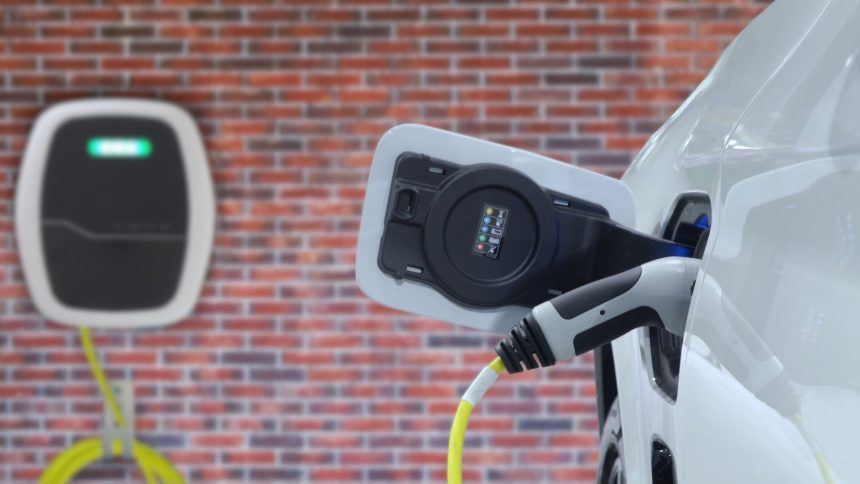
In the ever-evolving landscape of American politics, the discourse surrounding electric vehicles (EVs) has become a potent flashpoint—a crossroads where environmental ambition meets industrial pragmatism. At the forefront of this dialogue is former President Donald Trump, whose rhetoric on electric vehicles has sparked both fervent support and fierce opposition. As the nation grapples with the imperatives of climate change and economic revival, the contrasting narratives surrounding EVs reveal much about the broader ideological battle shaping contemporary America.
This article delves into the intricate tapestry of Trump’s statements, policies, and the ground realities of the electric vehicle market, unraveling the complexities of an issue that is both politically charged and technologically transformative. Join us as we navigate the intersections of rhetoric and reality in the ongoing electric vehicle battle, where promises of a greener future collide with the demands of the present.
Understanding Trumps EV Policy: Promises vs. Practices
During President Trump’s tenure, a clear divide emerged between his administration’s public promises and their put-to-practice policies concerning electric vehicles (EVs). Publicly, Trump vowed to champion American car manufacturing, including the burgeoning EV sector. However, a close look at the policy moves shows a less supportive stance. The administration attempted to revoke California’s right to set its own stricter emissions standards, which would have catalyzed greater EV production. Budget proposals consistently aimed to eliminate the federal tax credit for EVs, a significant incentive for consumer uptake.
| Year | Policy Action | Impact on EVs |
|---|---|---|
| 2017 | Attempted revocation of California emissions rights | Negative |
| 2018 | Proposed budget cut to EV tax credit | Negative |
Similarly, the Trump Administration’s rhetoric around EVs often contradicted the realities of their policy. Despite frequent public claims that Trump’s policies fostered EV growth, the U.S. electric vehicle market share actually lagged far behind other developed countries. A key reason for this disparity was the administration’s rollback of Obama-era fuel economy standards, which would have required car manufacturers to improve fleet average fuel economy and earmarked greater investment in EV technology.
Trump’s EV Policy Reflection:
- Policy claims: Championing American automobile industry, including EVs.
- Policy actions: Rolling back emissions standards that would have encouraged EV growth.
- Market outcome: U.S. EV market share underperformed relative to other developed countries.
The Economic Landscape of Electric Vehicles: Opportunities and Challenges
The era of electric vehicles (EVs) is rapidly converging on us. Under the Trump administration, the political narrative has consistently characterized EVs as a niche product incapable of matching the potency, reliability, and convenience of their traditional gas-powered rivals. Yet, the reality stands in stark contrast to this rhetoric, exposing a burgeoning market segment full of potential and teeming with opportunities.
Opportunities:
- The large pool of unexplored customers: A significant portion of the American populace is still untapped as they are unaware of the benefits and functionality of electric vehicles. This presents a massive growth opportunity for EVs.
- EVs as a boon for job creation: The manufacturing of EV components, installation, and servicing of charging infrastructure have the potential to create an array of jobs in the near future.
- Contribution towards a cleaner environment: EVs can play a pivotal role in curbing air pollution, thereby contributing to a healthier planet.
Challenges:
- Establishment of charging infrastructure: One of the major hurdles facing EVs is the lack of sufficient charging stations, which can inhibit the adoption rate of EVs.
- Battery technology and range anxiety: The current battery technology still needs significant improvements in terms of cost, efficiency and driving range of EVs.
- Initial pricing: Despite the long-term cost benefits, the initial upfront cost of electric vehicle is higher than conventional gas-powered cars, which can deter potential buyers.
| Categories | Opportunities | Challenges |
|---|---|---|
| Market Potential | Huge unexplored customer base | Consumer apprehension due to change |
| Job Creation | High job creation potential | Displacement of traditional auto jobs |
| Environmental Impact | Potential for significant emission reduction | Concerns about electricity sources and battery disposal |
| Technical Aspects | Innovation in EV technology and infrastructure | Hurdles in charging infrastructure, battery technology |
Consumer Perspectives on Electric Vehicle Adoption: Navigating Misinformation
Throughout his presidency, Donald Trump made a name for himself as a vocal critic of electric vehicles (EVs), favoring fossil fuels over renewable energy. It was a sentiment echoed in his policy decisions, which sought to curtail clean vehicle standards and slash electric vehicle tax credits. Many consumers have been left questioning, is the EV industry doomed in a fossil fuel-centric economy?
Interestingly, the facts suggest a different reality. Amid the chaotic din of political rhetoric, EV adoption has been quietly and steadily on the rise in the United States over the past few years. In fact, despite the seeming pervasiveness of pro-fossil fuel sentiments, the trends indicate a growing public acceptance and increased market demand for electric vehicles.
Consumer Trends: The Real Picture of EV Adoption
Despite political debates, the actual story of EV adoption in the American marketplace is one of consistent and robust growth. According to a report from the International Energy Agency (IEA), the number of electric cars, vans, trucks and buses on the road is predicted to reach 145 million by 2030. The research further reveals that new EV registrations have doubled over the past year, hinting at the burgeoning consumer demand.
Global increase in electric vehicles (IEA estimates for 2030):
Strategies for a Sustainable EV Future: Bridging Rhetoric and RealityDespite the constant bombardment of political rhetoric from the Trump administration painting electric vehicles (EVs) as a threat to the American automobile industry, the evidence points towards a more hopeful future. The argument that EV’s will lead to job loss is not supported by the present growth in the EV sector. On the contrary, a surge in EV manufacturing and infrastructure developments are likely to create more job opportunities. Market trends suggest a movement toward embracing greener transportation methods, with a record-breaking 361,000 EVs sold in the US in 2018.
| Vehicle Type | Number (Millions) |
|---|---|
| Cars | 115 |
| Vans | 10 |
| EV Sales in the US | Year |
|---|---|
| 2015 | 180,000 |
| 2016 | 159,139 |
| 2017 | 199,826 |
| 2018 | 361,307 |
Realizing a Sustainable EV FutureIn order to bridge the gap between rhetoric and reality and ensure a sustainable EV future, it is crucial to:
- Invest in EV Infrastructure: Widespread adoption of EVs requires extensive charging infrastructure
- Provide Government Incentives: Government incentives can help to offset the upfront costs of EVs
- Promote EV Education: There is a need for public education programs to dispel misconceptions about EVs
Indeed, the gap between the political rhetoric and the reality of electric vehicles is wide. However, if we address these key areas effectively, we can start to bridge this gap and move towards an EV future that benefits us all economically, environmentally and socially.To Wrap It UpAs we draw the curtain on our exploration of “Trump’s EV Rhetoric vs. Reality: The Electric Vehicle Battle,” it becomes clear that the conversation surrounding electric vehicles is as complex as the technology itself.
While bold proclamations and promises can often ignite enthusiasm and debate, the true path to a sustainable automotive future is paved with nuanced considerations—economic, environmental, and social. The rhetoric may shine a spotlight on the potential of electric vehicles, painting a vivid picture of innovation and progress, but the reality often tells a more intricate story.
From infrastructure challenges to market dynamics and consumer behaviors, the evolution of EVs requires a balanced approach that considers all facets of the industry. As stakeholders from every corner of the nation continue to navigate these waters, the dialogue surrounding electric vehicles will remain pivotal—not just in shaping our roads, but in determining the course of our collective future. Whether through policy, innovation, or public discourse, it’s clear that the electric vehicle landscape will evolve, and with it, the narratives we craft around it. The journey is only just beginning, and it is one that demands our attention, engagement, and commitment to finding common ground.


