


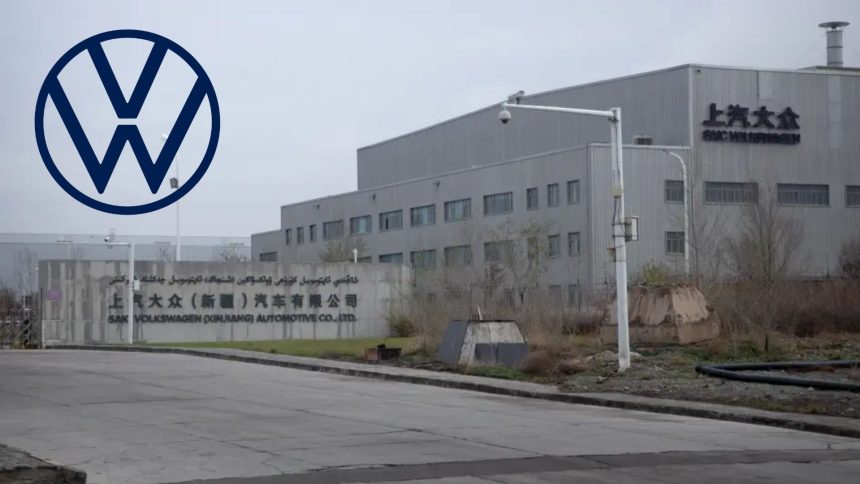
In a striking turn of events, Volkswagen has made headlines by announcing the sale of its car manufacturing plant in Xinjiang, a decision rooted in what the automotive giant describes as ‘economic reasons.’ This move not only reflects the dynamic shifts within the automotive industry but also raises questions about the broader implications of business decisions in geopolitically sensitive regions. As global markets grapple with increasing pressure for ethical sourcing and production, Volkswagen’s divestment prompts a reevaluation of the intersection between corporate strategy and socio-political realities. In this article, we explore the factors driving this significant transition, the potential impact on the local economy, and what it reveals about the future of international business in an ever-evolving landscape.
Volkswagens Strategic Shift: Understanding the Economic Rationale Behind the Sale
Globally recognized automobile giant, Volkswagen has waved goodbye to its car factory located in Xinjiang, attributing this strategic shift to economic considerations. When delving deeper into its gravity, the economical context finds various inherent forces propelling such a decision by the company.
Firstly, the region has been at the forefront of irresistible international pressure due to on-going reports alleging human rights disruptions. Volkswagen’s footprint in such area has been raising its risks of reputational damage. To emphasize:
- Reputational Risk: In today’s digital environment, preserving a brand reputation is more critical than ever. With public pressure escalating rapidly due to alleged human rights issues in Xinjiang, establishing continuous operations in the region has potential of painting a negative image on Volkswagen’s brand.
- Political Pressure: Increasing international scrutiny over the region’s human rights situation has added political pressure on businesses operating there. Recently, Western countries like the US have been imposing sanctions, which Volkswagen would want to dodge to prevent possible supply chain disruptions.
In addition, escalating production costs in the region can be seen as another plausible reason. In recent years, labor wages have sharply risen in China, resulting in increased production costs for manufacturers. Incidentally, Volkswagen’s cost-saving measures have been integral to their business strategy over the past few years.
| Economical Factors |
|---|
| Labor costs increase in China |
| Shift towards cost-saving measures |
| Trade barriers due to political pressure |
While this strategic move undoubtedly will influence Volkswagen’s overall presence in Chinese market, it showcases the brand’s prudent approach in aligning its manufacturing strategy with economic and geopolitical trends.
Implications for the Automotive Industry: Assessing the Impact on Global Supply Chains
Volkswagen recently made headlines with its announcement to sell its car manufacturing unit in Xinjiang. The German multinational cited ‘economic reasons’ for the move, stirring debates over the cascading effects on the automotive industry and its global supply chains. Volkswagen’s Xinjiang factory, one of the major hubs in the Asian automobile industry, has been a pillar of strength for global automobile supply chains.
The repercussions of this decision are expected to ripple across the entire automotive industry. Several key changes can be anticipated:
- Changes in Sourcing: As companies aim to diversify their supply chain to reduce dependency on a single source, we may witness a shift from Xinjiang to other automotive manufacturing hubs around the world. This will potentially lead to a revamp in sourcing strategies.
- Scheduling and Logistics: Car manufacturers and suppliers may face additional logistical challenges, as well as potential adjustments in delivery scheduling due to changes in distances and routes.
- Pricing Dynamics: Changes in location may introduce new cost factors influencing the overall pricing strategy of automotive goods. This can subsequently affect the end consumer price.
| Impact Area | Potential Change |
| Sourcing Strategies | Shift from Xinjiang to other manufacturing hubs |
| Delivery and Logistics | Increased logistical challenges and schedule adjustments |
| Pricing | New cost factors influencing price of goods |
Only time will show how these changes pan out, but one thing is for certain: the automotive industry is in for some major adjustments as major players like Volkswagen reassess their fingerprints in the global supply chain puzzle.
Ethical Considerations in Business Decisions: Analyzing the Human Rights Context
In a recent development that has sparked considerable conjecture in the business world, Volkswagen has sold its car plant in Xinjiang under the pretext of ‘economic reasons’. The iconic German automaker has attracted criticism for its continued operations in Xinjiang, a region infamous for its reported human rights abuses. The move, analysts believe, could be a conscious attempt by the company to distance itself from the ethical controversies tied to its Xinjiang operations.
- Plant establishment year: 2011
- Number of employees: 1000
- Yearly car production: 50,000 units
- Sold to: TBA
| Year | Revenue |
|---|---|
| 2019 | $500 Million |
| 2020 | $450 Million |
| 2021 | TBA |
It’s crucial for companies to strike a balance between their commercial interests and ethical obligations. Conducting business in regions known for human rights violations can gravely compromise a brand’s reputation, resulting in backlash from ethically conscious consumers, investors, and businesses alike. With its decision, Volkswagen seems to be aligning its business strategy with ethical considerations, positioning itself as a responsible corporate entity committed to upholding human rights. This move might be viewed as a long-term attempt to boost its positive image, favoring values of integrity and respect over short-term economic gains.
Future Directions for Volkswagen: Recommendations for Sustainable Growth and Corporate Responsibility
With its decision to sell its car plant located in Xinjiang, Volkswagen’s move has raised eyebrows across the globe. Often cited as a symbol of corporate complicity in human-rights issues, this event could in fact represent a strategic move in the right direction for sustainable growth and corporate responsibility. From a company’s perspective, this step enhances their public image while creating opportunities to align their business with current trends for socio-environmental responsibility, energy transition, and digital innovation.
In light of this important change, we propose a few essential steps Volkswagen could take moving forward:
- Optimize Investment in Electric Vehicles: Electrification stands as the future of the automotive industry. By reinvesting resources and capital from declining divisions like the Xinjiang plant, Volkswagen could strengthen their commitment to electric vehicles and solidify their position in the market.
- Emphasize on Corporate Transparency and Ethics: Volkswagen should make use of this opportunity to establish a clear, ethical stance touching on sensitive issues such as human rights and labor practices. By doing so, they can foster public trust and corporate responsibility.
- Increase Focus on Digital Innovation: With an increased value on connectivity and personalized user experience, Volkswagen should prioritize digital innovation in their products and services. This could range from the upgrade of in-car systems to employing AI and machine learning technologies.
| Recommendations | Benefits |
|---|---|
| Investment in Electric Vehicles | Secures market position, Aligns with environmental responsibility |
| Emphasize on Corporate Transparency and Ethics | Enhances public trust, Establishes corporate responsibility |
| Increase Focus on Digital Innovation | Improves customer experience, Stays ahead in tech-lead market |
The closure of the Xinjiang plant could provide Volkswagen with a fresh canvas upon which they can redefine their future trajectory. Aligning the fields of environmental sustainability, ethical corporate behavior, and digital innovation could reposition Volkswagen as a forward-thinking and responsible brand in the global automotive sector.
To Conclude
Volkswagen’s decision to sell its car plant in Xinjiang underscores the intersection of economics and global business strategy in a rapidly evolving marketplace. The move reflects not only the challenges faced by multinational corporations in balancing operational efficiency with geopolitical realities but also the shifting dynamics of the automotive industry as it adapts to changing consumer demands and regulatory landscapes.
As Volkswagen charts its path forward, the implications of this sale may resonate beyond the company itself, influencing supply chains, labor markets, and environmental policies in the region and beyond. The unfolding narrative serves as a reminder that in the world of commerce, decisions must often adapt to the nuanced rhythms of the economy, hinting at a landscape that is as unpredictable as it is dynamic.


