


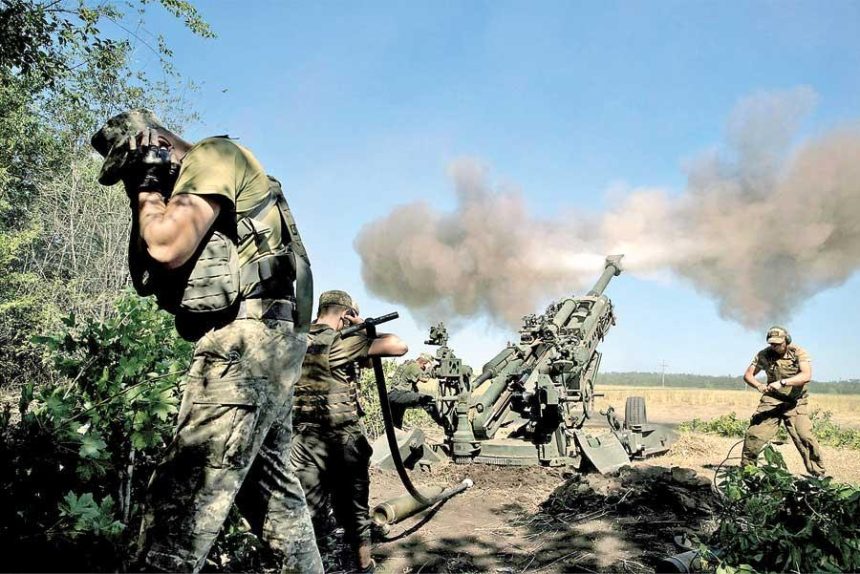
As geopolitical tensions escalate and the specter of large-scale conflict looms, the prospect of a Third World War is increasingly on the minds of economists, policymakers, and investors alike. The stakes have never been higher, with national borders and global stability hanging in the balance. For investors, the implications of such a catastrophic event could be profound and far-reaching, reshaping markets and altering investment strategies across the globe.
In this article, we explore the potential scenarios that a global conflict could unveil, examining how various asset classes might respond, which sectors could thrive or suffer, and what strategies investors can adopt to navigate the treacherous waters of change. As history has shown, wars often trigger economic shifts, and understanding these dynamics is crucial for making informed decisions in an unpredictable world.
Table of Contents
- The Economic Fallout: Understanding Market Instability in a Global Conflict
- Investment Strategies: Navigating Uncertainty During Geopolitical Tensions
- Safe Havens and Asset Allocation: Protecting Wealth in Times of War
- Post-Conflict Recovery: Identifying Opportunities in Rebuilding Efforts
- Q&A
- The Conclusion
The Economic Fallout: Understanding Market Instability in a Global Conflict
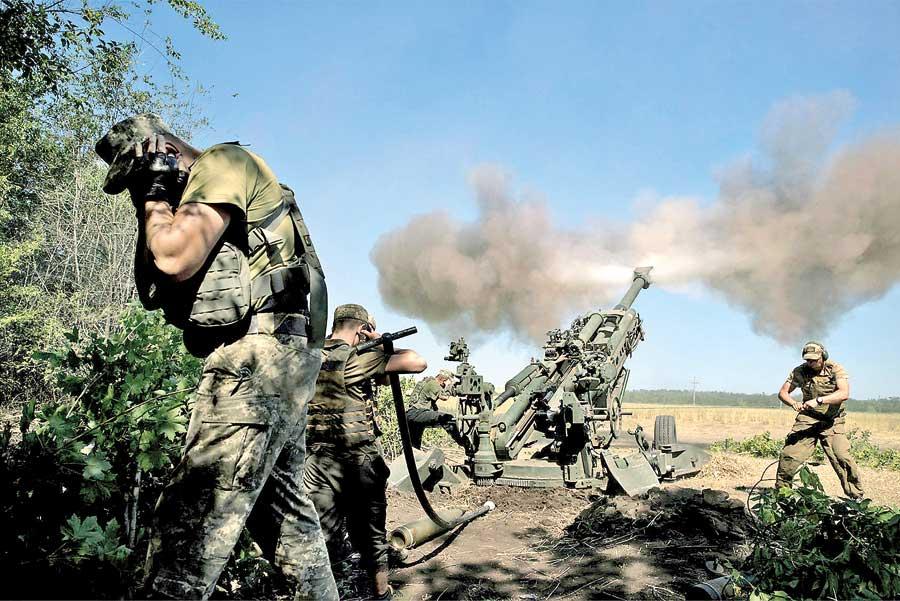
In the event of a global conflict, investor sentiment is likely to waver dramatically, leading to significant market instability. Historical precedents show that war often prompts a flight to safety, with assets such as gold and government bonds soaring in demand. Conversely, equities may plummet as consumers reduce spending and uncertainty skyrockets. Investors may react by fragmenting into various camps, favoring sectors that are seen as resilient or essential. These could include:
- Defense Contractors: Companies that manufacture weapons and military technology typically see an uptick in stock prices during wartime.
- Energy Sector: Oil and gas prices often rise due to geopolitical tensions, making these stocks more attractive.
- Consumer Staples: During crises, people prioritize essential goods, driving stability in this sector.
Moreover, currency fluctuations could further exacerbate the instability. Investors may monitor shifts in major currencies, particularly the U.S. dollar, which often serves as a global reserve currency. Increased volatility could result in a fragmented market landscape, compelling investors to realign their portfolios to mitigate risks. The following table summarizes potential asset performance during heightened geopolitical tensions:
| Asset Class | Expected Performance |
|---|---|
| Gold | Upwards |
| Defense Stocks | Upwards |
| Equities | Downwards |
| Government Bonds | Stabilize |
Investment Strategies: Navigating Uncertainty During Geopolitical Tensions
As geopolitical tensions escalate, investors are faced with an array of challenges that could significantly impact financial markets. The uncertainty brought about by conflicts, especially those termed as potential world wars, tends to induce volatility across diverse asset classes. In such an environment, it is crucial for investors to reassess traditional strategies and consider the following approaches:
- Diversification: Spread investments across various sectors and asset classes to mitigate risk.
- Defensive Stocks: Focus on sectors like utilities and consumer staples, known for their stability in turbulent times.
- Precious Metals: Gold and silver often serve as safe havens during geopolitical strife.
- Short Selling: Consider short positions on sectors that may be adversely affected by conflict.
Additionally, investors may want to keep a close eye on shifts in government policy and military expenditures, as these can be harbingers of impending market movements. To aid in understanding these dynamics, here’s a simple breakdown of potential market impacts:
| Market Impact | Possible Investor Response |
|---|---|
| Increased Volatility | Stay informed with regular market updates and adjust portfolios frequently. |
| Commodity Surge | Invest in commodity-rich assets to capitalize on rising prices. |
| Currency Fluctuations | Explore forex options to hedge against currency risks. |
Safe Havens and Asset Allocation: Protecting Wealth in Times of War
- Gold: A traditional safe haven, gold typically maintains its value when other markets falter.
- Government Bonds: Specifically, bonds from stable economies can offer reliable returns and liquidity.
- Real Estate: Property tends to be a tangible asset that often appreciates, providing a hedge against inflation.
- Cash Equivalents: Money market funds or short-term treasury bills allow for quick liquidity and lower volatility.
Effective asset allocation becomes paramount in these conditions. Investors might consider diversifying across various sectors, including commodities and defensive stocks, which historically perform better in downturns. The following table showcases potential asset allocations suitable for a crisis environment:
| Asset Class | Percentage (%) | Rationale |
|---|---|---|
| Gold | 20% | Preserves value in crises |
| Government Bonds | 30% | Stable returns with low risk |
| Defensive Stocks | 25% | Resilient in economic downturns |
| Cash Equivalents | 25% | Liquidity for immediate needs |
Post-Conflict Recovery: Identifying Opportunities in Rebuilding Efforts
In the aftermath of a major global conflict, the landscape of investment opportunities is poised to shift dramatically. While the immediate focus may be on humanitarian aid and rebuilding infrastructure, astute investors can find potential in sectors that support recovery and growth. Key areas to watch include infrastructure development, as regions strive to restore and modernize essential services, and technology, particularly in fields such as cybersecurity and communication systems which become critical in an era of heightened geopolitical tensions. Additionally, sustainable energy solutions may gain traction as countries look to rebuild more resiliently, aligning economic recovery with environmental goals.
Investors should also consider the geopolitical implications of a post-conflict environment, which can lead to changes in supply chains, regulatory frameworks, and market access. New alliances may form, presenting unique investment avenues. An analysis of potential sectors includes:
- Construction and engineering – High demand for rebuilding physical infrastructure.
- Health care – Increased need for medical facilities and services.
- Education – Opportunities in rebuilding educational institutions and systems.
- Agriculture – Potential for investment in food security and sustainable farming.
| Sector | Investment Opportunity | Potential Impact |
|---|---|---|
| Infrastructure | Public-Private Partnerships | Accelerated rebuilding |
| Technology | Cybersecurity Firms | Enhanced protection |
| Energy | Renewable Projects | Resilient energy systems |
| Agriculture | Agri-tech Innovations | Increased food production |
Q&A
Q&A: What a Third World War Would Mean for Investors
Q: What are the potential economic impacts of a third world war?
A: A third world war would likely trigger severe economic disruptions across global markets. Investors could see immediate volatility in stock values as countries divert resources to military efforts. Industries that rely heavily on trade, such as manufacturing and technology, could suffer from supply chain interruptions, leading to significant declines in corporate earnings. Additionally, a war could lead to inflation as governments increase spending on defense, disrupting production and distribution of goods and services.
Q: How would a global conflict affect commodity prices?
A: Historically, wars have led to spikes in commodity prices, particularly for oil and precious metals. In the event of a third world war, crude oil prices could surge due to supply chain disruptions and geopolitical instability in oil-producing regions. Similarly, gold and silver often see increased demand during times of uncertainty, which could drive their prices higher as investors seek safe-haven assets.
Q: What sectors might benefit from a global conflict?
A: Defense and aerospace sectors are typically the most obvious beneficiaries in a war scenario, as governments would likely increase their military budgets. Companies involved in arms manufacturing, cybersecurity, and logistics might also see growth as security becomes paramount. Additionally, industries tied to essential goods, such as food production and energy supply, may experience a surge in demand, providing stability amid chaos.
Q: How would investors protect their portfolios in such a scenario?
A: Diversification is key in mitigating risk during turbulent times. Investors could consider reallocating their portfolios to include safe-haven assets like gold or Treasury bonds. Additionally, sectors that are less sensitive to economic downturns—such as utilities and consumer staples—often perform more consistently in times of crisis. Staying informed about geopolitical developments and market trends will also empower investors to make timely decisions.
Q: What historical precedents can we look to for insight into market behavior during wartime?
A: Previous conflicts, such as World War I and World War II, provide valuable insights into market behavior during wartime. In the lead-up to these wars, stock markets often experienced significant declines, followed by rebounds as wartime industries ramped up production. However, economic instability and human costs were substantial. The Vietnam War also impacted markets significantly, creating inflationary pressures and altering investor sentiment. Each conflict had distinct pressures and reactions, but all underline the uncertainty and volatility wars can create in global financial markets.
Q: Could a third world war lead to a shift in global economic power?
A: Yes, a world war could dramatically realign global economic power structures. Historically, wartime economies can lead to the rise of new powers, particularly if traditional powers are weakened. We might see a shift in manufacturing hubs, increased nationalism, or even the emergence of alternative currencies as the dominant reserve. Investments in emerging markets could potentially rise, assuming they remain stable and conflict-free.
Q: Should investors consider geopolitical risks as part of their strategy?
A: Absolutely. Geopolitical risks have become an integral part of investment strategy. Investors should assess the implications of current tensions and conflicts, and how they may affect various sectors and markets. Implementing risk analysis and monitoring global events, trade agreements, and international relations can provide crucial insights that help to safeguard investments.
Conclusion: While the prospect of a third world war remains a dire hypothetical, understanding its potential implications can help investors navigate the complexities of global markets during times of uncertainty. Staying informed, diversifying portfolios, and preparing for volatility are crucial strategies for those looking to protect their investments in an increasingly unpredictable world.
The Conclusion
As the specter of a potential third world war looms on the horizon, the implications for global investors are profound and multifaceted. Economic stability, market volatility, and geopolitical tensions could significantly reshape the investment landscape, compelling stakeholders to reassess their strategies and risk tolerance.
In an age where financial markets are increasingly intertwined with global events, understanding the potential ramifications of large-scale conflict has never been more critical. From commodities to equities, shifts in investor sentiment could lead to unprecedented opportunities and challenges alike.
While history has shown that wars can create both havoc and innovation in the financial realm, the unique characteristics of our current interconnected world add layers of complexity to this scenario. Investors must remain vigilant, informed, and adaptable, seeking out nuanced insights and diversifying their portfolios to weather the storm.
As we navigate these uncertain times, the question remains: how will you position yourself in a world where geopolitical risks could redefine the definitions of safe havens and growth opportunities? The journey ahead may be fraught with uncertainty, but understanding the potential consequences of a third world war will be essential for investors striving to safeguard their interests in the face of global upheaval.


