


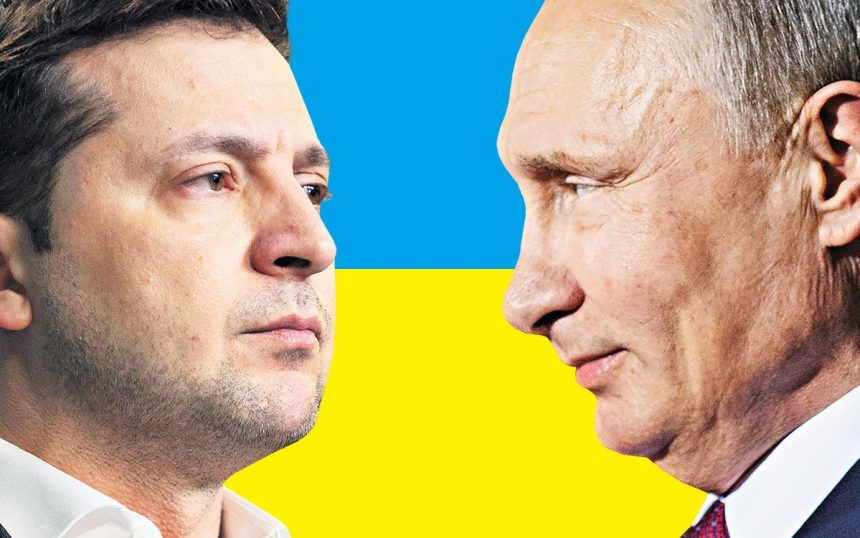
As the conflict between Russia and Ukraine enters another year, the question on the minds of policymakers, analysts, and citizens alike is becoming increasingly urgent: when will this devastating war come to an end? Since the invasion in February 2022, the war has reshaped geopolitical landscapes, caused widespread humanitarian crises, and led to unprecedented levels of global economic disruption.
Despite numerous diplomatic global crises and conflict efforts and attempts at ceasefire negotiations, the battlefield remains fraught with tension, with both sides entrenched in their positions and casualties mounting daily. This article delves into the current state of the conflict, the dynamics influencing its duration, and the potential pathways to resolution, offering insights into the myriad factors that could determine when—or if—peace will finally be restored in Ukraine.
Table of Contents
- The Current State of the Russia-Ukraine Conflict: Analyzing Military and Diplomatic Stalemates
- Global Implications of a Prolonged War: Economic and Humanitarian Consequences
- Potential Pathways to Peace: Diplomatic Strategies and Negotiation Frameworks
- The Role of International Actors: How Community Support and Pressure Can Shape Outcomes
- Q&A
- In Retrospect
The Current State of the Russia-Ukraine Conflict: Analyzing Military and Diplomatic Stalemates
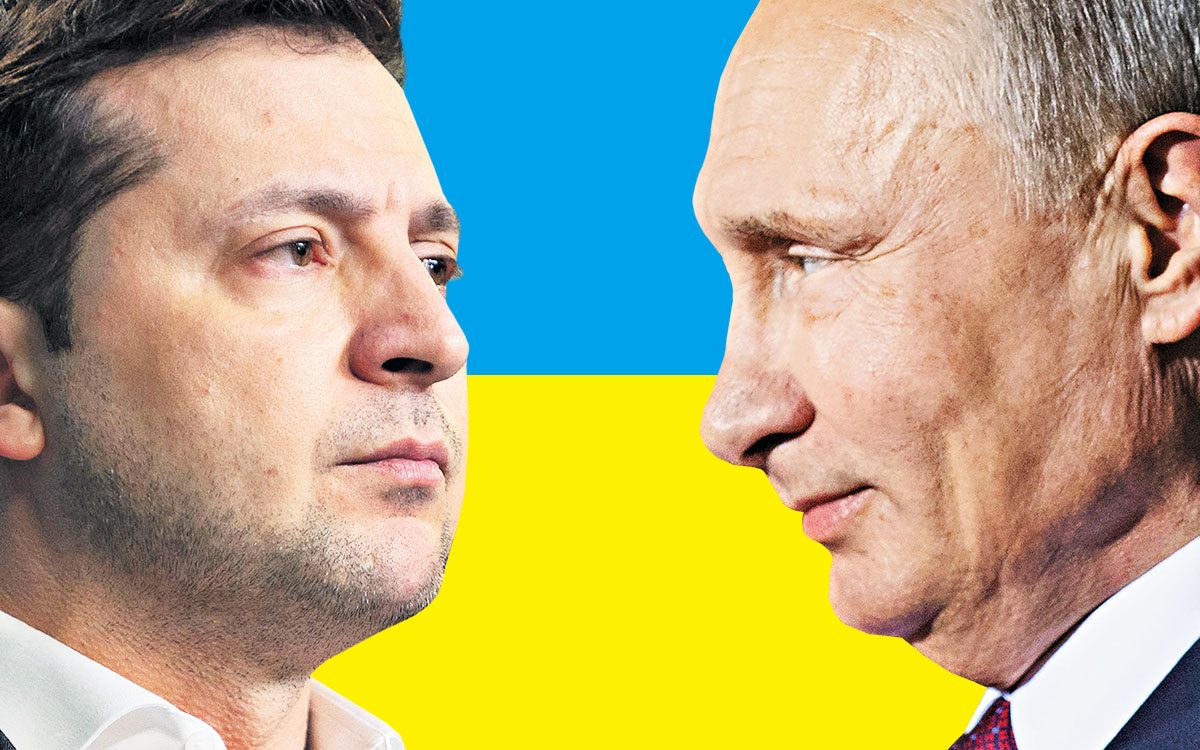
The military landscape of the ongoing Russia-Ukraine conflict remains marked by prolonged stalemates, with both sides digging in for extended engagements and solidifying their respective positions. Ukraine, bolstered by Western support, continues to execute strategic defenses while also launching counteroffensives aimed at reclaiming occupied territories. Russia, on the other hand, has fortified its hold in key areas, driven by a resolve to sustain its military presence and leverage regional conflicts. Analysts have noted several critical factors at play:
- Territorial Control: Both nations currently manage a complex patchwork of frontlines, leading to an incessant contest over strategically significant locations.
- Equipment and Resources: Ukraine’s reliance on Western military aid contrasted with Russia’s mobilization of local resources has created a disparity that influences battlefield momentum.
- Attrition Warfare: With neither side able to secure a decisive victory, a war of attrition has ensued, adding to the human and material cost of the conflict.
On the diplomatic front, attempts to negotiate a resolution have seen limited progress. International actors remain bifurcated in their approaches, complicating dialogue efforts. High-level talks have been overshadowed by mutual distrust, with both sides wary of any agreements that may compromise their long-term objectives. A recent analysis reveals the ongoing challenges within diplomatic engagements:
| Factor | Current Status | Impact |
|---|---|---|
| Ceasefire Proposals | Stalled | Increased Hostilities |
| International Support | Divided | Prolonged Conflict |
| Peace Talks | Limited Progress | Heightened Tensions |
Global Implications of a Prolonged War: Economic and Humanitarian Consequences
The ongoing conflict has far-reaching consequences that extend beyond the borders of Ukraine and Russia. Economically, nations worldwide are experiencing disruptions in trade, energy supplies, and agricultural output. Key factors include:
- Energy Crisis: Many European countries have faced rising energy prices due to reduced gas supplies from Russia, prompting a scramble for alternative sources.
- Inflation Rates: Global inflation has surged as supply chains are strained, with essential goods and commodities seeing substantial price increases.
- Food Security: Ukraine, often termed the ‘breadbasket of Europe’, has seen its agricultural sector crippled, leading to food shortages in vulnerable regions.
Furthermore, the humanitarian impact of a prolonged war cannot be overstated. The international community has witnessed a staggering increase in the number of displaced persons, with millions seeking refuge in neighboring countries. The situation has been exacerbated by:
- Health Crises: The conflict has disrupted healthcare services, resulting in a rise in diseases and mental health issues among the civilian population.
- Human Rights Violations: Reports of atrocities and human rights abuses have surged, drawing widespread condemnation and demands for accountability.
- International Aid Response: NGOs and governments are struggling to provide adequate support, calling for increased funding and resources to address the growing humanitarian needs.
Potential Pathways to Peace: Diplomatic Strategies and Negotiation Frameworks
As the conflict between Russia and Ukraine persists, various diplomatic strategies have emerged as potential pathways towards a resolution. Key stakeholders, including international organizations, neighboring countries, and global superpowers, could play a crucial role in mediating discussions. Engagement through multilateral talks involving the United Nations, Organization for Security and Co-operation in Europe (OSCE), and the European Union may create a platform for dialogue. Moreover, countries with significant influence on Russia and Ukraine could leverage economic incentives, ensuring both parties find common ground through mutually beneficial agreements.
In addition to traditional diplomacy, innovative negotiation frameworks may yield breakthroughs. These could include approaches such as track II diplomacy, which enables unofficial dialogue among civil society actors, or confidence-building measures, designed to reduce hostility between the parties. A structured peace process roadmap could further clarify specific stages, objectives, and timelines for negotiations. The following table outlines a possible framework for subsequent phases in the peace process:
| Phase | Objective | Key Actions |
|---|---|---|
| 1 | Initial Ceasefire | Withdrawal of troops, monitoring by international observers |
| 2 | Trust-Building | Repatriation of prisoners, resumption of humanitarian aid |
| 3 | Negotiation of Territorial Issues | Facilitated discussions on border adjustments, regional autonomy |
| 4 | Long-term Peace Agreement | Formal treaty signing, establishment of oversight mechanisms |
The Role of International Actors: How Community Support and Pressure Can Shape Outcomes
The ongoing situation in Ukraine has garnered unprecedented international attention, with various global actors actively engaging in support efforts and exerting pressure on both Ukraine and Russia. Countries, organizations, and grassroots movements have rallied behind Ukraine, fostering a robust environment of community support that has proven crucial in the face of conflict. From military aid to humanitarian assistance, the influence of international support is multifaceted. Notably, non-governmental organizations (NGOs) have played a significant role in mobilizing resources, while grassroots campaigns have effectively raised awareness and funds. This collective effort lends weight to Ukraine’s plight, amplifying its voice in global forums.
Moreover, the pressure from international actors extends beyond mere support to diplomatic negotiations that aim to reshape outcomes. Economic sanctions imposed by the west on Russia serve as a potent reminder of how coordinated international pressure can alter the landscape of conflict. These sanctions, alongside steadfastness from allies, enlist public opinion as a powerful tool in the conflict, demonstrating that community resilience can translate into tangible political action. For instance, countries that have maintained robust sanctions and vocal support demonstrate a steadfast commitment to Ukraine’s sovereignty, affecting the strategic calculations of the Russian leadership. This interplay of community influence and international strategy illustrates the complex dynamics that could ultimately steer the course of the war.
Q&A
Q&A: When Will the Russia-Ukraine War End?
Q1: What is the current status of the Russia-Ukraine war?
A1: As of October 2023, the conflict continues with ongoing military engagements predominantly in eastern and southern Ukraine. Both Ukrainian forces and Russian troops are engaged in intense battles over strategic territories. International diplomatic efforts are being made, but a comprehensive ceasefire has yet to be achieved.
Q2: What are the main factors influencing the duration of the war?
A2: Several key factors impact the war’s duration, including military strategies employed by both sides, the level of international support for Ukraine, and Russia’s domestic situation and military resources. The entrenched positions of both parties and the differing objectives also prolong the conflict.
Q3: Have there been any recent peace talks?
A3: While various diplomatic efforts have been attempted, including negotiations mediated by international organizations and involved nations, concrete agreements have not materialized in recent months. Reports indicate ongoing discussions, but significant breakthroughs remain elusive.
Q4: What role does international involvement play in this conflict?
A4: International involvement has been pivotal, with countries and organizations providing substantial military, economic, and humanitarian aid to Ukraine. Additionally, sanctions imposed on Russia by Western nations aim to pressure Moscow into negotiating. The dynamics of international relations will significantly influence the war’s outcome.
Q5: Are there predictions about when the war might end?
A5: Analysts are divided on predictions regarding the war’s end. Some believe it could drag on for years if substantial political changes do not occur in Russia or if entrenched military strategies continue. Others suggest that a resolution could happen sooner if both sides are willing to make significant concessions.
Q6: What are the implications of a prolonged conflict?
A6: A prolonged war could lead to further humanitarian crises, economic deterioration in the region, and increased global instability. The conflict’s continuation may also strain international relations, particularly between NATO countries and Russia, and could result in ongoing disruptions in global energy supplies and food security.
Q7: How is the situation being monitored globally?
A7: Various entities, including governments, think tanks, and media organizations, are closely monitoring the conflict. Regular reports from front-line correspondents and intelligence assessments provide insights into military developments and humanitarian conditions, contributing to international understanding and response efforts.
Q8: What can the international community do to help resolve the conflict?
A8: The international community can support peace talks, provide humanitarian assistance, and maintain pressure on Russia through sanctions. Enhanced diplomatic initiatives aimed at fostering dialogue between the conflicting parties could also help pave the way towards a sustainable resolution.
As the situation continues to evolve, observers remain vigilant about addressing the urgent need for peace while understanding the complexity surrounding the conflict’s resolution.
In Retrospect
As the conflict between Russia and Ukraine continues into its third year, the question of when peace will be attained becomes increasingly pressing. While diplomatic efforts persist, the situation remains fluid and complex, shaped by shifting military dynamics, international pressure, and the resilience of the Ukrainian people. Analysts warn that a resolution may not come swiftly, as entrenched positions and varying agendas complicate negotiations.
In the meantime, the humanitarian toll continues to rise, with millions displaced and numerous lives lost. The international community watches closely, hoping for a breakthrough that could herald a return to stability in the region. Ultimately, the hope remains that dialogue will prevail over discord and that a lasting peace can be established, allowing both nations the opportunity for recovery and renewal. As we move forward, the global audience will remain attentive, informed, and ever hopeful for an end to this devastating conflict.


