


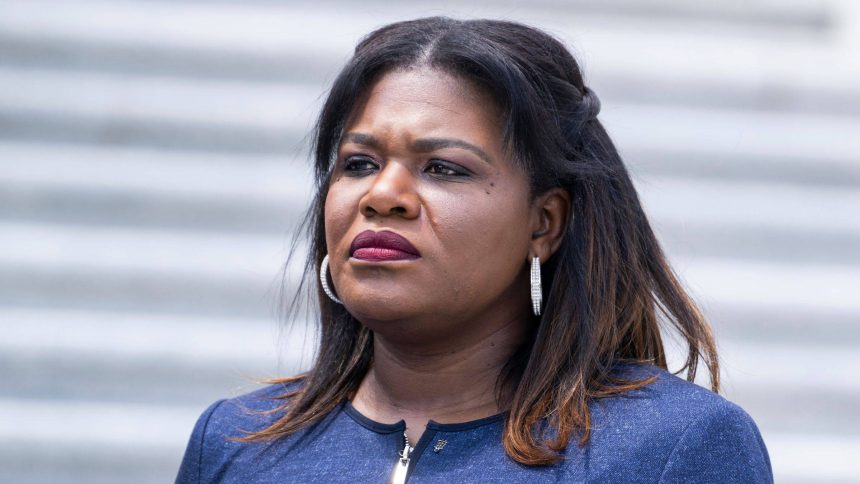
As the political landscape intensifies in St. Louis, attention is increasingly drawn to the upcoming congressional race in Missouri’s 1st District, where incumbent Representative Cori Bush is poised to defend her seat. Following her groundbreaking victory in 2020, Bush has become a prominent figure in progressive politics, advocating for a range of issues including social justice, police reform, and healthcare access.
However, as the 2024 election approaches, she faces a slate of challengers eager to make their mark and potentially unseat the incumbent. In this article, we will explore the individuals who have stepped up to contest Bush’s bid for re-election, examining their platforms, backgrounds, and the implications of this high-stakes race for the future of the district and its constituents.
Table of Contents
- Challengers Emerge in Missouris 1st Congressional District Race
- Key Issues Defining the 2024 Campaign Against Cori Bush
- Voter Sentiment and Strategies: Insights from Recent Polls
- Analyzing the Impact of Fundraising on the Upcoming Election
- Q&A
- In Conclusion
Challengers Emerge in Missouris 1st Congressional District Race
As the race for Missouri’s 1st Congressional District heats up, a variety of challengers are stepping forward to contest the incumbent, Cori Bush. The political landscape in the St. Louis area is dynamic, with candidates keen to address the pressing issues facing the community. Among the emerging contenders, several have begun to outline their platforms, focusing on priorities that resonate with local voters. Key themes in this race include economic development, public safety, and healthcare reform.
Notable candidates include:
- Anna S. Evans: A community organizer emphasizing grassroots mobilization and social justice issues.
- Mark Hanson: A former state legislator advocating for fiscal responsibility and improved infrastructure.
- Linda Ortiz: An entrepreneur aiming to boost local business initiatives and workforce development.
With each candidate bringing a unique perspective, the race promises to be competitive as they vie for the attention and support of the district’s constituents.
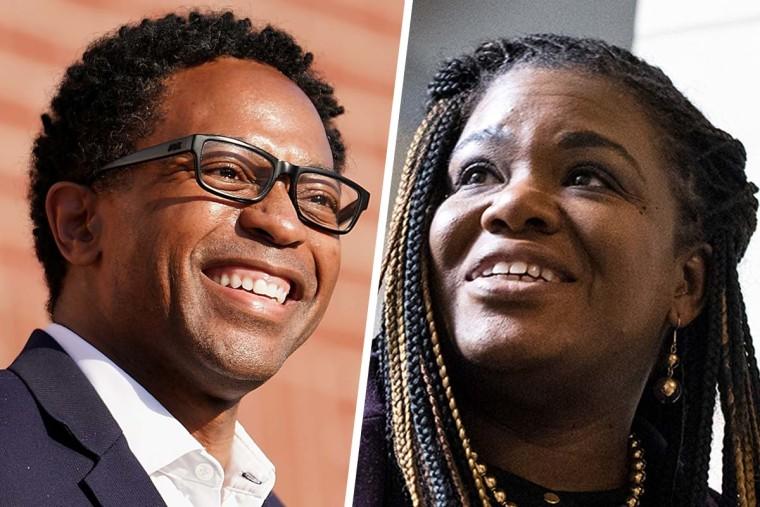
Key Issues Defining the 2024 Campaign Against Cori Bush
- Affordable Housing: With increasing dissatisfaction over rising rents and housing shortages, candidates are positioning their plans to tackle this pressing concern. Bush’s critics argue her policies have not adequately addressed these issues.
- Healthcare Access: The ongoing debates on universal healthcare continue to resonate with voters, prompting challengers to question the effectiveness of Bush’s previous healthcare initiatives.
- Civil Rights: As a prominent advocate for social justice, Bush’s opponents are scrutinizing her record on civil rights, seeking to highlight any perceived inconsistencies.
Furthermore, economic concerns are becoming increasingly relevant as constituents seek solutions to inflation and job insecurity. Key campaign strategies involve:
- Job Creation: Challengers are presenting their plans for robust economic growth, emphasizing the need for job training and new opportunities.
- Public Safety: Rising crime rates in certain areas have sparked debates on law enforcement funding and community safety initiatives.
- Infrastructure Reform: Candidates are debating the necessity for improvement in local infrastructure, including roads, public transport, and utilities, which plays a crucial role in the everyday lives of constituents.

Voter Sentiment and Strategies: Insights from Recent Polls
Recent polls have shed light on voter sentiments regarding the upcoming electoral battle against Cori Bush in Missouri’s 1st Congressional District. As the election season heats up, candidates are adapting their strategies to tap into the prevailing attitudes and priorities of the electorate. Data indicates that residents are particularly focused on issues such as healthcare, economic recovery, and social justice, which are shaping the narratives put forth by Bush’s opponents. Voter engagement appears to be on the rise, with many constituents expressing their intentions to participate in the upcoming primaries.
Among the candidates vying for attention is former St. Louis Treasurer Tishaura Jones, who has made significant strides in connecting with the community, particularly through her emphasis on fiscal responsibility and equitable resource distribution. Another notable contender is representative Steven Roberts, who is leveraging grassroots movements to bolster his name recognition and emphasize progressive values. Candidates are employing various strategies to resonate with voters, including:
- Town Hall Meetings: Engaging directly with constituents.
- Digital Campaigns: Utilizing social media platforms to reach younger voters.
- Policy Focus: Concentrating on clear, actionable plans based on recent voter feedback.
| Candidate | Key Issues | Campaign Strategy |
|---|---|---|
| Tishaura Jones | Fiscal Responsibility | Town Hall Meetings |
| Steven Roberts | Progressive Values | Grassroots Movements |
| Unknown Challenger | Community Engagement | Digital Outreach |

Analyzing the Impact of Fundraising on the Upcoming Election
The upcoming election has seen a surge of interest in fundraising activities, significantly shaping the competitive landscape in which Cori Bush finds herself. Potential challengers are mobilizing resources in an effort to mount robust campaigns, leveraging fundraising to amplify their messages and outreach. This financial backing can often dictate not only the volume of campaign ads but also the ability to engage with voters directly through grassroots initiatives. Key strategies being employed by candidates include:
- Grassroots Donations: Harnessing small contributions from a wide base of supporters.
- Major Donor Engagement: Cultivating relationships with high-net-worth individuals to secure larger sums.
- Online Fundraising Platforms: Utilizing social media and crowdfunding sites to reach younger voters.
As financial resources flow into various campaigns, the overall dynamics of voter engagement evolve. Candidates who adeptly navigate fundraising can enhance their visibility and electoral viability, potentially swaying undecided voters. The following table illustrates the fundraising efforts of some candidates challenging Bush:
| Candidate | Amount Raised ($) | Fundraising Focus |
|---|---|---|
| Candidate A | 500,000 | Grassroots Movements |
| Candidate B | 750,000 | Major Donations |
| Candidate C | 300,000 | Online Campaigns |
This fiscal competition highlights the increasing importance of fundraising as a determinant of election outcomes, amplifying the voices of those who can effectively harness donor support. As the race progresses, keeping an eye on fundraising trends will be crucial for understanding the shifts in voter sentiment and candidate positioning.
Q&A
Q&A: Who Is Running Against Cori Bush in the Upcoming Election?
Q: Who is Cori Bush and what position does she hold?
A: Cori Bush is the Democratic incumbent representing Missouri’s 1st congressional district. Elected in 2020, she has gained national attention for her progressive stance on issues such as healthcare, racial justice, and economic inequality.
Q: Who are the candidates running against Cori Bush in the upcoming election?
A: As of now, several candidates have declared their intention to run against Cori Bush. The primary challengers include, but are not limited to, state Senator Steve Roberts, former State Rep. Rickie Smith, and community activist Tramaine Lee. Each candidate brings their own unique perspectives and platforms to the race.
Q: What are the key issues being raised by Cori Bush’s challengers?
A: Cori Bush’s challengers are focusing on various issues including economic development, crime reduction, education reform, and approaches to public safety. Some candidates argue for more moderate stances compared to Bush’s progressive agenda, aiming to appeal to a broader segment of voters in the district.
Q: How has Cori Bush responded to these challengers?
A: Cori Bush has emphasized her accomplishments during her time in office, highlighting her commitment to social justice, affordable housing, and healthcare reform. She has also noted the importance of grassroots organizing and community engagement as central to her campaign strategy.
Q: What does the Democratic primary landscape look like in Missouri’s 1st district?
A: The Democratic primary is expected to be competitive given the diverse viewpoints among the candidates. While Bush holds a strong base of support among progressive voters, challengers are working to consolidate support from moderate and conservative Democrats, as well as independents dissatisfied with Bush’s approach.
Q: How might the results of the primary impact the general election?
A: The outcome of the Democratic primary is crucial, as Missouri’s 1st congressional district leans heavily Democratic. A contentious primary could impact voter turnout and candidate unity in the general election, particularly if the primary race sharpens divides within the Democratic Party.
Q: When will the primary election take place, and what is currently known about voter sentiment?
A: The primary election is scheduled for August 2024. Initial polling suggests a mixed sentiment among voters, with some expressing strong support for Bush’s progressive policies, while others are looking for alternative candidates who promise a different approach to the issues facing the district.
Q: What should voters keep an eye on as the election date approaches?
A: Voters should monitor candidate debates, community forums, and endorsements as the primary date approaches. Additionally, campaign fundraising efforts and voter outreach initiatives will be significant indicators of the candidates’ viability and support within the district.
In Conclusion
As the campaign season heats up in Missouri’s 1st Congressional District, the focus sharpens on the challengers who aim to unseat incumbent Representative Cori Bush. With the primaries approaching, candidates from various backgrounds are stepping forward, each presenting their vision for the future and vying for the support of constituents. As the political landscape evolves, voters will need to weigh the platforms, experiences, and aspirations of these contenders against Bush’s established presence and progressive policies.
The race is not just about individual candidates; it reflects broader national conversations on social justice, economic equity, and community representation. As election day draws nearer, the stakes are high, and the scrutiny will only intensify. For residents, the choice they make will play a critical role in shaping the district’s direction and influence in Congress. Stay tuned as we continue to cover the developments in this pivotal race.


