


In the face of fluctuating global economic conditions, oil prices have demonstrated an unexpected resilience, remaining notably subdued despite geopolitical tensions and fluctuating demand forecasts. Recent trends indicate that the benchmark crude oil prices have hovered around levels that are significantly lower than both historical highs and earlier projections for 2023.
Analysts point to a confluence of factors at play, including steady production levels from key oil-producing nations, shifting consumer habits, and emerging energy technologies, all of which contribute to the current landscape of the oil market. As we delve deeper into the myriad influences shaping these prices, it becomes increasingly clear that the dynamics of the oil market are evolving, prompting questions about the future of fossil fuels in a rapidly changing world.
Table of Contents
- Factors Contributing to Low Demand in Key Markets
- The Impact of Global Supply Chain Disruptions
- Geopolitical Tensions and Their Role in Oil Price Dynamics
- Strategic Recommendations for Investors in a Stagnant Market
- Q&A
- Insights and Conclusions
Factors Contributing to Low Demand in Key Markets
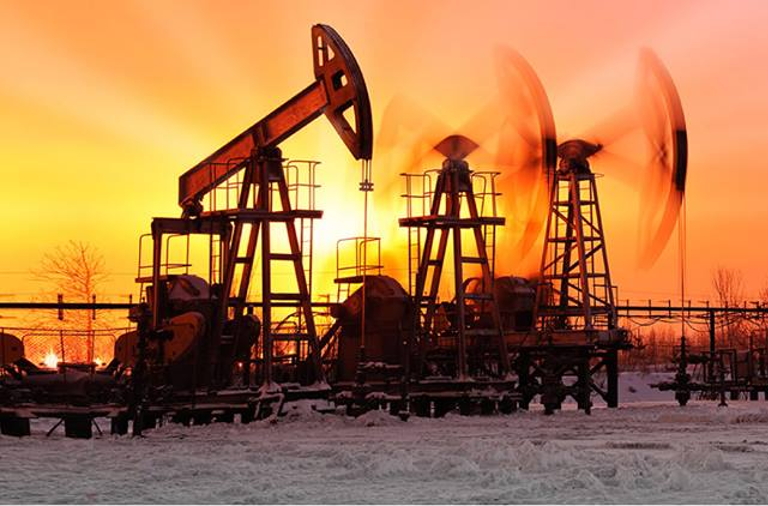
Several intertwined factors have emerged, which have collectively dampened oil demand across critical markets. Economic uncertainties present a significant challenge, as potential recessions and fluctuating consumer confidence cause industries to scale back their energy needs. Additionally, shifts towards renewable energy sources reflect a growing awareness of climate change that prompts countries to invest heavily in alternatives to fossil fuels. This pivot has lessened the immediate oil demand in markets that once relied heavily on these traditional energy sources.
Moreover, geopolitical tensions continue to wreak havoc on trade relations, leading to inconsistent supply chains and an overall hesitance among consumers to commit to long-term purchasing of oil. The rise of technological advancements also plays a role; electric vehicles and smart energy management systems are reducing oil dependency at a rapid pace. To illustrate how these elements intersect, consider the table below detailing major factors affecting demand in selected regions:
| Region | Key Factor | Impact |
|---|---|---|
| North America | Economic Uncertainty | Decrease in transportation fuel consumption |
| Europe | Renewable Energy Initiatives | Shift away from fossil fuels |
| Asia | Geopolitical Tensions | Increased market volatility |
The Impact of Global Supply Chain Disruptions
In recent months, the global economy has faced significant supply chain disruptions, impacting a variety of sectors and further complicated by geopolitical tensions, natural disasters, and ongoing fallout from the pandemic. These disruptions have led to delays in goods reaching markets, causing ripple effects across industries. Particularly in the oil sector, while consumption patterns have shown signs of recovery, the logistical challenges have hindered a more robust price uptick. Moreover, the inability to navigate these supply chains effectively has intensified inflationary pressures, steering consumer prices higher without a corresponding surge in oil demand.
The interconnectedness of the oil market with other commodity supply chains complicates the landscape further. Key factors include:
- Transport Backlogs: Ports are still grappling with congestion, leading to increased shipping times and costs.
- Labor Shortages: Reduced workforce availability has affected production and distribution capabilities.
- Energy Transition Policies: Efforts to shift to renewable energy sources are influencing short-term oil demand as investments favor green technology.
In essence, these disruptions not only shape the immediate dynamics of oil pricing but also challenge market assumptions about future demand and supply equilibrium. Even as certain regions see a spike in energy needs, the long-term anticipation of a more decentralized and sustainable energy model may keep oil prices subdued.
Geopolitical Tensions and Their Role in Oil Price Dynamics
Global oil markets are often at the mercy of geopolitical tensions, which can either elevate or suppress oil prices. Recent developments illustrate the complexity of these relationships. For instance, despite ongoing conflicts in oil-rich regions, the anticipated price spikes have failed to materialize. Factors contributing to this paradox include:
- Increased US shale production, which has provided a buffer against supply disruptions.
- Shifts in global demand, particularly from emerging economies, which are facing economic slowdowns.
- Strategic reserves being utilized by major economies to stabilize their markets.
Moreover, diplomatic efforts and negotiations can mitigate the impact of tensions. For instance, recent agreements among OPEC+ members to manage production levels have played a crucial role in preventing potential price surges. A closer look at oil production levels versus price changes shows a distinct pattern:
| Month | Global Oil Production (mb/d) | Brent Oil Price (USD/barrel) |
|---|---|---|
| January | 99.5 | 85.00 |
| July | 100.1 | 78.50 |
| September | 100.5 | 82.00 |
This table highlights how, despite fluctuations in geopolitical climates, external factors such as production levels and strategic interventions have led to a relative stabilization of prices, underscoring the multifaceted nature of oil price dynamics in an increasingly interconnected world.
Strategic Recommendations for Investors in a Stagnant Market
In light of the current market conditions, investors should adopt a cautious yet opportunistic approach. A few strategies may include:
- Diversification: Consider reallocating assets towards sectors that are less sensitive to oil price fluctuations, such as technology, renewable energy, or consumer staples.
- Focus on Value: Identify undervalued stocks within the energy sector. Companies with strong balance sheets and sustainable practices could provide long-term growth even when oil prices remain low.
- Income Generation: Explore dividend-paying stocks or ETFs, which can provide a steady income stream regardless of market volatility.
Furthermore, it is vital to stay informed about geopolitical developments and regulatory changes that could influence future oil pricing. Investors may also consider:
- Monitoring Global Supply Chains: Investigating how changes in production levels from OPEC and non-OPEC countries could affect prices and investment opportunities.
- Engaging in Options Trading: Utilizing options can provide a hedge against downward price movements, offering investors protection while maintaining exposure to potential reversals.
Q&A
Q&A:
Q1: What are the current trends in oil prices?
A1: As of late 2023, oil prices remain relatively subdued compared to previous years. Brent crude is trading around $70 per barrel, while West Texas Intermediate (WTI) is slightly lower. Prices have struggled to maintain upward momentum, influenced by a mix of macroeconomic factors and shifting demand patterns.
Q2: What are the main factors contributing to this subdued price environment?
A2: Several key factors are influencing the current oil price landscape. First, concerns over global economic growth, particularly in major economies like China and the United States, have dampened demand forecasts. Additionally, increased supply from key producers, including the U.S. shale industry, has outstripped demand recovery, creating a surplus in the market. Geopolitical tensions, while significant, have not led to the supply disruptions that typically drive prices higher.
Q3: How is global economic growth affecting oil demand?
A3: The global economic outlook has been clouded by uncertainties, including inflation pressures, rising interest rates, and slow recovery in certain regions, particularly Asia. These factors contribute to fears of a recession, which would likely reduce oil consumption as industries slow down and consumer spending tightens.
Q4: Is the U.S. shale industry playing a role in price stabilization?
A4: Yes, the resurgence of U.S. shale production has significantly impacted oil prices. American producers have significantly increased output in recent months, leading to a robust supply. Enhanced production techniques and a focus on cost efficiency mean U.S. producers can operate profitably even at lower price levels, contributing to a competitive market that keeps prices in check.
Q5: Are there any geopolitical factors affecting oil prices?
A5: Geopolitical tensions, including conflicts in the Middle East and sanctions on countries like Russia, can influence market sentiment. However, so far in 2023, these situations have not resulted in significant supply disruptions. The market seems to have adjusted to uncertainties, with alternative sources of oil smoothing potential disruptions.
Q6: Could OPEC+ actions change the price dynamic in the near future?
A6: OPEC+ has a history of adjusting production quotas to influence oil prices. As global demand fluctuates and economic conditions shift, the cartel’s decisions will be crucial. If they decide to cut production in response to falling prices or persistently low demand, we may see a price rally. Conversely, maintaining or increasing production could keep prices depressed.
Q7: What implications does this subdued price environment have for consumers and economies?
A7: For consumers, lower oil prices can mean reduced costs for transportation and goods, which can alleviate some inflationary pressures. However, for oil-dependent economies, particularly in the Middle East and certain parts of Africa, this price environment may pose significant challenges, impacting government revenues and economic stability.
Q8: What should we watch for moving forward?
A8: Investors and analysts should closely monitor indicators like U.S. economic performance, energy consumption trends, OPEC+ production decisions, and geopolitical developments. Any significant shifts in these areas could trigger volatility in oil prices, either upward or downward. Additionally, ongoing advancements in renewable energy and changes in global energy policy will also be critical to watch.
Insights and Conclusions
the subdued nature of oil prices can be attributed to a complex interplay of factors that have reshaped the global energy landscape. From ongoing economic uncertainties and shifts in supply and demand dynamics to the accelerating transition towards renewable energy sources, the oil market is navigating an era of unprecedented change. As geopolitical tensions persist and OPEC+ strategies evolve, market analysts will be closely watching how these elements influence future price trajectories. For consumers and industries alike, understanding these trends will be crucial as they adapt to ongoing fluctuations in the energy sector. As we move forward, the implications of subdued oil prices will likely extend beyond the market, affecting economies and environmental policies around the world.


