


In a world increasingly attentive to the nuances of justice and human rights, the story of Nelson Mandela’s imprisonment remains a poignant chapter in the fight against oppression. Arrested in 1962 and sentenced to life in prison in 1964, Mandela’s incarceration was not merely the result of his opposition to the apartheid regime in South Africa; it was emblematic of a broader struggle faced by millions fighting systemic racial discrimination and injustice. As a key figure of the African National Congress (ANC), Mandela became a symbol of resistance, enduring 27 years behind bars while advocating for equality and freedom.
This article explores the circumstances surrounding Mandela’s arrest, the charges he faced, and the enduring impact of his imprisonment on the global movement for civil rights.
Table of Contents
- Background of Resistance Against Apartheid
- Life and Conditions in Prison
- The Impact of Imprisonment on Nelson Mandelas Leadership
- Lessons on Resilience and Justice from Mandelas Experience
- Q&A
- To Conclude
Background of Resistance Against Apartheid
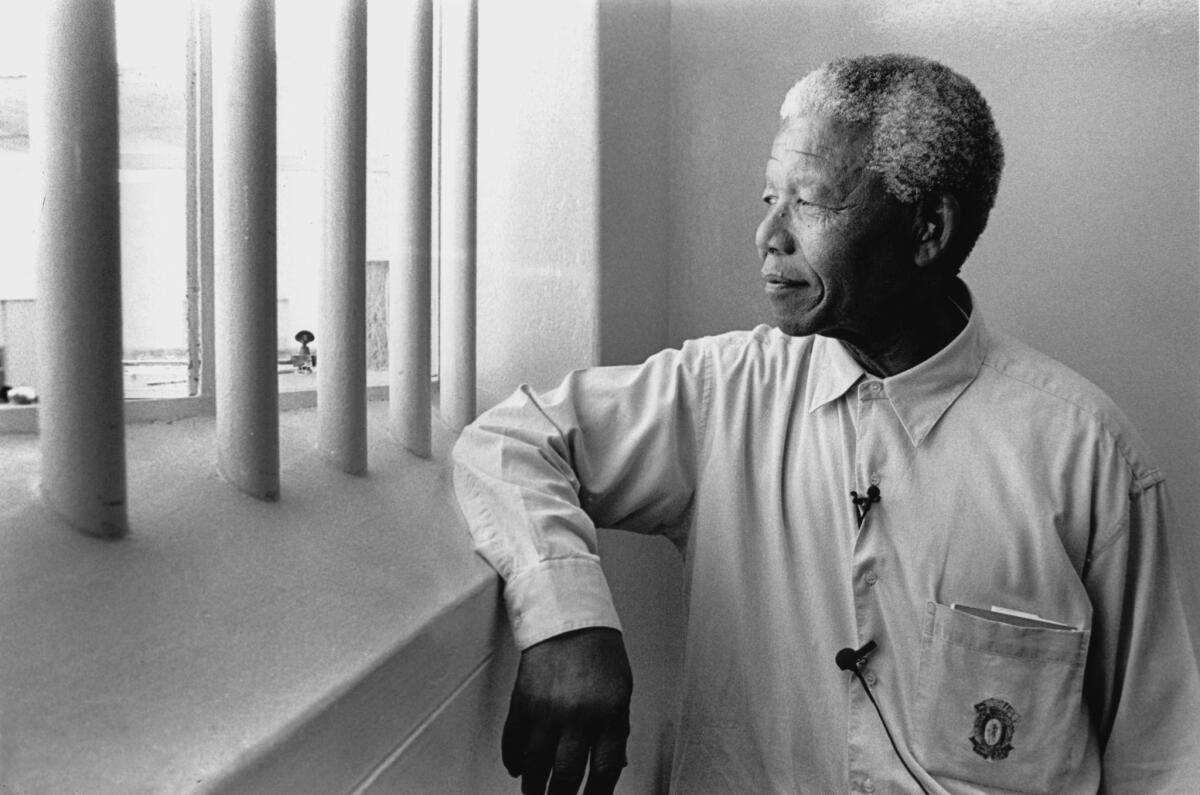
The struggle against apartheid in South Africa was a deeply entrenched resistance movement that spanned several decades, engaging diverse groups and individuals in the fight for equality and justice. Central to this resistance was the African National Congress (ANC), a political organization formed in 1912 that sought to combat racial discrimination and advocate for the rights of the black majority. The apartheid system, instituted officially in 1948, enforced rigid racial segregation and economic disparities, turning millions of South Africans into second-class citizens. Key events that defined this struggle included the Sharpeville Massacre in 1960, which sparked international outrage, and the formation of the armed wing of the ANC, Umkhonto we Sizwe, in 1961, signaling a shift toward armed resistance.
Nelson Mandela emerged as a pivotal figure in this struggle, advocating for both peaceful negotiations and armed resistance against the oppressive regime. His involvement in acts of sabotage against government installations ultimately led to his arrest in 1962 and subsequent life sentence in 1964 for conspiracy to overthrow the state. During his imprisonment, he became a symbol of resilience and hope for those fighting apartheid, inspiring global campaigns demanding his release and an end to racial oppression. The movement garnered international support, leading to boycotts and sanctions against the South African government, significantly escalating pressure for change.
Life and Conditions in Prison
During his imprisonment, Nelson Mandela faced a multitude of challenges and harsh conditions that would have deterred many. In Robben Island, where he spent 18 of his 27 years in jail, prisoners were subjected to forced labor, inadequate nutrition, and limited contact with the outside world. The stark environment included:
- Minimal living space: Inmates were confined to small cells with little privacy.
- Strict regulations: Daily routines were rigorously controlled, with prisoners having little authority over their own lives.
- Isolation: Communication with family and friends was extremely limited, and visits were infrequent.
Despite these severe conditions, Mandela’s resolve only strengthened. He forged a sense of community among his fellow inmates, advocating for education and shared experiences. This camaraderie served to uplift spirits amidst oppression. The impact of this environment is illustrated in the table below, detailing the stark contrast between the prison experience and the ideals Mandela fought for:
| Prison Conditions | Mandela’s Vision |
|---|---|
| Inhumane treatment | Human rights for all |
| Suppression of knowledge | Education as a fundamental right |
| Social isolation | Unity and collective strength |
The Impact of Imprisonment on Nelson Mandelas Leadership
Imprisonment profoundly shaped Nelson Mandela’s leadership, molding him into a symbol of resistance and an emblem of reconciliation. During his 27 years in prison, he experienced harsh conditions that not only tested his physical endurance but also fortified his moral resolve. This period of confinement allowed Mandela to reflect on the principles of justice, equality, and freedom, transforming him into a strategic thinker who understood the importance of negotiation over violence. His experiences led him to embrace the concept of ubuntu, emphasizing human interconnectedness and community, which would later define his approach to leadership and nation-building.
Mandela’s imprisonment also served as a catalyst for his emerging role as a unifying figure in South Africa’s struggle against apartheid. International reactions to his incarceration galvanized global movements, creating a sense of urgency around the anti-apartheid cause. His steadfast commitment to nonviolent resistance inspired countless activists within the country and worldwide. The following points illustrate how his imprisonment resonated with his future leadership style:
- Symbol of Resilience: His long imprisonment became a narrative of courage against systemic oppression.
- Focus on Reconciliation: The acknowledgment of past grievances fostered an inclusive approach to governance.
- Strategic Dialogue: Emphasized negotiations, which ultimately led to the dismantling of apartheid.
- Global Advocacy: His situation highlighted the need for international support in the fight for justice.
Lessons on Resilience and Justice from Mandelas Experience
The imprisonment of Nelson Mandela serves as a profound lesson in resilience, illustrating how steadfastness and hope can prevail even in the most oppressive circumstances. Despite spending 27 years behind bars, Mandela’s spirit remained unbroken, demonstrating the power of faith in one’s ideals. His ability to withstand the harsh realities of prison life and emerge unscathed serves as an inspiration for numerous movements around the globe. Key takeaways from his experience include:
- Unyielding Determination: Mandela never wavered in his quest for equality.
- Unity in Struggle: He emphasized the importance of collective action against injustice.
- Forgiveness and Reconciliation: His post-release agenda focused on healing a divided nation.
Furthermore, Mandela’s pursuit of justice while imprisoned highlights the interconnectedness of individual sacrifice and societal change. Rather than allowing himself to be consumed by resentment, he utilized his time in confinement to formulate a vision for a democratic South Africa. His resilience not only galvanized international support but also laid the groundwork for negotiations with the apartheid regime. A few significant outcomes of his experience are:
- Global Awareness: His struggles brought international attention to the apartheid system.
- Legacy of Leadership: Mandela set an example for future leaders combating injustice.
- Transformative Dialogues: His willingness to engage with former adversaries paved the way for reconciliation.
Q&A
Q&A: Why Was Nelson Mandela in Jail?
Q: Who was Nelson Mandela?
A: Nelson Mandela was a South African anti-apartheid revolutionary, political leader, and philanthropist who served as President of South Africa from 1994 to 1999. He was the country’s first black head of state and the first elected in a fully representative democratic election.
Q: Why was Mandela imprisoned?
A: Nelson Mandela was imprisoned primarily for his role in leading the fight against apartheid, a system of institutionalized racial segregation and discrimination in South Africa. He was arrested in 1962 and later sentenced to life imprisonment for his involvement in planning acts of sabotage against the government.
Q: What were the specific charges against him?
A: Mandela faced multiple charges, including sabotage and conspiracy to overthrow the government. These charges stemmed from his leadership in the African National Congress (ANC) and his involvement in the formation of Umkhonto we Sizwe, the armed wing of the ANC, which conducted operations against state targets.
Q: When was Mandela arrested, and for how long was he imprisoned?
A: Nelson Mandela was arrested on August 5, 1962, and subsequently sentenced to life in prison on June 12, 1964. He spent 27 years in prison, with the majority of his incarceration taking place at Robben Island, a notorious correctional facility off the coast of Cape Town.
Q: What was the impact of Mandela’s imprisonment?
A: Mandela’s imprisonment drew international attention to the struggle against apartheid and became a symbol of resistance to racial oppression. His situation garnered widespread support and became a rallying point for anti-apartheid activists worldwide, influencing global opinion and prompting sanctions against the South African government.
Q: When was Mandela released from prison?
A: Nelson Mandela was released from prison on February 11, 1990, following increasing domestic and international pressure on the apartheid regime. His release marked the beginning of a new era in South Africa, ultimately leading to the peaceful dismantling of apartheid and his election as president.
Q: How did Mandela’s time in prison influence his political career?
A: Mandela’s years in prison solidified his status as a leader and an icon of the anti-apartheid movement. His vision for a reconciled South Africa, emphasized during his time as a political prisoner, focused on forgiveness and nation-building, which became central to his presidency and post-political activism.
Q: What legacy did Mandela’s imprisonment leave behind?
A: Nelson Mandela’s imprisonment is seen as a critical chapter in the history of human rights advocacy. It reminds the world of the struggles against oppression and the importance of perseverance, reconciliation, and social justice. His legacy continues to inspire movements for equality and human rights globally.
To Conclude
Nelson Mandela’s imprisonment serves as a critical chapter in the narrative of South Africa’s struggle against apartheid. Incarcerated for 27 years, Mandela emerged not only as a symbol of resistance but also as a beacon of hope for millions fighting against racial oppression. His experiences behind bars shaped his vision for a democratic and inclusive South Africa. Understanding the reasons behind his incarceration is essential to appreciating the broader context of the fight for justice and equality. As we commemorate Mandela’s legacy, we are reminded that the path to freedom often requires immense sacrifice and unwavering determination.


