


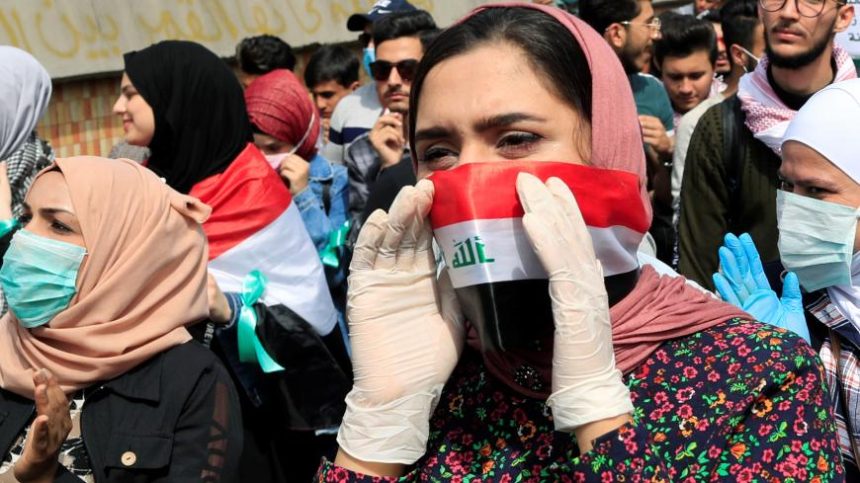
In recent years, a powerful wave of activism has surged across the Middle East, as women challenge entrenched norms and confront the patriarchal structures that have long governed their lives. In a historic movement characterized by courage and defiance, women are rejecting the antiquated ideals of modesty imposed by conservative male figures and are boldly asserting their rights to freedom, expression, and equality.
From public protests to social media campaigns, these women are galvanizing support and fostering a cultural shift that seeks not only to reshape societal attitudes but also to dismantle the oppressive systems that perpetuate gender inequality.
As they confront the prevailing prudish mentality, their collective voices are echoing a powerful message: the time for change is now. This article explores the pivotal role women are playing in this uprising, highlighting their struggles, successes, and the broader implications for the future of gender relations in the region.
Table of Contents
- Women Challenging Traditional Gender Roles in the Middle East
- The Rise of Female Activism: Stories of Courage and Resilience
- Cultural Shifts: How Women are Redefining Social Norms
- Strategies for Empowerment: Recommendations for Supporting Womens Movements
- Q&A
- To Wrap It Up
Women Challenging Traditional Gender Roles in the Middle East
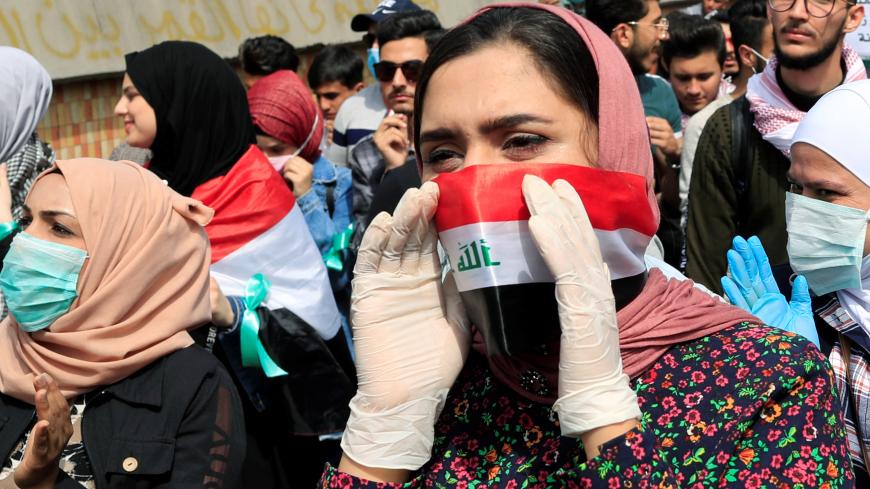
- Amal Clooney – A human rights lawyer championing justice for women.
- Hanan al-Shahri – A prominent figure in the Saudi women’s driving movement.
- Yasmin Alibhai-Brown – An author advocating for women’s rights across the region.
As the fight for gender equality intensifies, grassroots initiatives have emerged, fostering communities that support women in their pursuit of rights and representation. Activists are harnessing social media to spread their messages far and wide, amplifying the call for change. This dynamic shift is reflected in unprecedented strides, such as:
| Milestones | Impact |
|---|---|
| Lifted driving ban in Saudi Arabia | Empowerment of women’s mobility |
| Women in leadership roles | Increased female representation in politics |
| Anti-violence protests | Raising awareness about domestic abuse |
The Rise of Female Activism: Stories of Courage and Resilience
Across the Middle East, a powerful wave of female activism is disrupting longstanding societal norms and pushing back against oppressive traditions perpetuated by conservative male figures. Women are rising from the shadows, sharing their stories of resilience and defiance against a backdrop of cultural conservatism. This burgeoning movement showcases a diverse array of voices, united in their pursuit of freedom and equality. In cities from Tehran to Cairo, women are defying restrictions on their dress, engaging in grassroots organizing, and harnessing digital platforms to amplify their messages. Through social media campaigns, protests, and art, they are not only challenging patriarchal norms but also inspiring future generations in a full-scale revolt against prudish masculinity.
As these courageous women step into the spotlight, they are redefining what it means to stand up for one’s rights. Their narratives are filled with instances of determination, such as:
- Public demonstrations demanding equal rights and freedom of expression.
- Grassroots organizations forming networks that support each other’s legal battles and personal struggles.
- Artistic expressions that criticize gender inequality and celebrate female empowerment.
This revolution is altering the socio-political landscape of the region and serves as a powerful reminder of the strength that lies in unity. The stories of those who dare to challenge the status quo are becoming more pronounced, symbolizing hope and resilience for many around the globe.
Cultural Shifts: How Women are Redefining Social Norms
The changing landscape in the Middle East is witnessing an unprecedented uprising where women are challenging long-standing norms and practices enforced by conservative attitudes. The notion of female empowerment has taken on new meaning, as women boldly assert their rights and question the dictates of a patriarchal society. This cultural transformation is characterized by a diverse array of movements led by women from various backgrounds, united in their quest for autonomy and respect. Notably, public protests and social media campaigns have become platforms for raising awareness about issues such as gender equality, sexual freedom, and the right to education.
Among the pivotal figures in this revolution are young activists who are redefining what it means to be a woman in their societies. They leverage technology and social media as tools for change, connecting with a global audience while fostering local grassroots efforts. As they dismantle the traditional roles assigned to them, these women are not just challenging societal norms; they are reshaping cultural narratives and inspiring a new generation. Key focus areas include:
- Education: Advocating for equal access to educational opportunities.
- Career opportunities: Pushing for leadership roles and professional advancement.
- Body autonomy: Fighting against practices like forced marriage and against sexual harassment.
The impact of this movement is depicted in data highlighting the increase in women participating in the workforce and higher education. As shown in the table below, the percentage of women enrolled in universities has risen sharply, signaling a shift in aspirations and societal expectations:
| Year | Percentage of Women in Higher Education |
|---|---|
| 2015 | 30% |
| 2020 | 45% |
| 2023 | 60% |
As women continue to rise against centuries-old traditions, the call for a more equitable society grows stronger. Their resolve and mobilization create ripples that not only challenge the status quo but also inspire solidarity among marginalized voices throughout the region.
Strategies for Empowerment: Recommendations for Supporting Womens Movements
The women’s movements in the Middle East are gaining significant momentum, highlighting the urgent need for comprehensive strategies to further empower these initiatives. Supporting grassroots organizations and providing platforms for women’s voices can amplify their messages and foster solidarity among different groups. It’s crucial to create safe spaces where women can share their experiences and strategies, allowing for the exchange of ideas and resources. Furthermore, collaboration with local and international NGOs can enhance the visibility of these movements, ensuring they receive the support needed for effective advocacy and impact.
Additionally, addressing legal and cultural barriers is vital for sustaining these movements. Policies promoting gender equality should be championed by both government and civil society, and educational programs aiming to dismantle patriarchal norms can be integrated into community initiatives. Media representation also plays a role; promoting positive narratives about women’s leadership can change perceptions and inspire others to join the cause. Investment in technology and digital literacy can empower women to utilize social media and other platforms to organize and strategize, creating an interconnected support network that transcends geographic boundaries.
Q&A
Q&A: Women in the Middle East Leading a Revolt Against Prudish Men
Q: What is the current context of women’s movements in the Middle East?
A: In recent years, women across the Middle East have mobilized to challenge long-standing patriarchal norms and restrictions imposed by predominantly conservative male leadership. This movement has gained momentum, fueled by social media platforms, global awareness, and local activism, leading to significant protests and reforms in various countries.
Q: What specific issues are these women protesting against?
A: Women are mobilizing against a variety of issues, including gender-based violence, restrictive dress codes, limited access to public spaces, and legal inequalities. The protests often center around demands for personal freedom, bodily autonomy, and equal rights in political, economic, and social arenas.
Q: Can you provide examples of countries where this revolt is particularly notable?
A: Notable examples include Iran, where women have protested against mandatory hijab laws, and Saudi Arabia, where women are pushing for greater rights and freedoms within a traditionally strict society. Additionally, movements in Lebanon and Egypt have highlighted issues such as sexual harassment and domestic violence.
Q: How have social media platforms played a role in this movement?
A: Social media has been crucial in amplifying voices, sharing stories, and organizing protests. Hashtags and online campaigns have spread awareness both regionally and globally, allowing women from different backgrounds and nationalities to connect and support one another.
Q: What challenges do these women face in their revolt?
A: Women face significant challenges, including state violence, social ostracism, and retaliation from conservative factions. In many countries, laws stifling freedom of expression and assembly further complicate their efforts, as authorities often crack down on protests or dissenting voices.
Q: How has the international community responded to these movements?
A: The international community has largely expressed support for these movements, with various human rights organizations calling for the protection of women’s rights in the Middle East. Some countries and global leaders have condemned acts of violence against women activists, but the response often varies depending on geopolitical interests.
Q: What does the future look like for women’s rights in the Middle East?
A: The future remains uncertain but hopeful. Although progress is ongoing, systemic change is often slow. Continued advocacy, solidarity among women, and international attention may help sustain momentum for reform and greater equality in the region. Ultimately, as women take the lead, their resilience and determination may pave the way for lasting change.
Q: How can readers support these movements?
A: Readers can support these movements by staying informed, amplifying the voices of activists through social media, and advocating for women’s rights in local and international forums. Donations to reputable organizations that support women’s rights and empowerment in the Middle East can also contribute to tangible change.
To Wrap It Up
As the winds of change sweep across the Middle East, women are increasingly stepping into the forefront of a social revolution that challenges centuries-old norms shaped by patriarchal expectations. From Tunisia to Iran, these brave individuals are not merely advocating for their rights but are actively dismantling the societal structures that have long confined them. Their revolt against prudery is not just a fight for personal freedom; it is a powerful statement that resonates beyond borders, inspiring others to join the quest for equality and self-expression.
While the road ahead remains fraught with challenges, the courage displayed by these women signifies a pivotal moment in the region’s history. Their efforts serve as a reminder that the fight for women’s rights is universal, transcending cultural and geographic divides. As they rally against oppression and demand a seat at the table, the voices of Middle Eastern women are no longer whispers but resolute calls for change. The reverberations of their actions are likely to influence future generations, leading to a more equitable society where all individuals can thrive. The world watches as they continue to redefine what it means to be a woman in the Middle East, forging a path towards a more inclusive and progressive future.


